

Due to difficulties in obtaining information in advance of chapbook releases, chapbook listings for the previous month are published at the end of each month. This post contains information about poetry chapbooks that we know about published during March 2026.
Information, including product descriptions, is provided by the publisher and not a critical judgment. If we cover the book on this site, links will be included.
Stanchion Books
irl, Danielle McMahon

irl is a chapbook cast in amber, a series of poems with a nostalgic bent, framed by clips of AOL Instant Messenger conversations. It is a love story and it is also not. It’s about kinship, communication, coming of age, and finding the right person at the right time. The poems of irl are tender without ever being sentimental and capture the agony and ecstasy of being seen as a young person.
b l u s h
Nonmagic, Ari J. Lisner
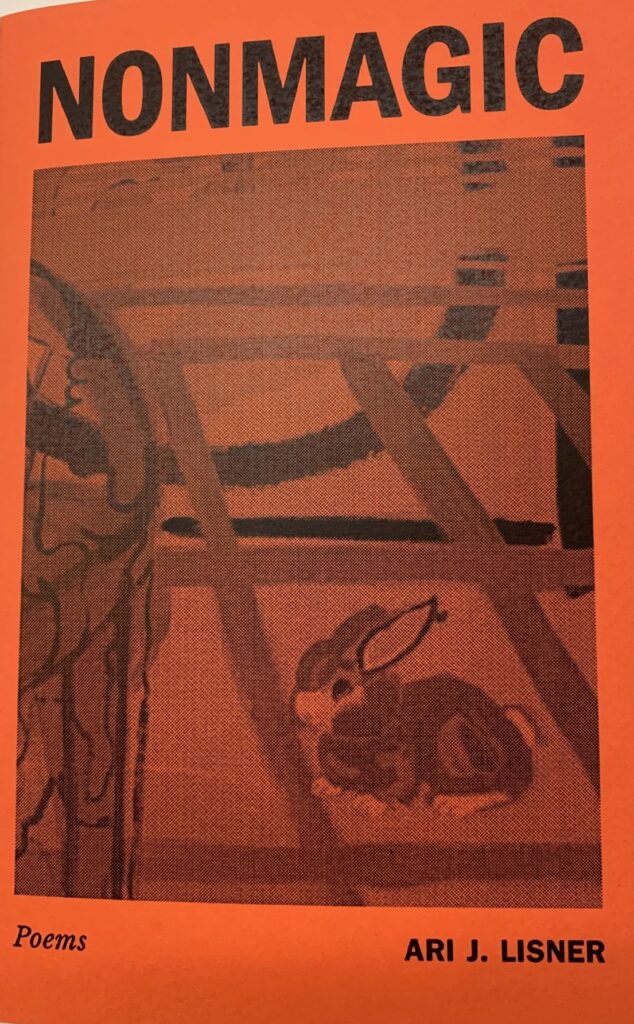
Nonmagic is just like the movies: full of real and imagined romance. Themes include film, reciprocity, obsession, McDonald’s breakfast, NYC vs. LA, queer temporality, and purse sizes.
Ari J. Lisner is a writer, researcher, and film producer in New York City.
Dancing Girl Press
Atropa Belladonna Coursing Through My Veins, Sudikshaa Amar
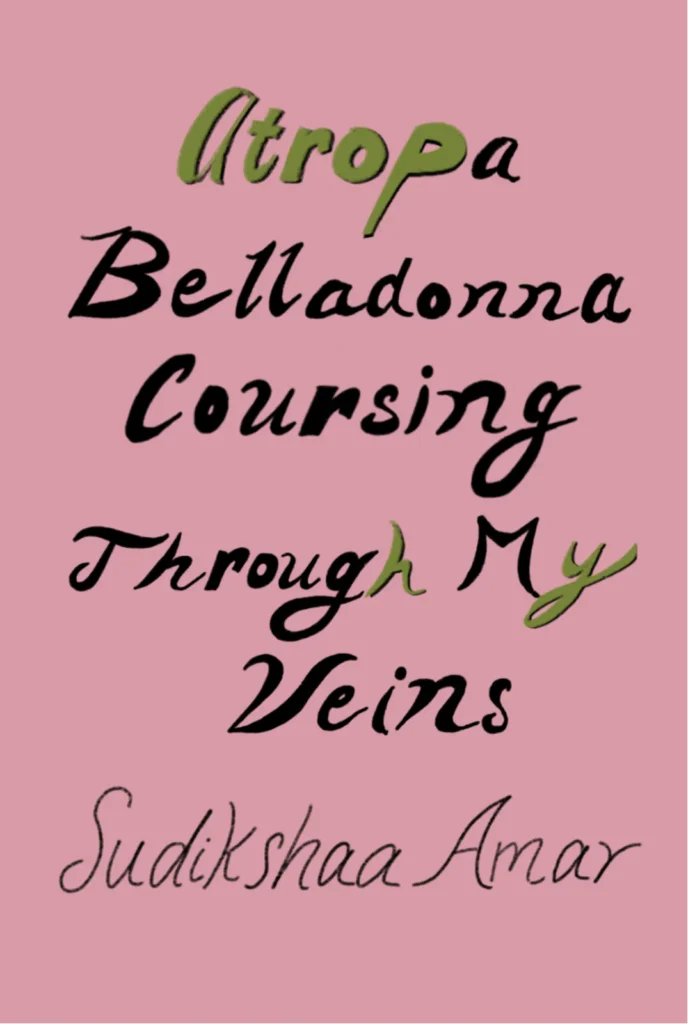
Atropa Belladonna Coursing Through My Veins is a chapbook chronicling and reckoning with life as a physically disabled young person. These poems allow for healing and catharsis in an inherently ableist and colonialist environment like Silicon Valley, which seems to only focus on the medical model of disability. Drawing on surrealism and shamanic chants, Amar moves through boundaries of South Asian diaspora whilst in a young disabled body and elements of the rise of fascism in the US and India. She draws on the connections between ableist micro-aggressions to the systemic marginalization and othering of disabled bodies through authoritarian forces.
Black Lawrence Press
Sky Tongued Back With Light, Sébastien Luc Butler
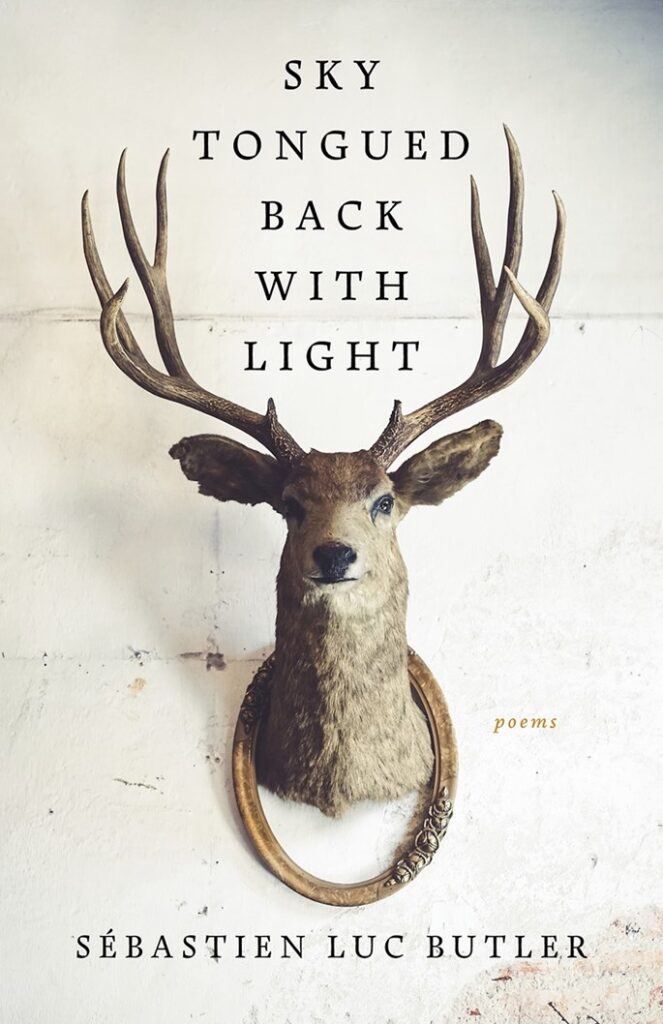
Snared between dream-like myth and harsh recollections of growing up, Sky Tongued Back with Light probes the sites of violence, beauty, and transformation that punctuate a boy’s childhood and adolescence in the rural, northern Midwest.
Sifting memory’s scattered fragments to interrogate grief, gender, and the fragility of family, Sébastien Luc Butler’s poems navigate landscapes both physical and spiritual. Steeped in the voice of myth and images of the otherworldly, these poems move through personal and collective silences towards self-actualization and love. Examining a culture that teaches violence to the self as the basis for violence against others, this collection holds still those moments where the corporal and incorporeal converge with lasting impact.
Broadstone Books
Stray Hunter’s Bullet, Lance Le Grys
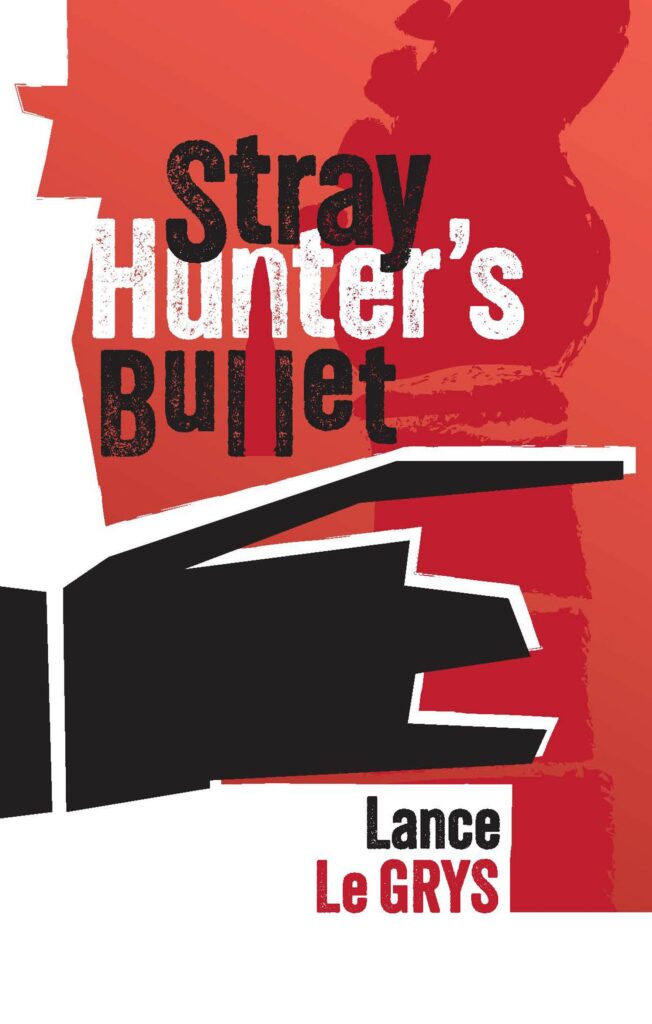
Lance Le Grys’s Stray Hunter’s Bullet challenges not just the meaning of the narrative but, in Beckett’s tradition, the act of storytelling itself where what is of most interest to the speaker is “what never happened.” Fragmented, ironic, and irreverent at times, LeGrys’s poems mix equal doses of tragedy and comedy because at the heart of this work are the random forces beyond the individual’s control and the story that’s doomed from the beginning: “I have tried to tell / the story of Gabriel / but there is no story / just a death.” Gabriel, aptly named for the messenger angel, is blessed with musical talents that come from the realm of mystery (“whoever heard him loved it / but none ever knew what it was / they thought it was him”), but his gift is misunderstood and incongruous with how he is being perceived by others, including the speaker (“Gabriel looked like the yard man / which he was”). The story of Gabriel is marked by failures, hesitations, and repetitions, and as the poet re-imagines the anti-heroic existence of the artist, he also poses deep philosophical questions about the nature of art, life, and above all, love itself (“yes three of us did / loved him / for no reason / for if there is a reason / there is no love / but love for the reason”). Indeed, those who love Gabriel must also deal with the cruelty of fate in which they are all entangled, though it all happens amid the mystery of art and the abundance and wildness of life. —Lucyna Prostko, author of Infinite Beginnings
Papillote Press
Renewal, Irvin Desir
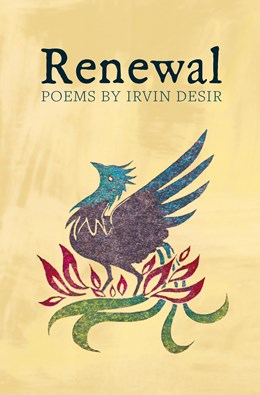
Much admired by Nobel laureate Derek Walcott, the poetry of the St Lucian poet Irvin Desir (1954-2024) is published here for the first time. Often visionary and elliptical, these poems include images such as “fireflies heave for heaven” and “you filled this cluttered room like a handful of clove.” Published in only a few anthologies during his life, this posthumous collection at last brings to our attention a voice too long unknown.
Ethel Press
Unbecoming, Suzette Bishop
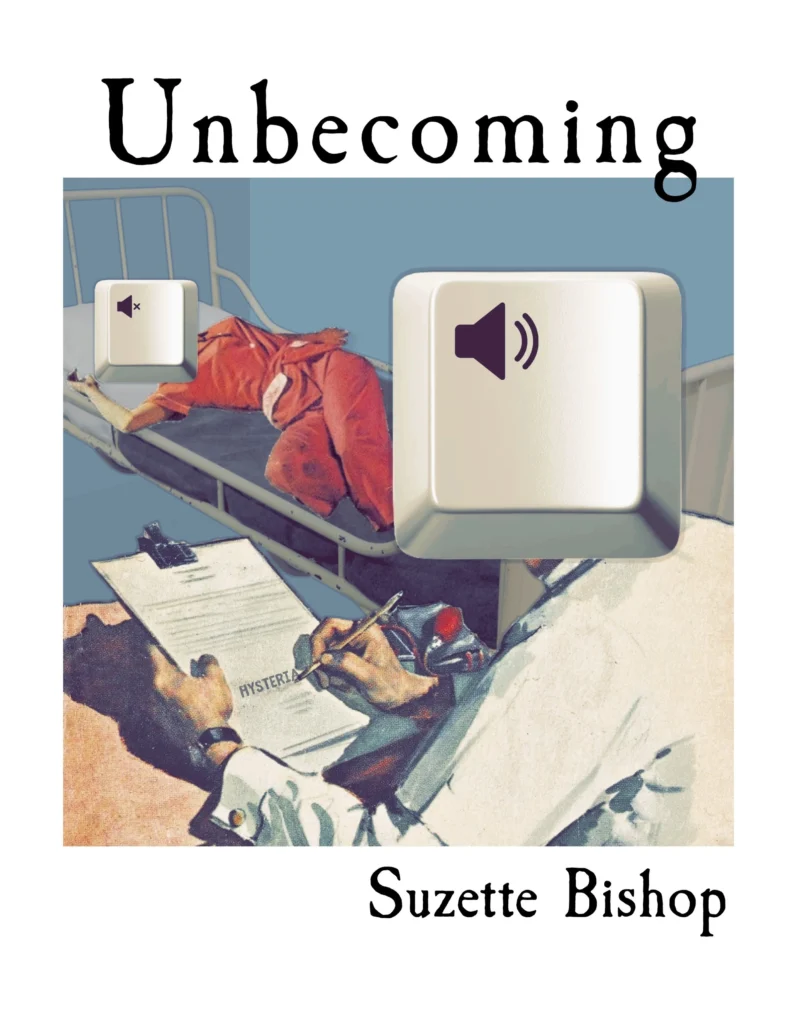
Unbecoming, a long collage poem, discloses the physical and mental toll of ME/CFS and medical trauma, a distorted Sleeping Beauty state. Unbecoming powerfully underscores the need for this disabling condition to be seen.
Suzette Bishop has published three poetry books and three chapbooks, most recently, Eyes of Some Robbers.
TRP: The University Press of SHSU
Living Fossils, Loren Maria Guay
Living Fossils explores nature’s most bizarre creatures in a search for queer and trans survival in the face of extinction. Reckoning lyrically with gender, identity, and otherness, these poems mingle vibrant curiosity for the world we live in with luminous fury for its many forms of violence and ownership.
Living Fossils invites readers into an unnatural history museum where coelacanths, horseshoe crabs, goblin sharks, and other curious creatures illuminate a narrative of queer and trans survival. Born in Paraguay and adopted to the United States, Guay navigates complex experiences of gender, commodification, and otherness through fish that order at gas station diners, toads that do magic tricks, and dinosaur skeletons that glow. Drawing together playfully ekphrastic prose poems and lyric investigations of violence, this collection wanders the exhibit halls of U.S. empire and emerges with a portrait of what it means to keep living in the face of extinction.
Through the Lens: Ekphrastic Poems, Caridad Moro-Gronlier
In Through the Lens, Caridad Moro-Gronlier redefines ekphrasis for a visually saturated world, expanding her poetic gaze beyond the image to include the objects, spaces, texts, and moments that shape our cultural and personal landscapes. These poems do more than describe—they interrogate, interpret, and reflect, treating each subject as a living, dynamic presence. Moro-Gronlier invites the reader to slow down, look again, and reconsider how meaning is made. This genre-defying collection dismantles the frame and reframes the familiar, challenging not only what we perceive, but the very structures that teach us how—and what—it means to see.
Bottlecap Press
Were-Jag, Suzette Bishop
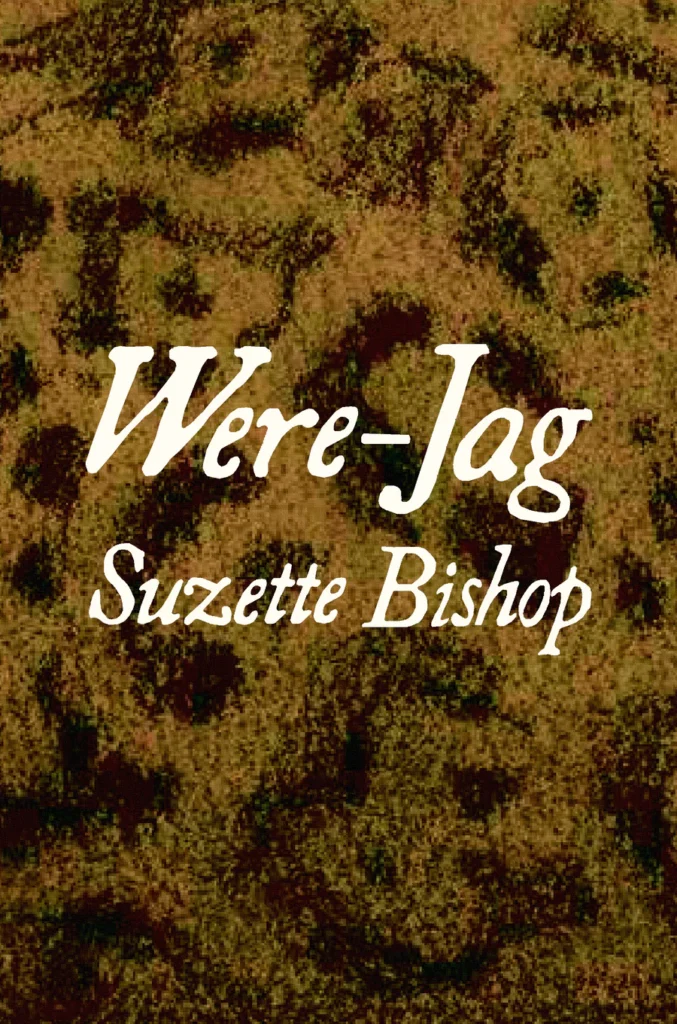
Were-Jag by Suzette Bishop intones, “Were-Jaguar/Where-Jaguar/Wear-Jaguar.” This is where we are: what was, what’s gone, the mask fashion creates. What does it mean to make commodities of ourselves? Three voices entwine in this long collage poem, a journaling voice, a vintage women’s magazine voice, and an encyclopedic voice describing the jaguar and its sacred place, “An eater of hearts” who doesn’t care about being pleasing; “They can roar but not purr.” The speaker of the journal sections mulls over the meaning of her memories, dreams, messy relationships, and female family members who can’t maintain the façades expected of them.
Why I Sleep with the Lights On, Janet Lynn Gerges
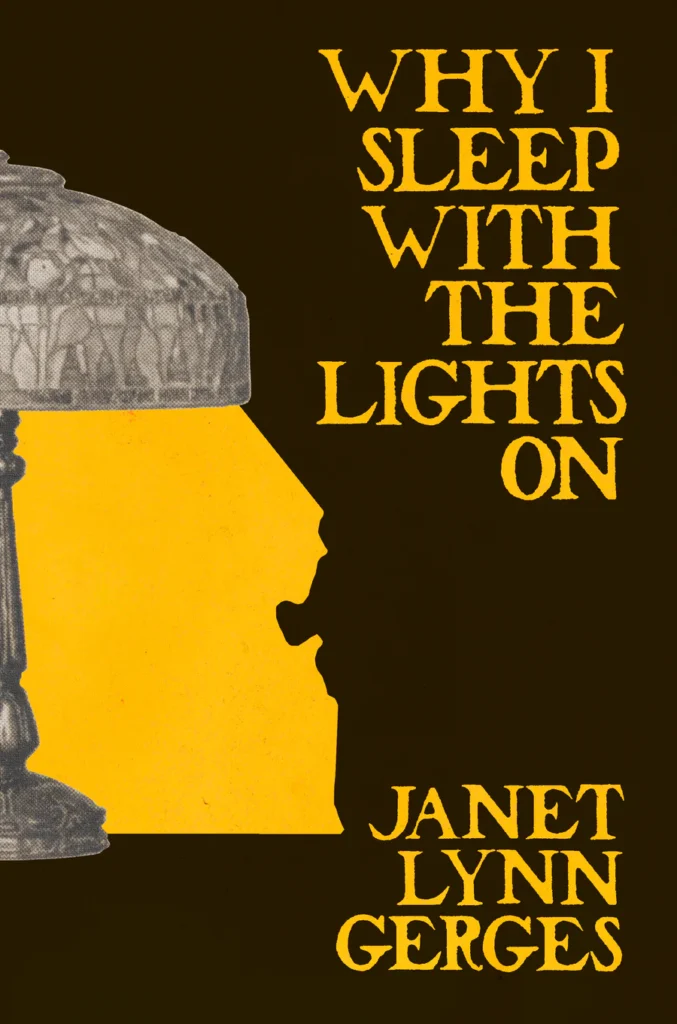
Why I Sleep with the Lights On is in defense of nightmares, hallucinations, fears, and, most importantly, sleeping with the lights on. This chapbook faces nightmare fuel head-on.
In this work, Janet Lynn Gerges practices the art of prose poetry mixed with surrealist images to confuse readers of what’s real and what’s a dream. Our waking life is just as real as our unconscious mind.
Sun and Moon Wired Together, Karen Pierce Gonzalez
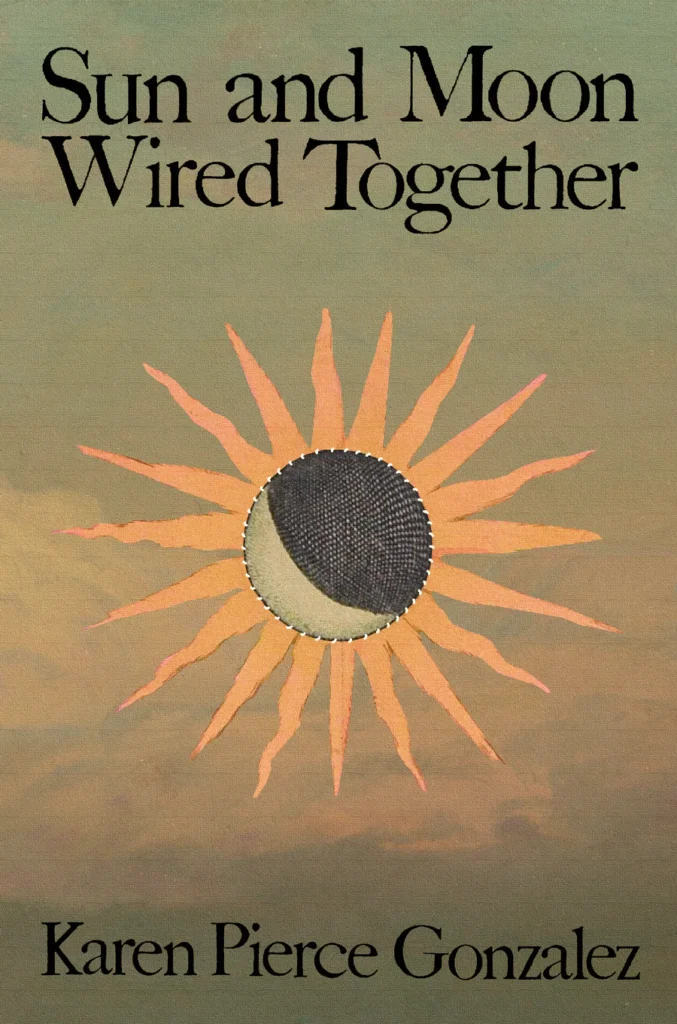
In Sun and Moon Wired Together, Karen Pierce Gonzalez charts the immediate and imagistic movements of life both day and night. This poetic reel of cinematic snapshots reflects our instincts to survive and grow in everyday moments of joy, loss, love, and resilience.
The intricacies of time and nuances of nature in this collection are in fluid motion, guiding you with all senses: seeing, smelling, tasting, hearing, and feeling. In the bold yet delicate precision of Sun and Moon Wired Together Karen unveils the wonders of diving deeply into the secrets of familiar places so often kept silent.
Heritage Garden, Vita Duva
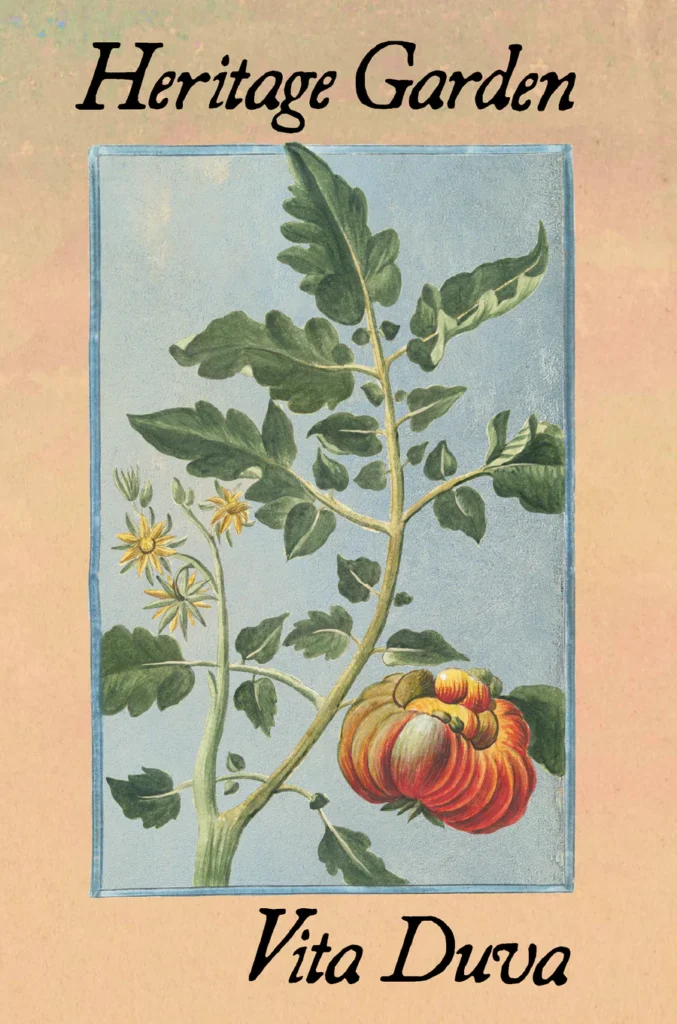
Heritage Garden is a lyrical journey through the tangled roots of lineage and the emotional, spiritual and generational patterns that come with it. In this moving collection of poetry, the author explores how personal experiences – both tender and turbulent – cultivate the person we become.
With a voice that is profound and reflective, each poem serves as a seed planted in the soil of the past, blossoming into moments of complexity, transformation and beauty.
How to Make an Espresso Martini, Eileen Toomey
Structured around the three coffee beans dropped into an espresso martini (Health, Wealth, Happiness), this debut chapbook is part haibun, part ghazal, pantoum and prose poem, retaining its working-class ethos and humor throughout. This collection moves between forms the way memory moves between years.
Toomey writes from inside the body — painting a room at dawn while her husband sleeps upstairs, riding a boat on Lake Superior in the aftermath of immunotherapy, sitting on a lifeguard stand with an empty nip of Jim Beam Apple. Her poems know that grief and joy are not opposites but neighbors, and that the only honest way to write about love is to put it in the same sentence as fear. How to Make an Espresso Martini is a debut that arrives fully formed — clear-eyed and large-hearted.
Winter Wheat, Barbara Brooks
Barbara Brooks writes of the passing of her parents beginning with questions she should have asked her parents, then moving on to her mother’s and father’s death. Interspersed are memories of interactions with her parents, bearing a physical resemblance to her mother, and working with her father on projects for her horses. She remembers the many axioms that her father told her while taking on her own projects. At times, she uses the natural world in contrast to the events in their lives and their death. She concludes with sharing how she has taken on some of the attributes of her parents.
I’m Not Hungry, Faith Thiebaud
I’m Not Hungry is a raw, emotional, and blunt reflection on life. Thiebaud writes unapologetically about human struggles, and does not shy away from sensitive subjects. The overarching theme of this collection is hunger, both literal and metaphorical. In the literal sense, Thiebaud dives into eating disorders, and struggles with anorexia. These poems depict real and vulnerable moments that anyone struggling with anorexia can find relatable. And, in a metaphorical sense, these poems depict a speaker who has lost all motivation, and hunger, for life.
Suite Dolomiti, O. Alan Weltzien
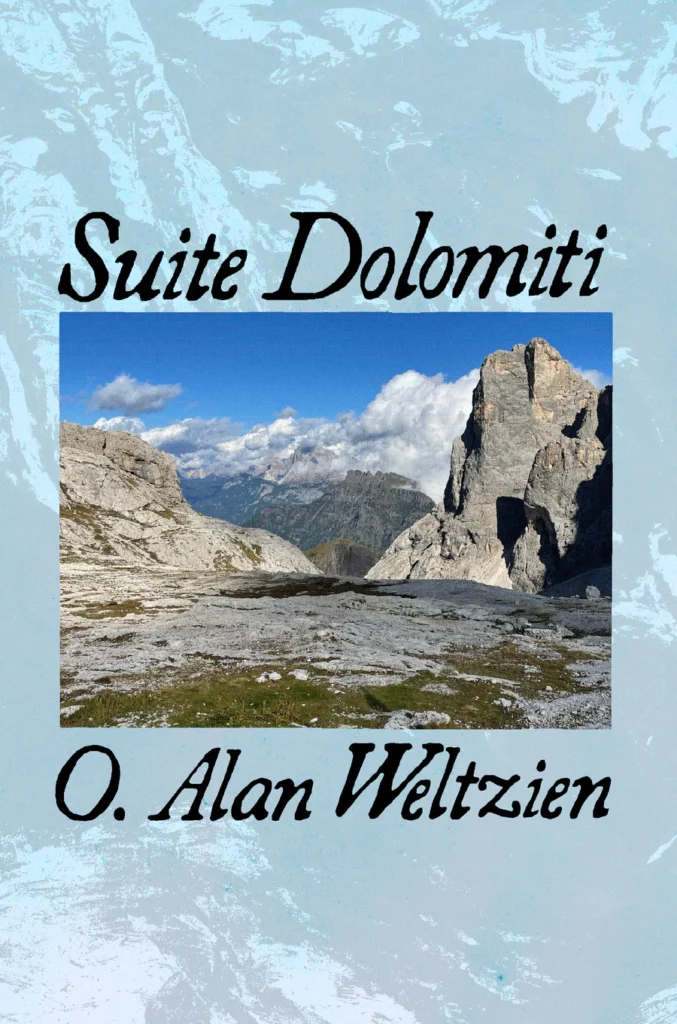
Suite Dolomiti distills Weltzien’s experience of the Dolomites based on a September trek, with three friends, on the Alta Via II, a challenging route just over 100 miles. Weltzien, a mountains fanatic all his life, tries to come to terms with this famous range in northeastern Italy—a UNESCO World Heritage Site (2009). There is no more beautiful a range, in his international experience, than the Dolomites.
Finishing Line Press
Nothing Left to Fix, January Pearson

Nothing Left to Fix traces a father’s battle with Valley Fever and its devastating complications. Through poems that move from diagnosis to death to grief, this collection explores the inadequacy of medical intervention, the devotion of a wife who cares for her husband through his seven-year illness, and the small mercies found in flecks of sea glass and birdsong in a field of snow. These poems meditate on fragility and resilience, discovering the redemptive beauty in bones that know how to mend and skin that grows over wounds. Using images from the natural world, Nothing Left to Fix follows the determined tenderness of caregiving and the hope–like “pinpricks of light” in the night sky–that love transcends the failure of the body.
City of Silver and Gold, Miles Liss
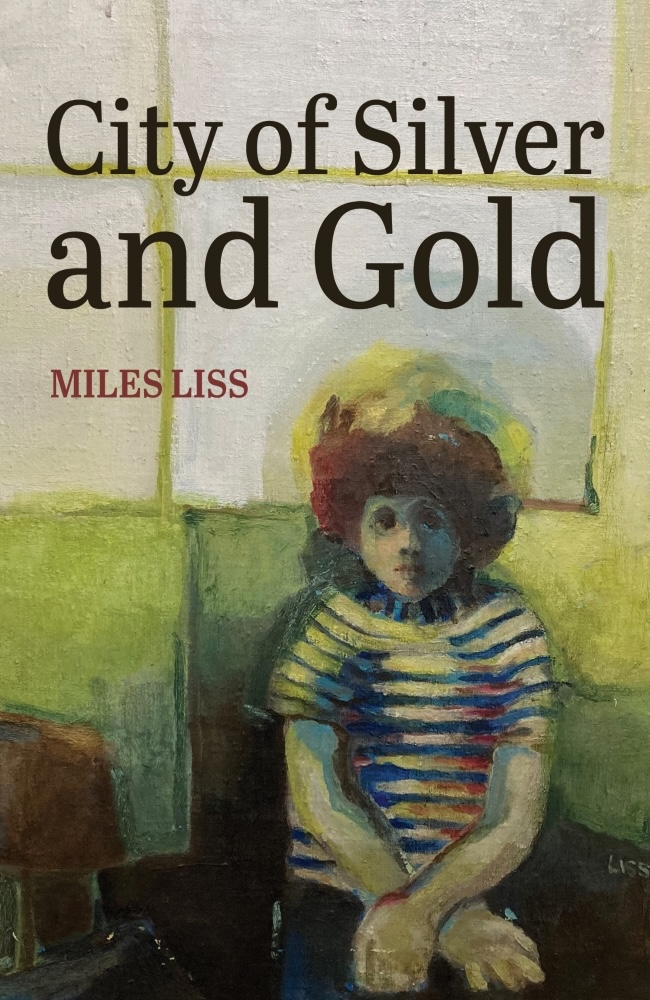
After the events of October 7th, it seemed like the Holy Land was anything but. City of Silver and Gold explores these events against the backdrop of the ongoing conflict in the Middle East. It does not shy away from the violence that’s been committed by both sides under the banner of righteousness. Rather, it throws the reader directly into the maelstrom. City of Silver and Gold is a message, a prayer, and a meditation on the direction we must travel if we want to preserve a place in this world for future generations.
Lately, Charles S. Cobean
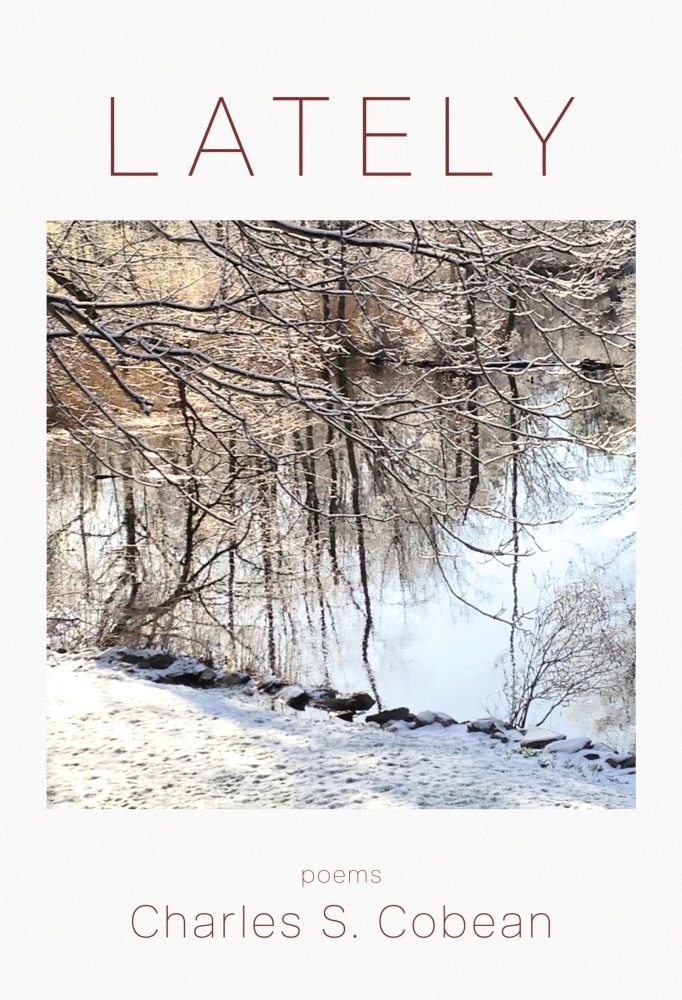
Lately contends with the issues an elongating life affords us, if we’re lucky enough to have one, and does so with a bluntness and thoughtfulness and a certain amount of wit. When love fades and our dead haunt us, when the body reveals its follies and the scars add up, when “hope’s canteen runs dry” and God turns His head, where do we find joy? And what of the mysterious border that separates life and death, those of us approaching on one side, our passports open, and those on the nether side whom we love and have lost, how do we keep from giving up to grief? More importantly, how do we reconcile our yearning for certainty with the knowledge that we can never really be certain? Lately takes us on a journey, a kind of search party, hunting for hope and mercy and the surprising light that drives us inward, toward it.
Poems for a Broken Marriage Man, Leslie Archibald
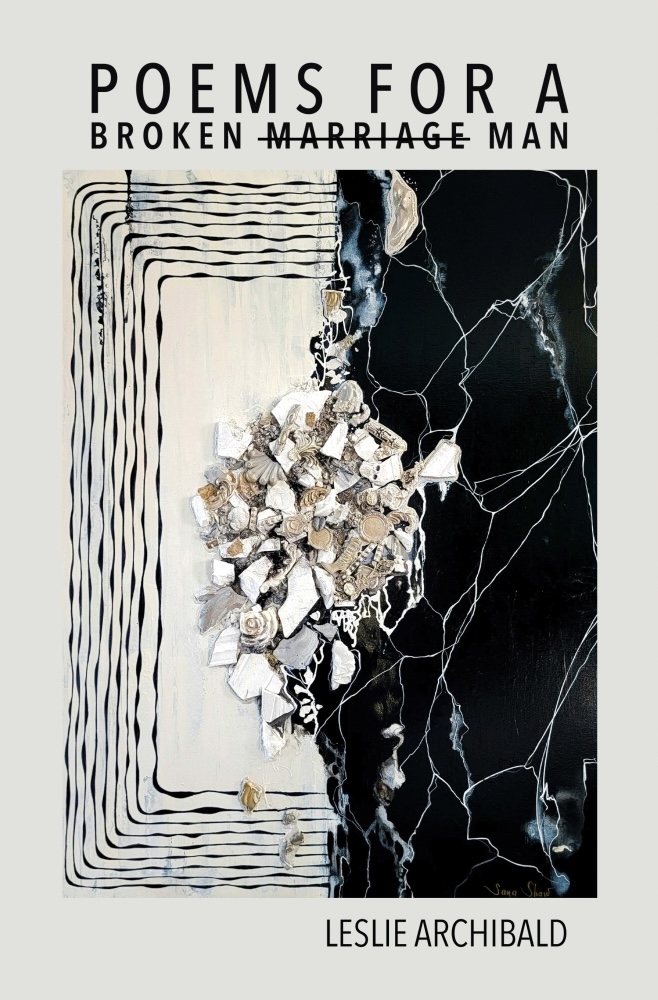
Poems for a Broken Marriage Man is a poetry collection reflecting on the dissolution of one woman’s relationship in the wake of her spouse’s addictions and the emotional abuse that stemmed from those addictions.
These poems from author Leslie Archibald’s debut collection are mini memoirs told in images and metaphor as a way of healing and letting go of the fear, shame, and guilt that comes with leaving. Through these poems comes an understanding that we are not meant to save others and sometimes you must leave to save yourself and restore hope.
Between Sunsets, Yvette J. Green
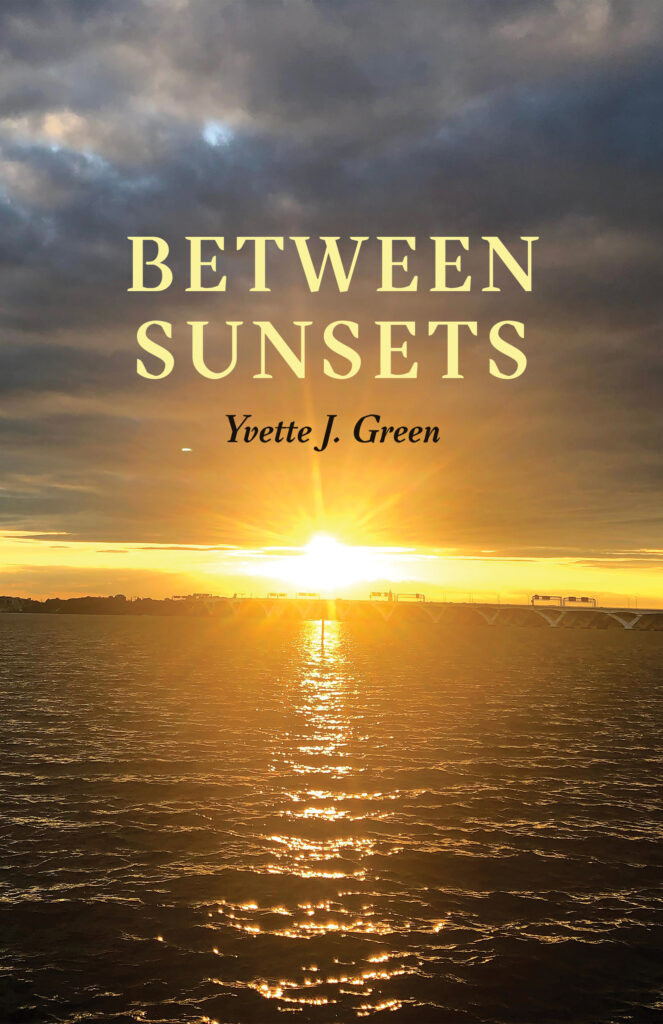
Between Sunsets memorializes transitions of seasons, relationships, and lives. This hybrid collection of poetry and prose speaks to those everyday moments of growth and navigating life during those in between moments of loss.
Originally from Nashville, TN, Yvette J. Green has made the Washington, D.C. metro area home. Yvette is a graduate of Xavier University of Louisiana (BA in English) and University of Maryland, College Park (MA in English).
A Time of Waiting, Charlotte Melin
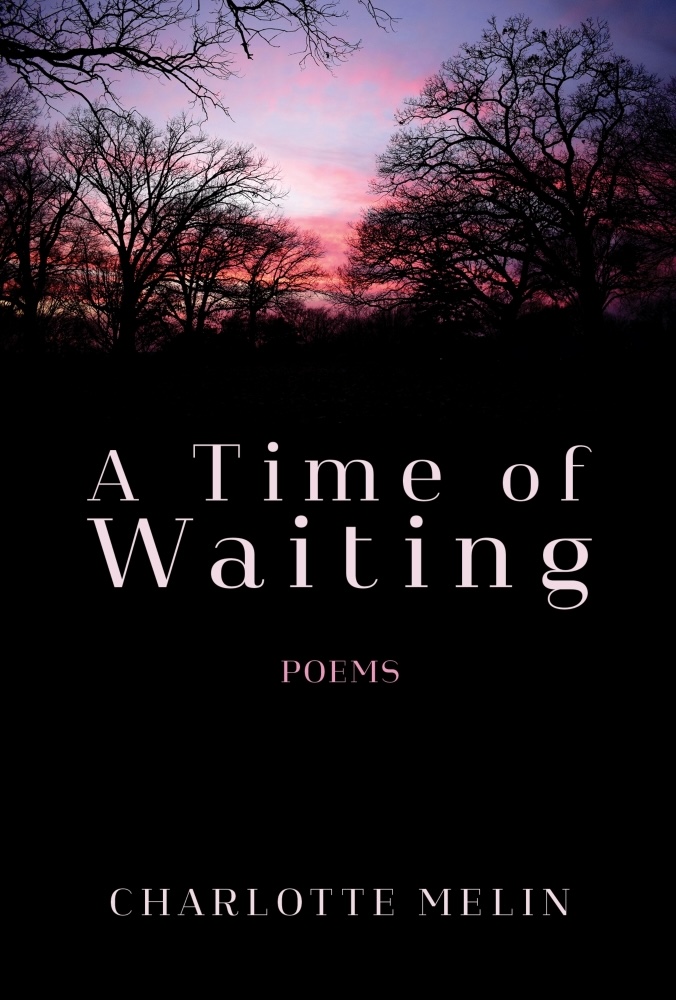
Twilight stillness, long drives across the Midwest, migrating flocks, the redolent smells of basil and peaches become occasions in this collection for noticing seasonal transitions, environmental change, and human precarity. Those crisscrossing perceptions also give voice to hopes for common ground. Written mostly in 2024 and shaped in the weeks following the election, this cycle of poems moves from January to Midsummer and the December solstice. It asks implicitly whether poetry can be a kind of resistance that bears witness to the past and present by thinking about how life’s small moments ground us in cyclical time even as we wait on the cusp of an uncertain future.
The Third Remembrance, Jayne Brown
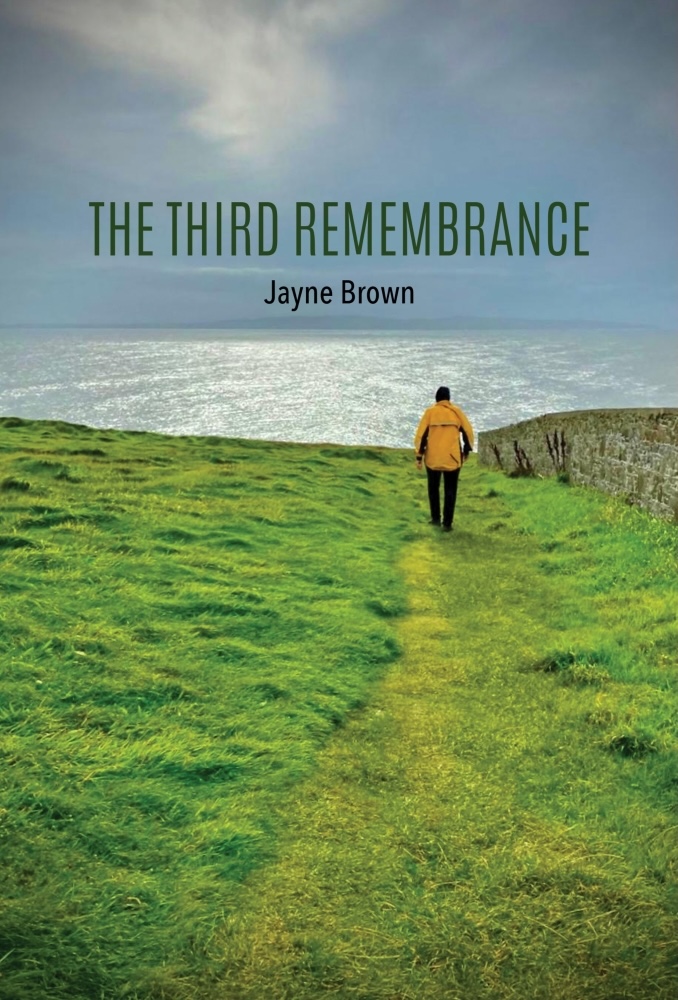
The poems in The Third Remembrance encourage readers to contemplate of our aging and inevitable death, and to know that we are actually happier for being present with it. The poems are full of tenderness and humor even in the midst of loss, with odes to falling, riffs on reaching for nouns and the possibility of “senior moments that don’t end.” As the author follows poems of her parents’ last years with confronting her own aging body, she explores the reality that she and her fellow baby boomers are now “out here on the edge of the cliff” with “no one in front to take the brunt.”
ask river, Sara McAulay
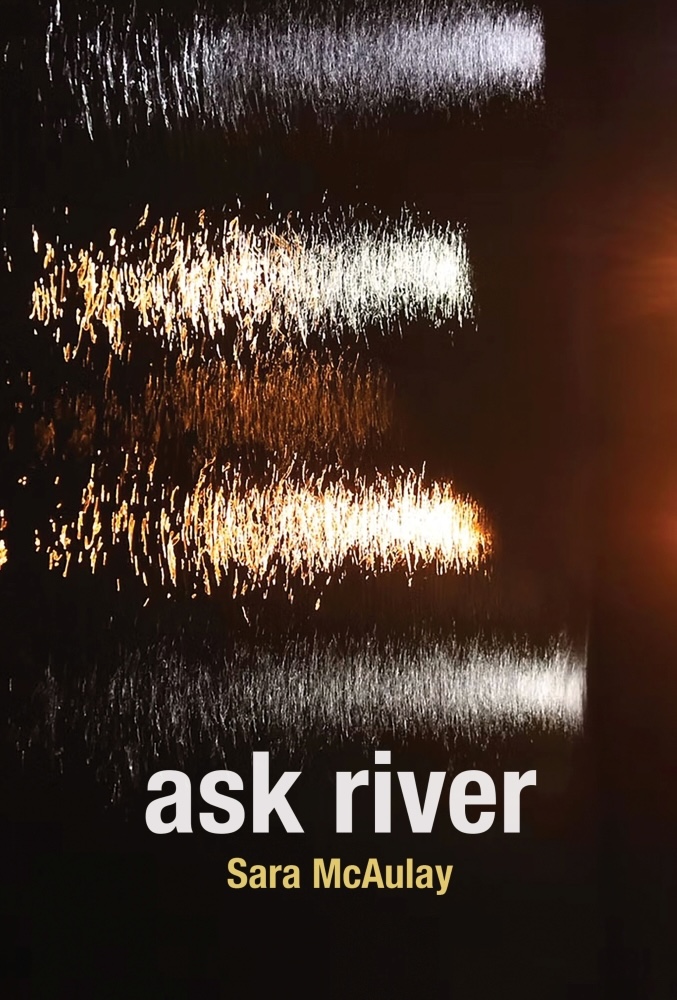
The poems in Ask River explore themes of perspective, memory and resilience; the complex and sometimes troublesome relationships humans have with the natural world, as well as with each other. With perspectives ranging from childhood to elderhood, they examine how boundaries are often blurred, and history lies buried deep in the earth, or in plain sight.
Paddling the Sweet Spot Between Life and Death, Laura E. Garrard

Paddling the Sweet Spot Between Life and Death illuminates living in the “narrow exception of movement” during a time of acute uncertainty, a rare blood cancer diagnosis and treatment of multiple myeloma. Through lyricism and vivid narratives, readers journey with the poet and her body through grief, surrender and recovery to plant their hands in earth, swim with dolphins, and run with the salmon. Laura E. Garrard’s free-spoken style and vulnerable honesty invite readers into her desperation, determination, entreaty and joy. She asks, “What is a human without honor?” Her poignant observations demonstrate how we live and die, simultaneously, and that the present moment is the sweet spot of survival. Garrard’s poetry asks us to destigmatize death and disease in a culture that reveres youth and health, so that we all may live fully. As cancer permeates our communities like never before, this collection is a gift of renewal.
Fluent in Silence, Jayne Shore
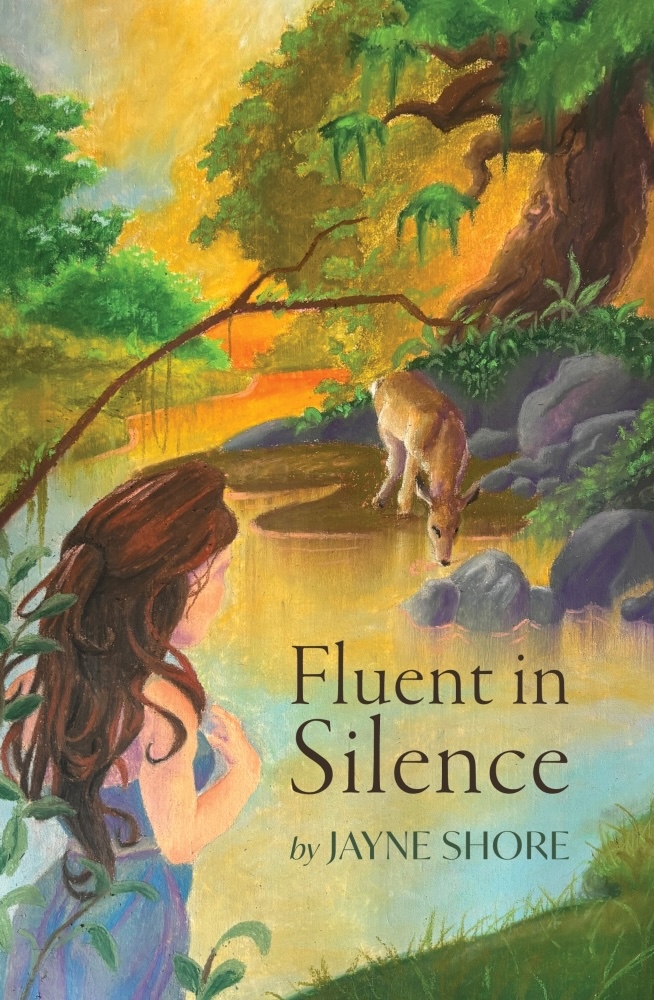
Beginning with a wagon’s tumultuous crossing through the Rocky Mountains, Fluent in Silence startles readers awake to the surreal and unspoken. This debut chapbook is Jayne Shore’s reckoning with languages lost, a mother tongue abandoned, and her grandmother’s sudden decline, as she works to revise the scripts she’s inherited about womanhood. “Once the map was wrong / about me, I could be anything,” Shore writes, “even lonely in the night, / even safe in the dark.”
LOAD-BEARING WALLS, Linda B. Myers
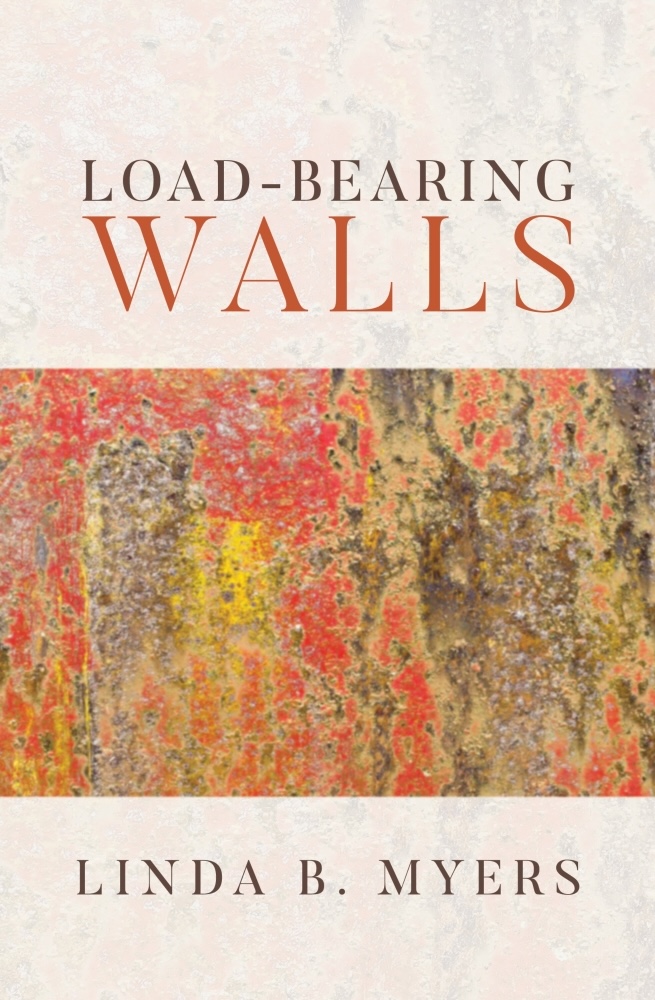
Load-Bearing Walls pays homage to the people and places in life that support us, for better or worse. The twenty-three poems in this collection tackle the tough stuff of life, loss, illness, and aging. It speaks plainly with humor, tenderness, or anger … and always a big dose of truth. The author, a self-described part of the Pacific Northwest old growth, reaches out a hand to help readers on their own journeys.
Wishbones, Elena Montes
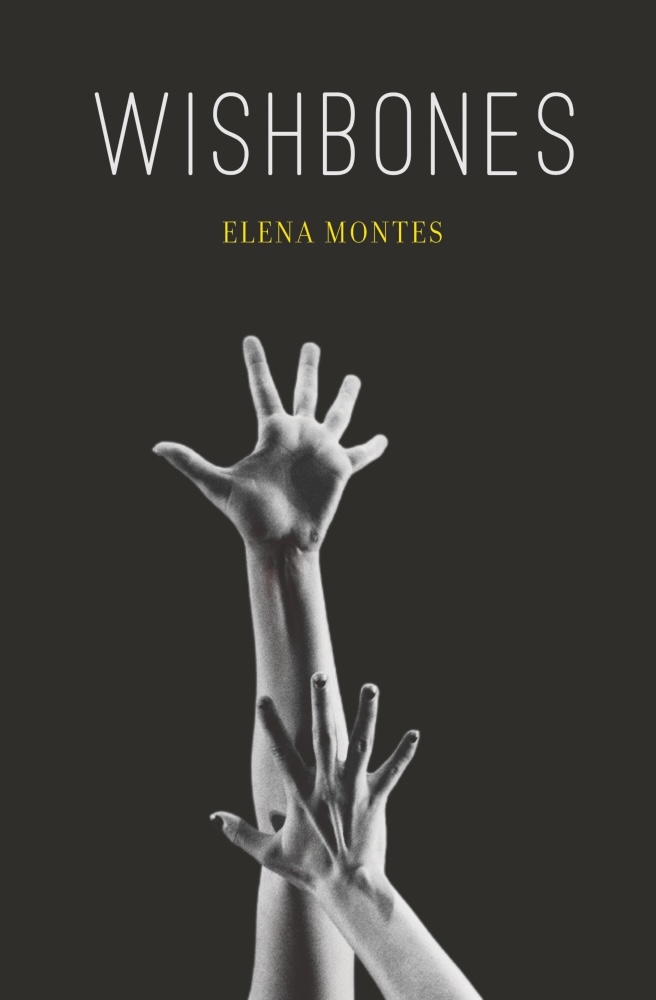
In her debut chapbook, Wishbones, Elena Montes weaves together fragments of memories and photographs, reconstructing a childhood shaped by the experience of being the product of two distinct cultures, tongues, and economic realities. Against the backdrop of her biological father’s battle with alcoholism and her parents’ separation, Elena journeys from adolescence to adulthood, exploring sex, love, and friendship as she searches for belonging and self-understanding.
Waning into Winter, Martha Sherick Shen
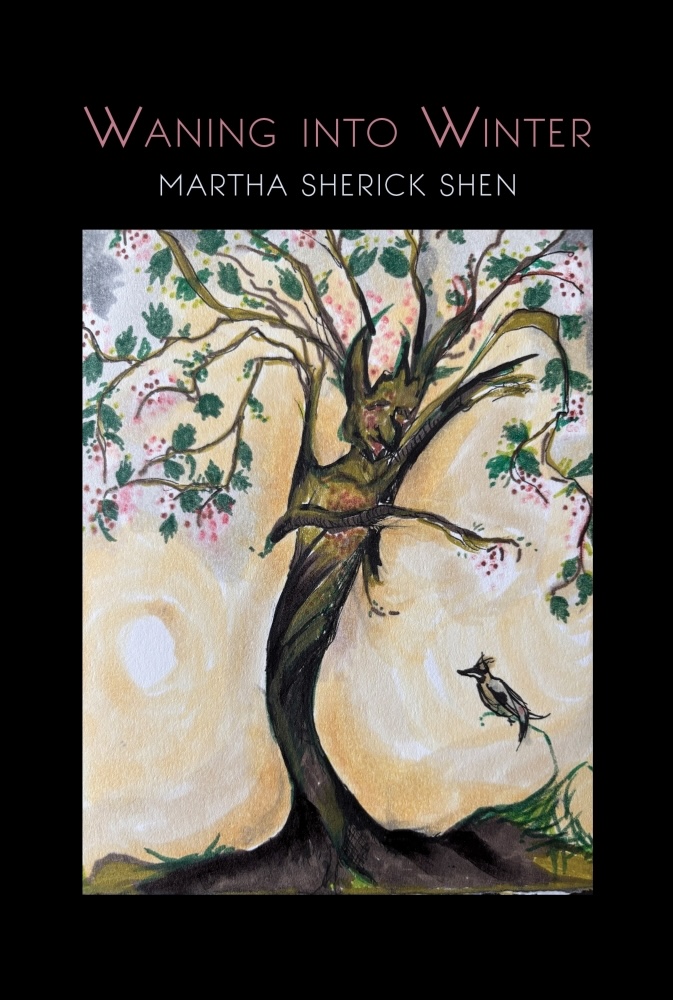
Martha Sherick Shen is native to Iowa. She has written poetry privately throughout her life. After raising her daughters and divorcing, she earned a degree in Zoology from Iowa State University within a specialized program for Neuroscience and Physiological Psychology. She graduated with honors in 2003. During these years, Martha also met, became friends with, and later married the man who would bring her a fairytale life, Dr. Sheldon Shen. Sheldon passed away suddenly in 2019. Martha now lives in Des Moines, Iowa with her daughter Abra’s family and her French Bulldog, Judah.
Hallways, Allen Strous
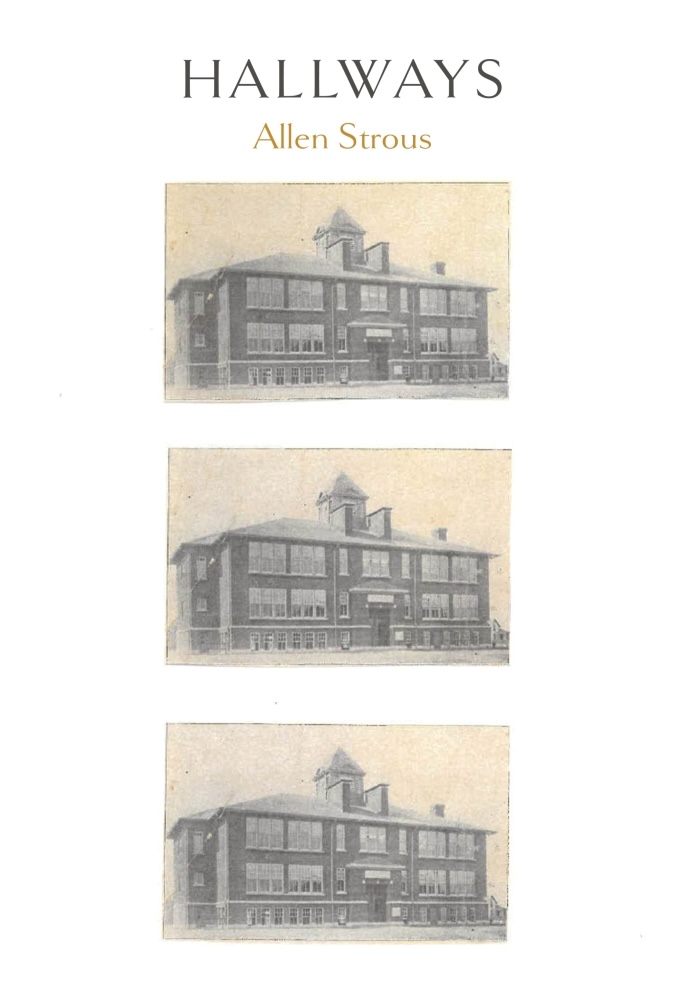
Poems about the Midwest, and a Midwest in the mind, of the mind. Some usual domestic scenes, landscapes: the look of things. And into the look of things, and through. Here, and there. Down and in, widening, opening up.
Allen Strous is the author of Tired (The Backwaters Press). His poetry chapbook Of This Ground is part of the four-author collection The Fifth Voice (Toadlily Press).
Body of Work, Rowe Carenen
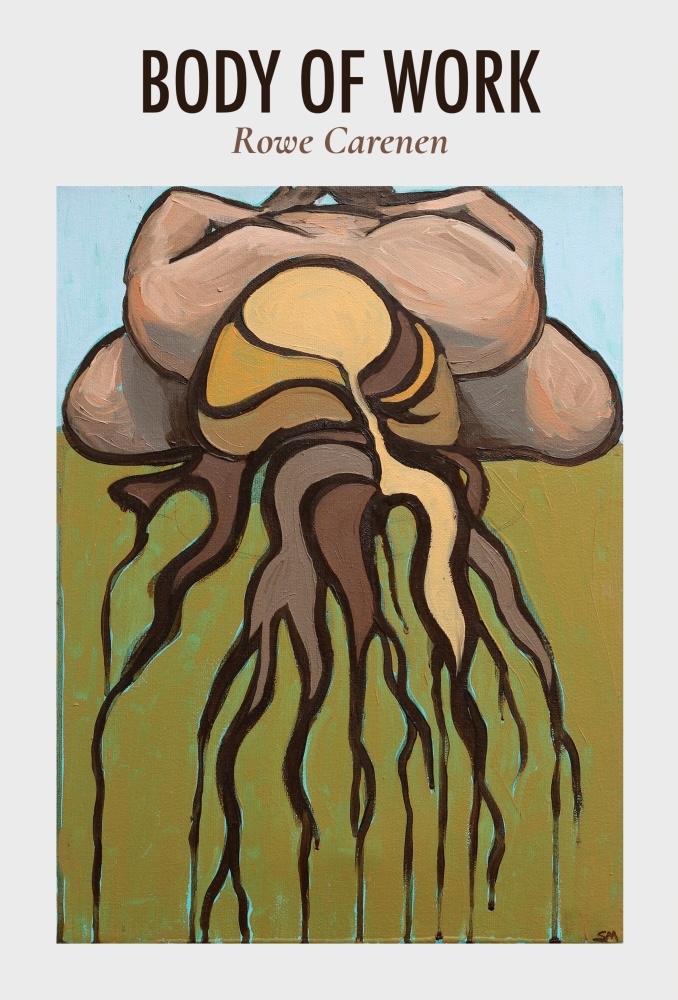
Body of Work reflects the frustrations and joys of a fortysomething woman in a world that feels very much on fire almost all of the time. From the exhaustion of battling for bodily autonomy, let alone body acceptance, to the simple love of a rice-to-curry ratio and a faux fireplace, this collection examines the fights and fancies born out of the 2016/2024 elections and a never-ending pandemic.
Keep Your Damn Seat, Caroline Kane Kenna
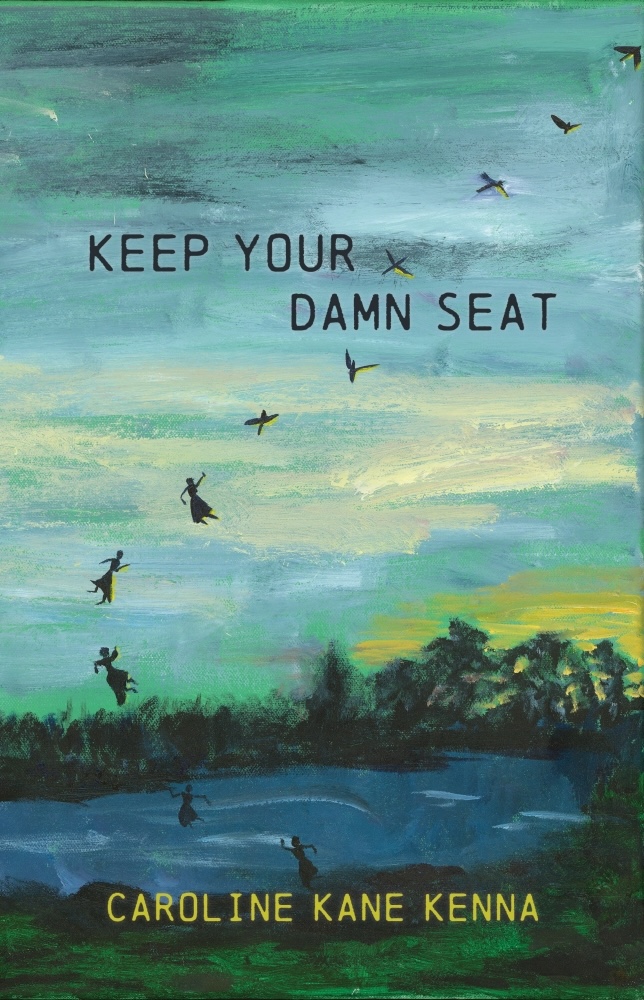
Keep Your Damn Seat, is a lucky poet’s dance with mountains and memories. The journey of a reporter turned stay-at-home Mom and trailing spouse. Journeys she and her husband chose to better feed three sons and the one that is still unfolding. The chapbook moves forward and backward like stories at dinner with parents who loved words and taught their children to use them well. Her poems exploring life with a journalist’s eye for detail, her crone-age spice, twist of sass, glint of grandmother worry and hope. This dream around the campfire and the next, yet-to-be developed.
HE DANCES IN HIS WHEELCHAIR, Charles Becker
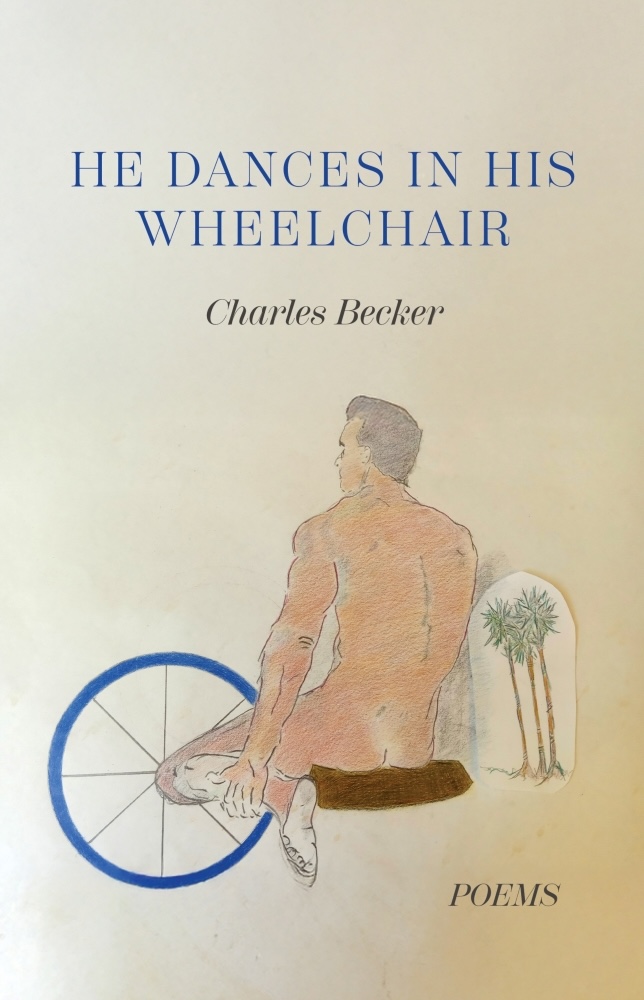
He Dances in His Wheelchair, is a concentrically designed and embracingly choreographed chapbook of love poems about a life partner. It offers everyone a guide for the journey of living with and loving someone who is differently abled, proudly Black, and wildly health challenged. Each word in this collection of poems means to be accessible, personal, and inclusive.
Life Travels, Tina Harrach Denetclaw
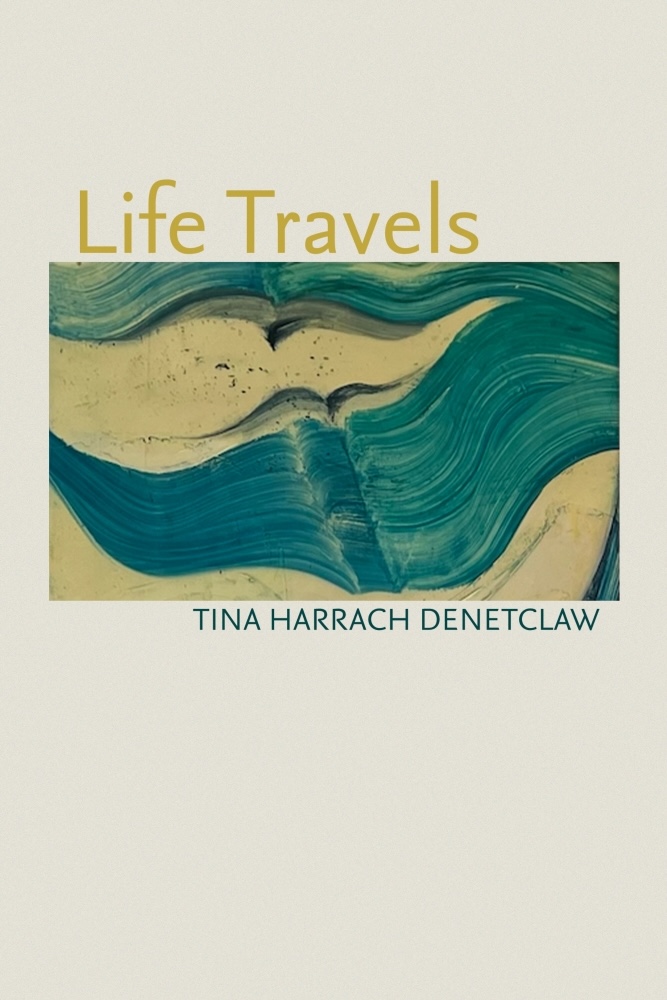
Written at a time when calm courage was the only path forward for the author and her husband, this collection of poems explores the underpinnings of a life prepared to embrace purpose in the face of adversity; to sense self and place when the moorings are unlashed; to gather the small moments; to see beauty in the arc of time and the remarkable people who fill one’s life.
Don’t see a poetry chapbook published between 3/1 and 3/31 here? Contact us to let us know!
Contents
Chapbook Poem: Slow Burn by Evan Wang
“The concept of personifying a slow burn deeply resonated with who I thought myself to be—a slow burn, love flickering around me.” Read the featured Chapbook Poem of the Month for April 2026, “Slow Burn” by Evan Wang, along with a few words from the poet.
Book Excerpt: She wants shimmering scales by Nicole Alston Zdeb
“The nexus of the erotic, the social, and the body felt relevant to what I was experiencing at the end of the 20th Century. There are glimmers of personal lore as well…” Read the featured Excerpt Poem of the Month for April 2026, “She wants shimmering scales” from The End of Welcome by Nicole Alston Zdeb, along with a few words from the poet.
“I wanted to explore how time was registered not only by the calendar and clock, but also in the various utilitarian tasks of my mother’s life.” Read three poems by Ron Mohring, our first biweekly poet of the Spring 2026 issue, along with a few words about “Fuse.”
Three Poems by Andrew Pelham-Burn
“Children in these circumstances are deprived of love at a formative stage and learn to immediately behave like adults without the benefit of the learning path of childhood.” Read three poems by Andrew Pelham-Burn, our second biweekly poet of the Spring 2026 issue, along with a few words about “Conkers.”
A Conversation with John deSouza
“Language is a powerful tool and can do great harm both to ourselves and to those most close to us when used cruelly or selfishly.” Poet John deSouza discusses his chapbook, This Rough Magic, his creative process, and the influence of John Ashbery in this interview with editor Danielle McMahon.
Chapbook Poem: from Stray Hunter’s Bullet by Lance Le Grys
“…what interested me was the idea of a character who didn’t do what he was capable of, not because of external circumstances, but because of either a lack of will or a seemingly perverse one.” Read the featured Chapbook Poem of the Month for May 2026, from Stray Hunter’s Bullet by Lance Le Grys, along with a few words from the poet.
Book Excerpt: Love does not exist by Maria Giesbrecht
“This poem was inspired by a dream… I had this strange feeling when I woke up that it meant something more and started writing a poem to see if anything would reveal itself to me.” Read the featured Excerpt Poem of the Month for May 2026, “Love does not exist” from A Little Feral by Maria Giesbrecht, along with a few words from the poet.
“After a loss in my family, I discovered one grieves for both the living who hide their pain and for the dead who sleep in silence.” Read two poems by Patricia Wallace, our third biweekly poet of the Spring 2026 issue, along with a few words about “Fox.”
May ’26: New Staff, New Calls, New(ish) Name
Editor Aiden Hunt provides information about changes to PCR’s name, format, and staff in this editor’s note, which also contains links to our Spring calls for submissions.
“I kept thinking about how easily adults learn to stop seeing what’s right in front of them, especially when they’re somewhere between one country and another, neither arriving nor leaving.” Read four poems by Nivara Lune, our fourth biweekly poet of the Spring 2026 issue, along with a few words about “Notes Toward an Elsewhere.”
The Lines of Landscape: on The Catastrophes by Marie Scarles
“Scarles’ choice of title points away from place, and toward the book’s deeper and more powerful offering: a changed way of seeing, one of the hallmarks of any successful poetics.” Read the full chapbook review by contributing editor, D.W. Baker.
“Every time I plucked a few of the little orange sun sugars to take inside, their garden smell lingered on my fingers. It was almost enough to just sit with that scent…” Read three poems by Kait Quinn, our fifth biweekly poet of the Spring 2026 issue, along with a few words about “The Tomato.”
Chapbook Poem: Superbloom by Joyce Schmid
“That June, flowers bloomed everywhere in Northern California—as if to honor her, to celebrate her life. This poem is an attempt to accept the fact that she is really gone.” Read the featured Chapbook Poem of the Month for June 2026, from Superbloom by Joyce Schmid, along with a few words from the poet.
Book Excerpt: The Well by Robin Becker
“Allowing flickering sentiments and images to play against one another, I replicated one form of consciousness. A surprising aspect of the poem: the sudden appearance of figures of government.” Read the featured Excerpt Poem of the Month for June 2026, “The Well” from Midsummer Count by Robin Becker, along with a few words from the poet.
“Like a lot of my poems, this one reaches toward something impossibly out of grasp. But … maybe that’s the power of a poem, to momentarily touch something out of our reach.” Read three poems by Scott Weaver, our sixth and final biweekly poet of the Spring 2026 issue, along with a few words about “Annotating The Inferno.”
A Conversation with Abby Minor
“[A] long time ago I realized, and more or less accepted, that I would commune with most of my poet teachers and comrades via their work, not in person. And my work is how I talk to them.” Poet Abby Minor discusses her chapbook, Infinity Ballot, her Jewish-Appalachian heritage, and her convictions in this interview with new contributor, Julie Swarstad Johnson.