Due to difficulties in obtaining information in advance of chapbook releases, chapbook listings for the previous month are published at the end of each month. This post contains information about poetry chapbooks that we know about published during September 2026.
Information, including product descriptions, is provided by the publisher and not a critical judgment. If we cover the book on this site, links will be included.
Moonstone Arts Center
Self-Portrait with LSD & Mirror, M. Ezra Zhang
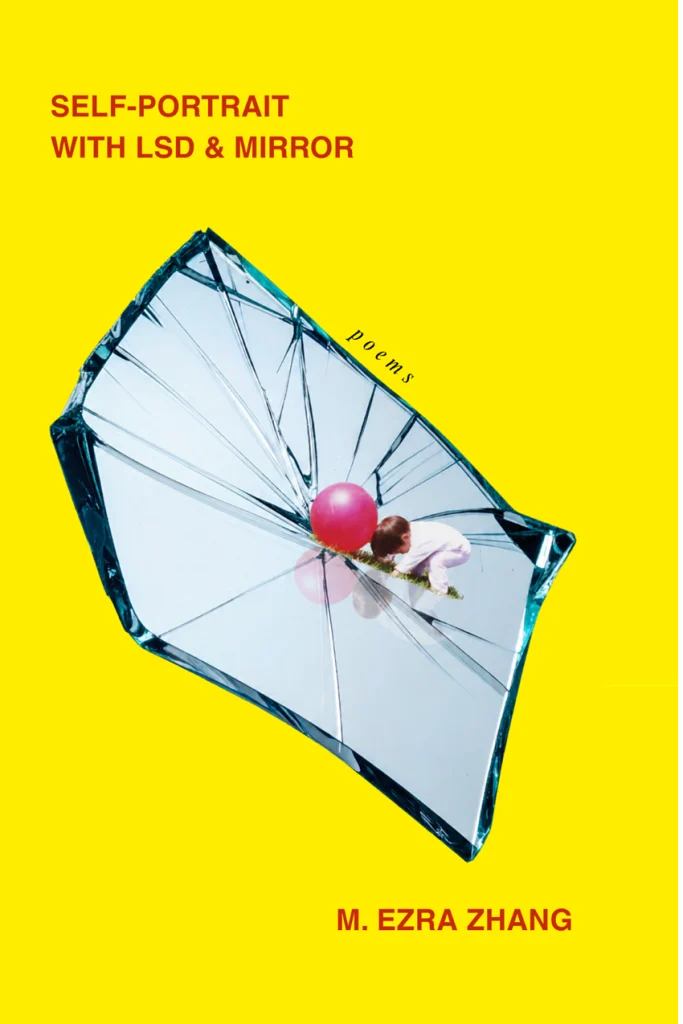
“Self-Portrait with LSD & Mirror is a relentless kaleidoscope. Moving through bedrooms and beloveds, a local park shifting seasons, East Village bars and California coastal highways, Zhang’s speaker is vulnerable in their seeking and brave in their desire—wishing always to locate the moment when they might share in the fractaled possibility of their world with someone else. Zhang is careful in their trust: of cyclicality, of always returning, of the unlimited possibility of their own language. I was floored, weeping, cherishing this marvelous chapbook of poems. What a gift to see myself in the mirror, right next to them, and what a gift for all of us to peer, just briefly, into these tender self-portraits.” –Noel Yu-Jen
Picador UK
A Christmas Ghost Story, Carol Ann Duffy
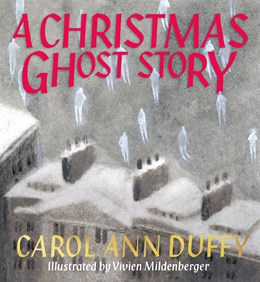
It’s Christmas Eve in London’s financial district. A billionaire in his penthouse suite is visited by the ghost of Sarah Whitehead, the grief-stricken nun who has haunted the Bank of England for hundreds of years. What follows is a spellbinding journey through the night and around the globe as the ghost shows the billionaire the human suffering on which his excessive wealth depends. A gorgeously illustrated tale for our times with all the magic of Dickens, reminding us that love is the greatest treasure of all.
Bull City Press
La Chiflada, Nadia Mota
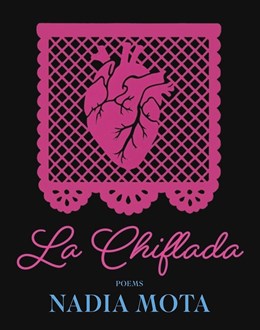
Streetlight glow and swinging screen doors, lipstick smudge and secondhand shoes— in her debut collection, Nadia Mota offers the reader glimpses of grief filtered through the lens of girlhood. With sharp-edged iconography, La Chiflada spends time looking at Chicana identity, lineage, and home. Repetition and refrain are a persistent heartbeat that connects these poems and highlights how lived pain mingles with pain that is passed down, how each loss today magnifies the last.
Lost Penny Press
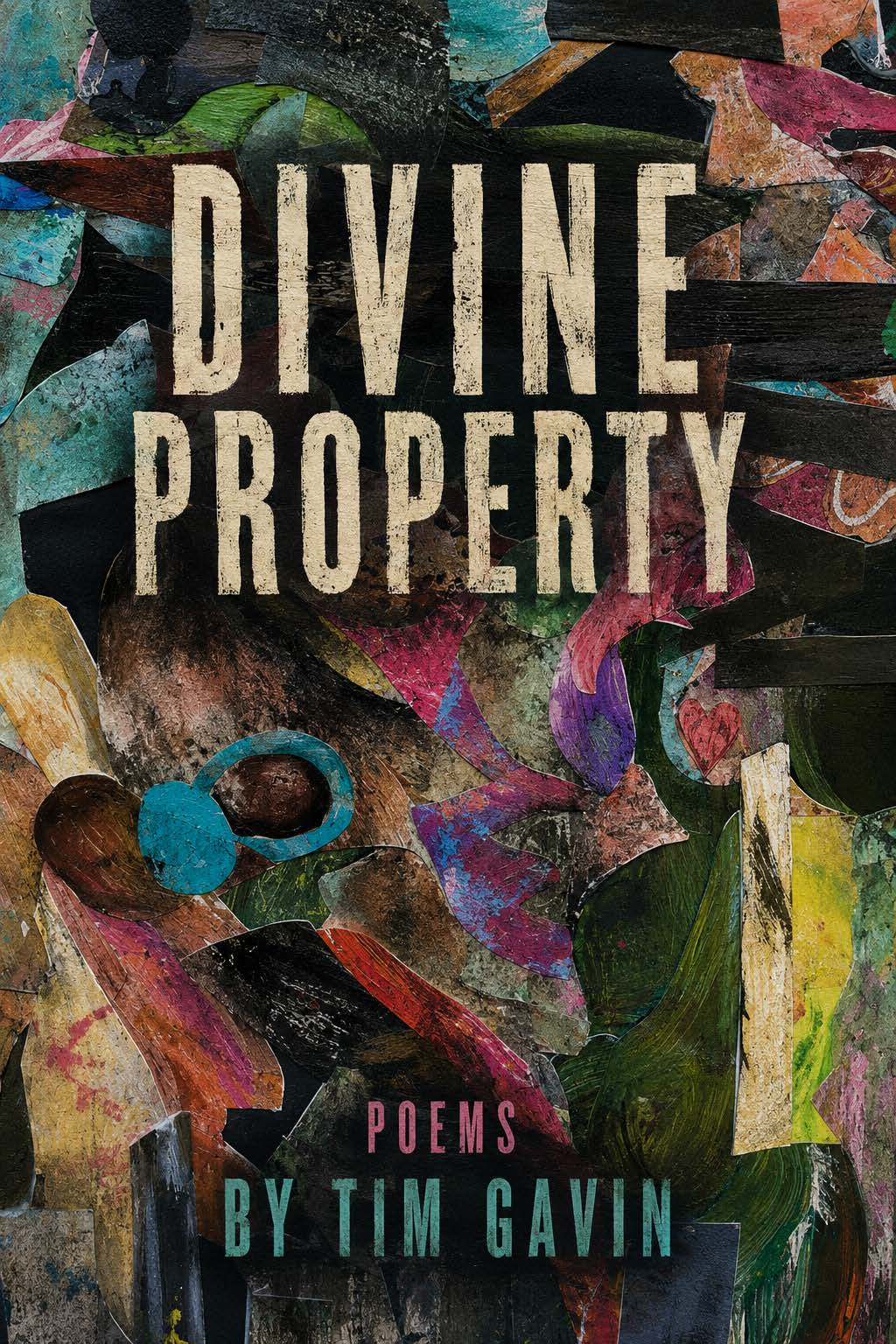
Divine Property, Tim Gavin
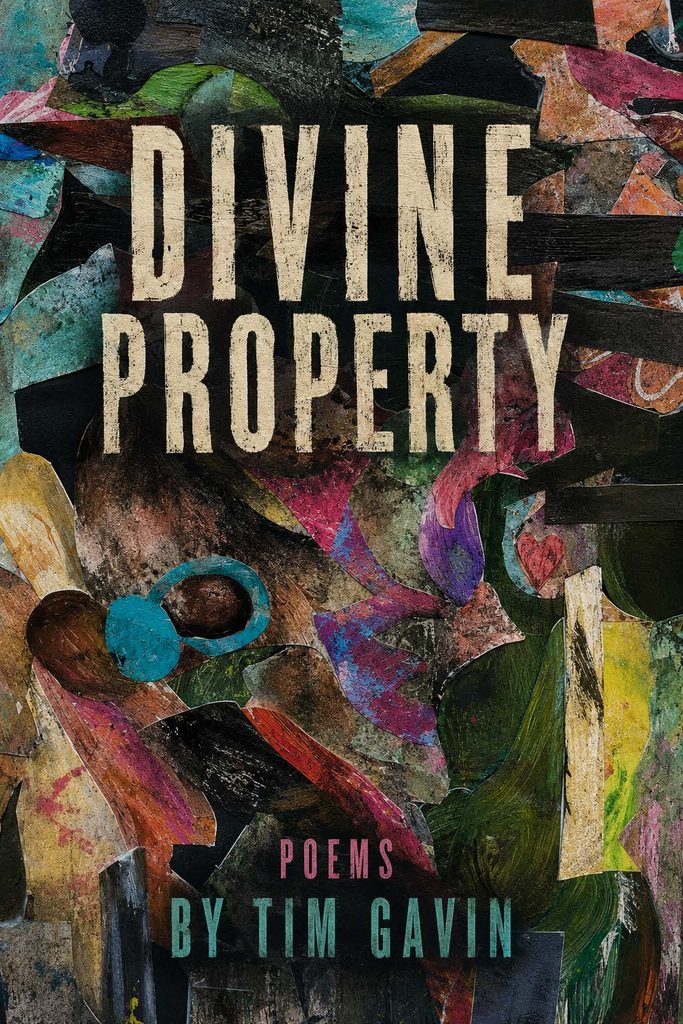
There is a humble and hard-earned wisdom evident within Divine Property: whether confronting the harsh reality of urban poverty or pondering our connection to the animal kingdom, Gavin’s poems embody the perspective of one who endeavors to “shake (his) gloom and walk toward the longest/ day.” This deep engagement with the world requires poems that move back and forth between memory and the present moment, offering descriptive passages of lived experience alongside allegorical explorations of ancient tales, all with an eye to what is marvelous within our everyday lives. While Gavin’s work is deeply philosophical, his poems are chiseled from direct and approachable language, wrought by someone who has learned that the answers to life’s biggest questions might involve “growing satisfied/ with what’s simple, what holds.”
Grayson Books
On Call, Still, Sumit Parikh
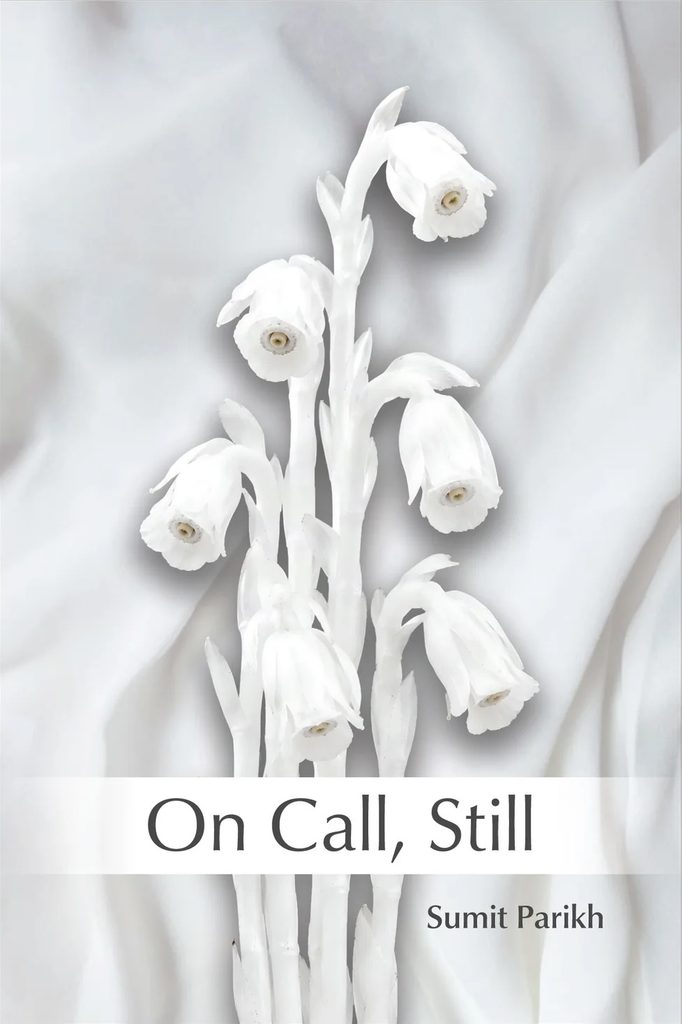
For twenty-five years Sumit Parikh has been the one who walks in at 3 a.m. and says the sentence that no parent survives intact. On Call, Still is what he wrote down. Twenty-three short poems. None of them look away.
Author proceeds from this chapbook are donated to Lake Erie Ink to support youth literacy, creative writing, workshops, and mentorship programs across greater Cleveland.
Gasher Press
Flesh Memory, Shelby Newsom
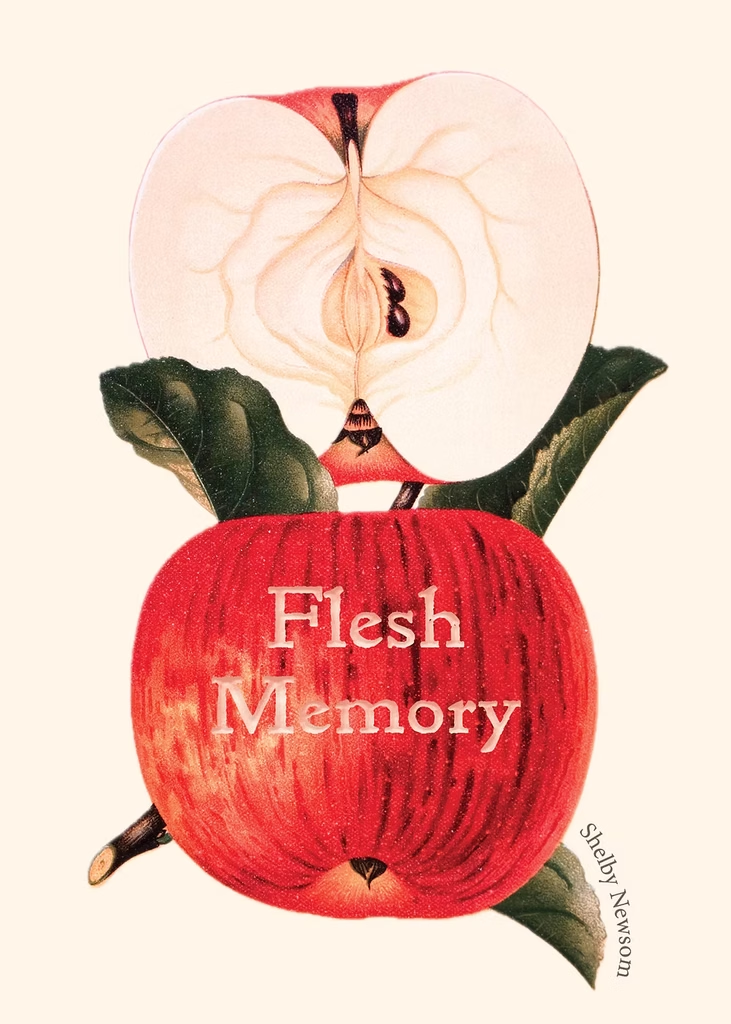
The body is its own landscape within Shelby Newsom’s new poetry chapbook Flesh Memory. Between nature and self, boundaries collapse. Newsom’s poems hold physicality as their subject, and awaken through imagery: a barbed stinger, silk stockings, or half-eaten fruit. Choking on the rind of an orange can test one’s stability. Poison ivy becomes a threatening force in a relationship. One can break through inhibitions by participating in the wild: “the river’s cool slip / is a sensation soaked in me.” From the Rocky Mountains to the Texas Hill Country, to Rust Belt towns, the speaker seeks clarity in other people, but finds it only in the quietude of the natural landscape. Newsom populates this lush new collection with high leaps of lyric, distinctive challenges to form, and considerations of what it means to be both queer and agentic in the contemporary moment.
Unsolicited Press
Catalog of Labors, Christy Prahl
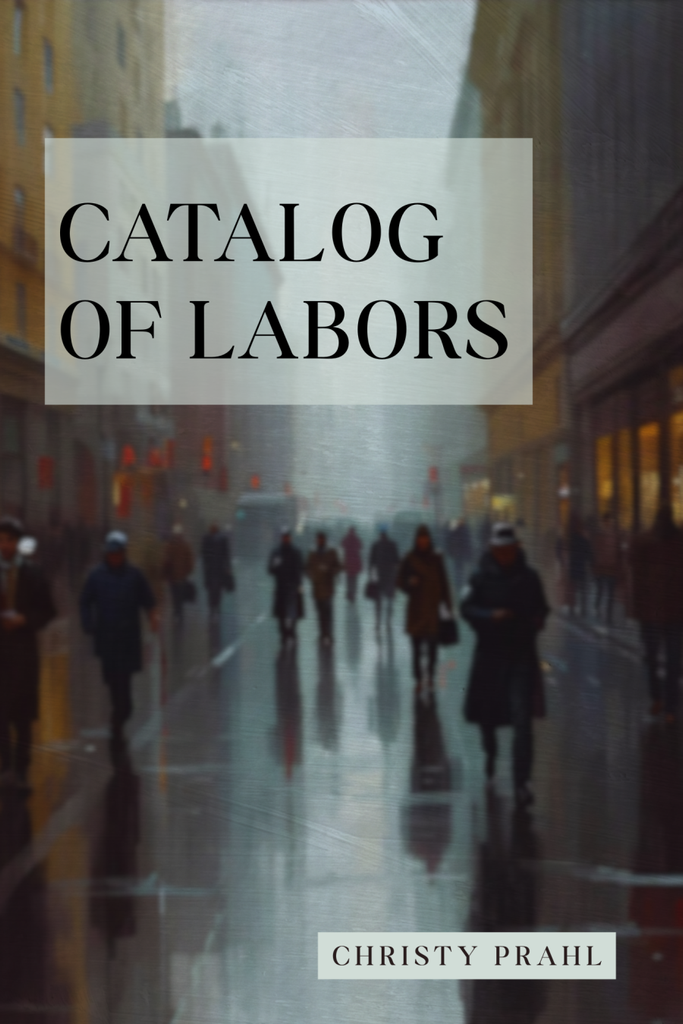
Our professions are often where we invest the greatest portion of our time, energy, and ambition, sometimes at the expense of other priorities. Poetry is not expected to live in offices, banks, or bakeries, yet these are precisely the terrains Catalog of Labors invites us to enter.
This economical and incisive collection by Christy Prahl seeks to establish a poetics of work grounded in attention rather than spectacle. Organized around concise titles such as “The Plumber,” “The Docent,” and “The Vacuum Cleaner Dealer,” the book unfolds as a gallery of portraits that unmask what is routinely suppressed in professional life: emotional disorder, private longing, quiet resistance, and moral fatigue.
Across these poems, work persists through grief, aging bodies, and diminishing purpose. Sometimes we are the laborers; sometimes we are the ones shaped, managed, or depleted by systems larger than ourselves. Within that exchange, Prahl locates moments of unexpected majesty, elevating routine tasks into acts of endurance and care.
Clocking in for these twenty poems offers a meaningful return. Readers are invited not only to observe but to collaborate, to recognize themselves, to be trusted with the keys, and to leave with language that honors the work they do and the lives they live beyond it.
Salon des Refusés
Landfill, André Le Mont Wilson
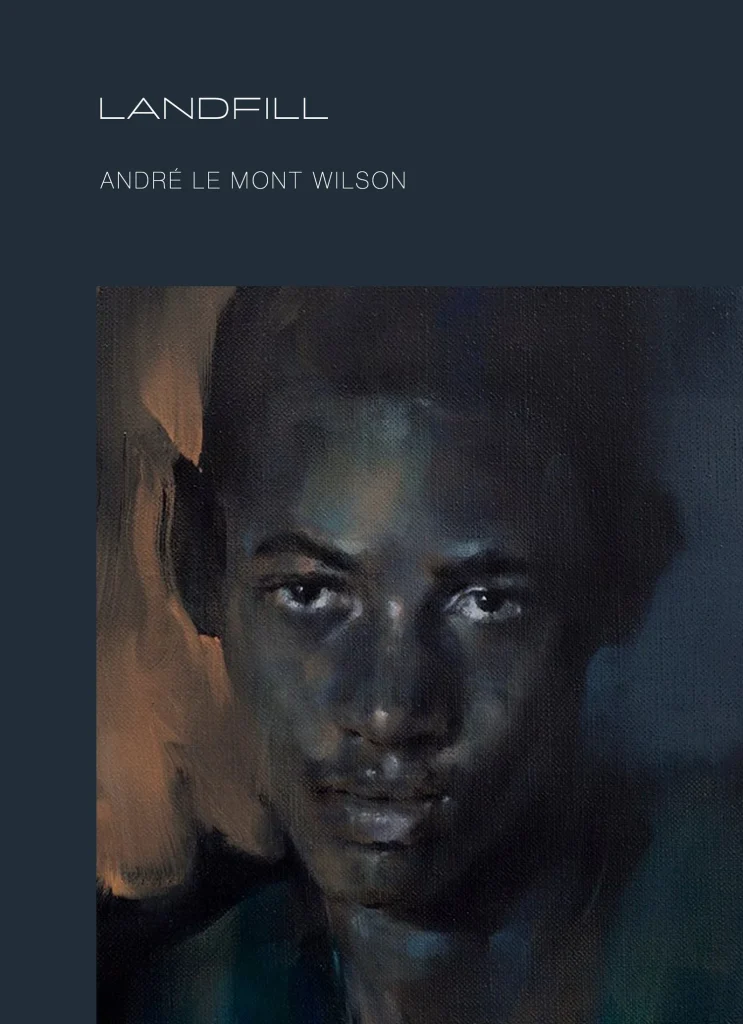
In the summer of 1980 in Los Angeles, Black boys are vanishing. A sixteen-year-old gets an office job at one of the city’s largest landfills, but his supervisor reroutes him to clean the locker room where the sanitation workers hoard porn of men having sex with teen boys. Amid the detritus and decay of the landfill, a story of seduction and betrayal unfolds.Using the quatern, an incantatory French form, Landfill narrates a tale of fear and desire in a collection of sixteen interlocking poems about the summer that scarred the boy forever.
Game Over Books
Catalog of Shadows, Jaz Sufi

Catalog of Shadows is a dynamic postmortem of an abusive intimate relationship. Through both form and free-verse, these poems explore codependence, autonomy, and identity while complicating the victim-to-survivor narrative. If abuse requires the abandoning of one’s self, then this collection is a chronicle of its rebuilding and reclamation.
Tofu Ink Arts Press
Pixelated, Basil V Soper
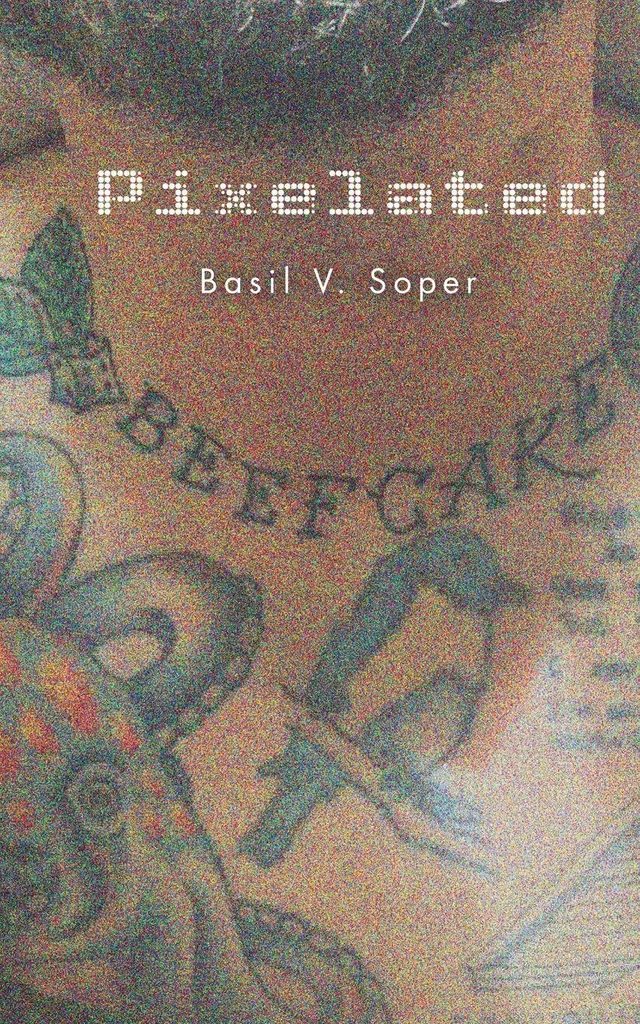
Pixelated chronicles the frontier of trans millennial life and self-discovery, shaped by the dawn of the internet. The collection exists in the fractured tension between analog and algorithmic lives. It examines how identity, intimacy, sex, and time are built, documented, and transformed in an era defined by social media. Moving between hookup apps, personal archives, and Southern and Northeastern (United States) landscapes, these poems inhabit spaces where bodies become data and memory becomes image. Soper, in a diaristic manner, charts desire, isolation, and adaptation, searching for authentic intimacy in an increasingly algorithmic world. In Pixelated, desire is not portrayed as spectacle or confession, but as a central human theme: the ongoing search for love, connection, and pleasure, and how these are redefined in digital contexts.
Wesleyan University Press
The Zarabanda Variations, Edgar Garcia, Keir Gogwilt
This combined chapbook and musical album collects the work of a group of musicians convened by violinist and composer, Keir GoGwilt. The Zarabanda Variationsalso features Edgar Garcia’s prose, poetry, and performances, creating a space for the textual, visual, and musical components of the project to be in conversation. Through these various media, the artists traverse the colonial histories of musical dances like the zarabanda, which eventually became known as the Sarabande in European Baroque culture. The result is a multimedia collage of musical traditions, personal reflections, original compositions and improvisations, which challenge the projected unity of the Baroque by drawing from the fractured, migratory reality of its past and future. Other contributors (also featured on the album): Wilfrido Terrazas, Mariana Flores Bucio, Vicente Atria, Miranda Cuckson, Carrie Frey, John Popham, Alec Goldfarb, Kyle Motl, and Jonny Allen.
Rattle
Secretary of the Invisible Thing, Lance Larsen
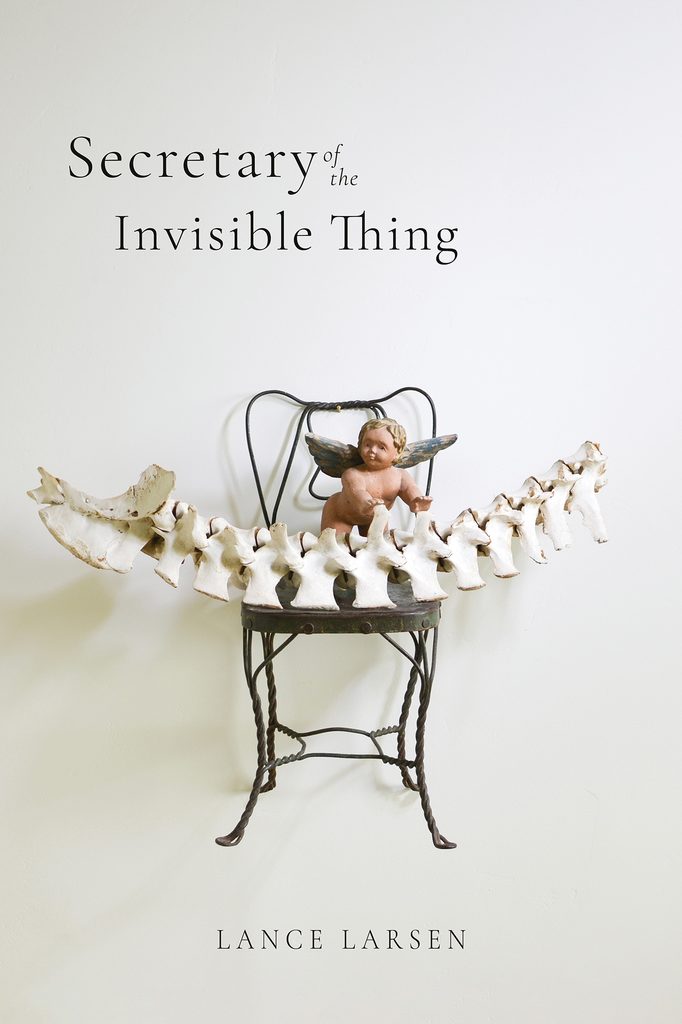
Writers are more porous than impermeable. In Secretary of the Invisible Thing (a phrase from Czeslaw Milosz), Lance Larsen tests this claim, not dictating so much as taking dictation. In Larsen’s case, this includes feeling haunted by his daughter’s dead name, by a greedy river whispering bring me a horse, by Anne Sexton’s favorite palindrome (“Rats live on no evil star”), by William Blake seeing angels in his garden, even by a stray cat in Florence who “speaks almost no Italian.” What better way to be both enchanted and bedeviled? What better way to celebrate Earth’s “broken backfiring beauty”?
Red Flag Poetry
The Good Sea, Robert Fanning
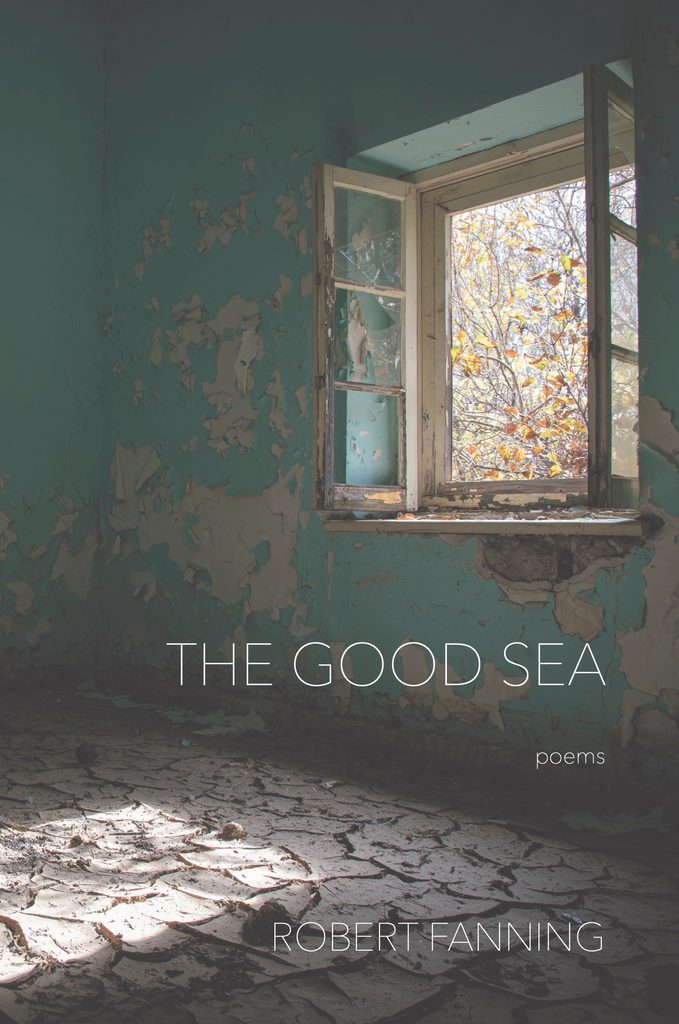
A blind boy sees with the gift of a dead woman’s eyes, a man is carried away by owls, a child’s lost balloon lures their parent beyond time—these are just a few of the transformative dives you’ll take in Robert Fanning’s The Good Sea. Lush with Fanning’s musical language and deep vision, in this collection of twenty prose poems, wilder, dreamlike currents surge, washing over ruins left by change and loss with humor, soul, and the fathomless, redemptive force of the imagination.
Red Bird Chapbooks
Gulf War Diaries, Eva Eliav
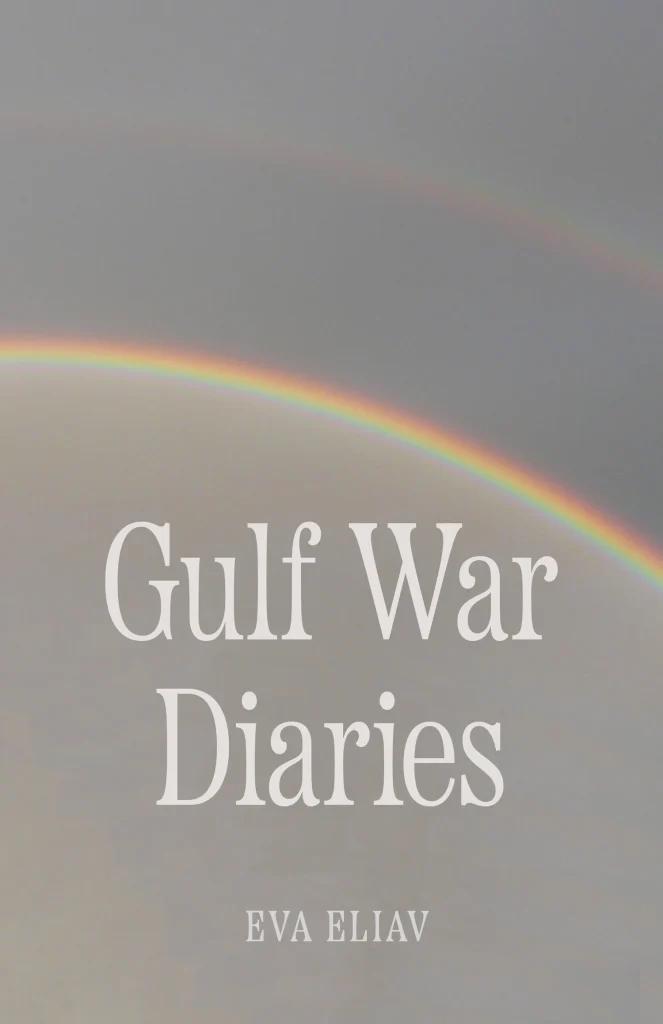
Gulf War Diaries is a compact collection brimming with visceral and emotional power. Originally written in 1990-1991 in the midst of the conflict, these rediscovered poems remain significant today through Eva Eliav’s study of the complexities of war. With biting humor and astonishing word choice, Eliav examines the brutality of the everyday, the monotony of fear, and, in the middle of it all, human perseverance.
Broadstone Books
FAULT LINE, Susan Eisenberg
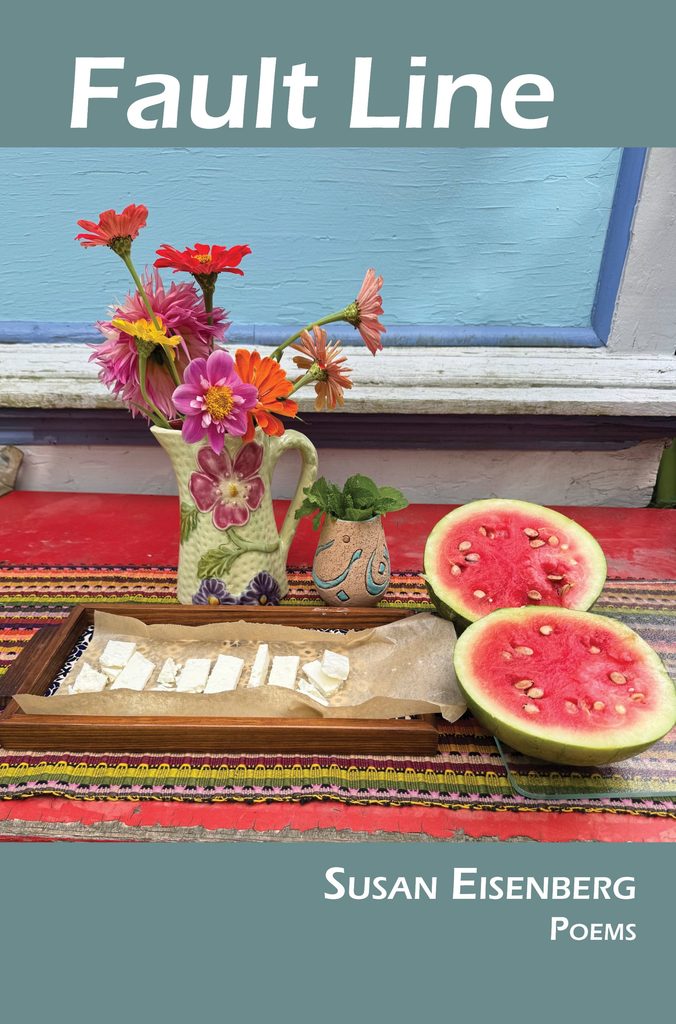
Drawing on a range of poetic strategies, Susan Eisenberggrafts onrushing news accounts onto the page. With haunting imagery, the poems of Fault Line stress test how the political and moral landscape, friendships, and language itself become altered by the catastrophic destruction in Palestine. The collection closes with a bit of hope from Jenin.
above/ground press
The Thought Lawn, Mark Tardi
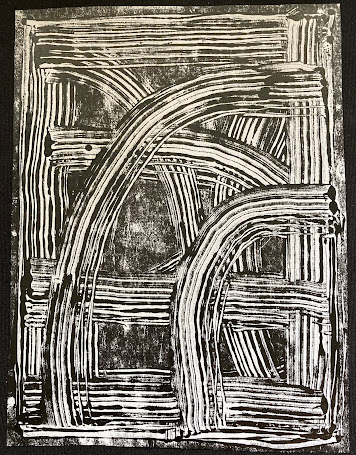
Mark Tardi is a writer, runner, and translator whose awards include a 2023 PEN/Heim Translation Grant and a 2022 National Endowment for the Arts Translation fellowship. His translations include Viscera: Eight Voices from Poland (Litmus Press, 2024), Unsovereign by Kacper Bartczak (above/ground press, 2024), The Squatters’ Gift by Robert Rybicki (Dalkey Archive, 2021), and Faith in Strangers by Katarzyna Szaulińska (Toad Press, 2021). Recent writing and translations have appeared in Conjunctions, Poetry, Poetry Northwest, MAYDAY, Ilanot Review, Denver Quarterly, Interim, Cagibi, Full Stop, and elsewhere. His newest book, Recapitulation in the Wrong Key, is out from BlazeVOX Books. He is on faculty at the University of Lodź.
ignite, Lori Anderson Moseman
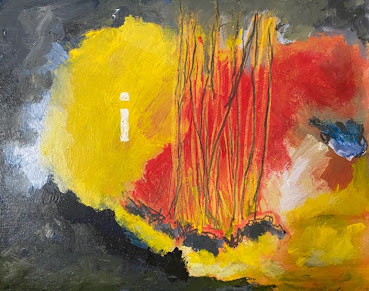
Lori Anderson Moseman’s earlier chapbooks from above/ground press include: Whittle Gristle (2025) plus Okay and Too Few Words (2023). Quietly Between, a 2022 poetry/photography collaboration, is available from A Viewing Space. Her experimental poetry collections include Darn (Delete Press, 2021) and Y (Operating System, 2019). For her earlier prose poems see Full Quiver (Propolis Press, 2015) and Flash Mob (Spuyten Duyvil, 2016). She lives on Kalapuya Ilihi, the traditional indigenous homeland of the Kalapuya people whose descendants are citizens of the Confederated Tribes of the Grand Ronde Community of Oregon and the Confederated Tribes of the Siletz Indians of Oregon.
Self-Portrait in a kaleidoscope, Pete Smith
Born in Coventry, England, & raised there during its post-war boom years. Worked for forty years in institutional & community settings with people dually diagnosed with intellectual & psychiatric issues. They taught him a lot. A piece of slow writing under the working title Among Us is in progress.
Has lived in & around Kamloops, BC, since emigrating from England in 1974. Poetry is what he thinks he thinks & feels with. A ListServ of poets with closely shared interests revived his writing practice in the late 1990s. Agenda, Wild Honey Press, Poetical Histories, the Gig, Oystercatcher, Great Works, Alterran Poetry Assemblage, fortnightly review, Dispatches from the Poetry Wars, Capilano Review, W, Shearsman Books (Bindings with Discords) in 2015, & the various outposts of the whirlwind known as rob mclennan, are among the places he has published poems, essays & reviews.
Spirit House, Ken Norris
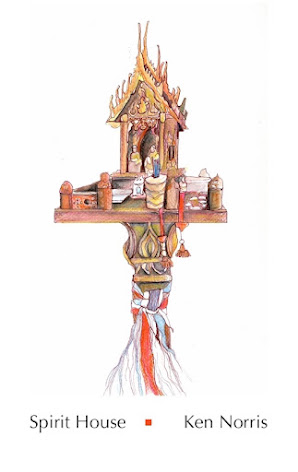
Ken Norris was born in New York City in 1951. He came to Canada in the early 1970s, to escape Nixon-era America and to pursue his graduate education. He completed an M.A. at Concordia University and a PhD in Canadian Literature at McGill University. He became a Canadian citizen in 1985. Norris is Professor Emeritus at the University of Maine, where he taught Canadian Literature and Creative Writing for thirty-three years. He currently resides in Toronto.
Bottlecap Press
Persephone Responds, Abriana Jetté
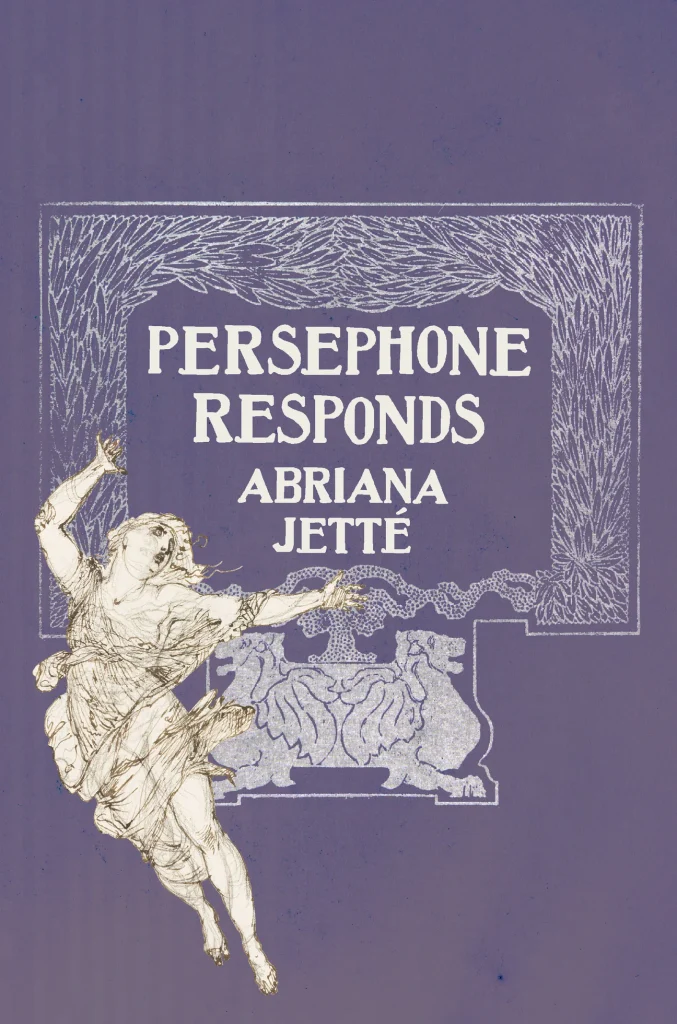
In Persephone Responds, Abriana Jetté offers a lyric reimagining of myth and an intimate reckoning with memory, desire, grief, and the terms of return. The dead ride along in back seats, mothers grieve and rage, lovers cross rivers, and the body becomes both evidence and inheritance.
Tender and unsparing, playful and devastating, these poems ask what it costs to leave, what it means to return, and whether becoming oneself might require learning to live among the ghosts of everything we have been told to be.
Groundwork, Christen Mattix
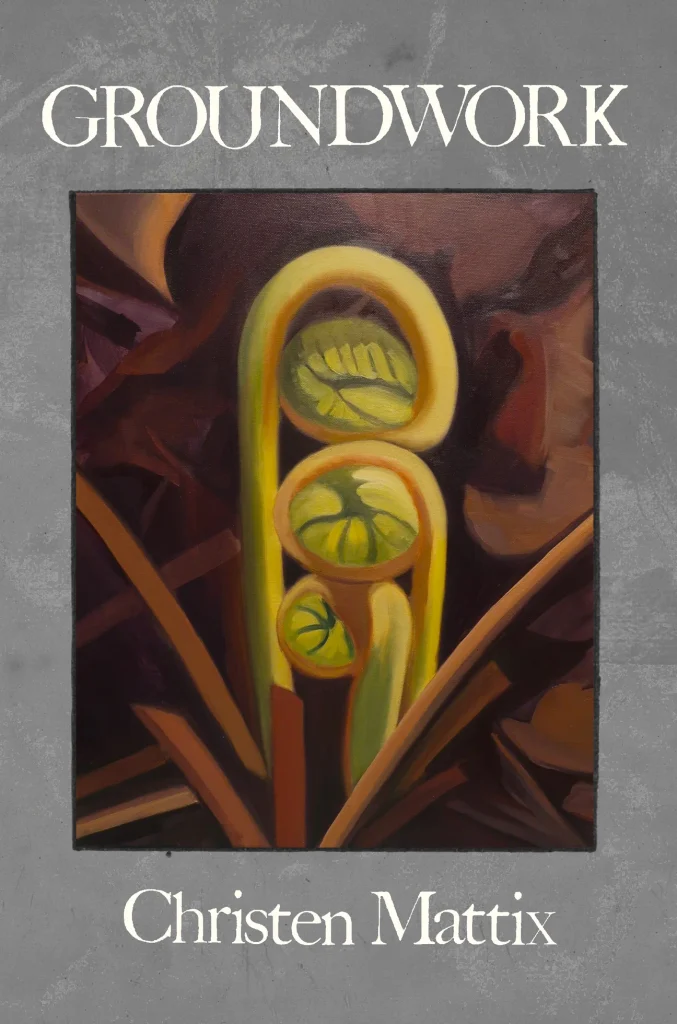
This first chapbook by Christen Mattix centers on a deep engagement with the rural and wild spaces of the Pacific Northwest. Mattix begins with what is under her feet or near at hand—a maple seed, or a fern. These humble beginnings prove unexpectedly fecund, giving rise to deeply-felt poems that touch universal themes of joy, grief, and homecoming.
Mattix’s sensitive ear, eye, and heart are showcased in these poems which beg to be read outloud. Anything but literal, these poems are acts of imaginative power in a voice that ranges from playful to sublime. Drawing from diverse formats including recipes, the news, and even to-do lists, Mattix breaks new ground for herself, and, in the process, invites us to rediscover the enchantment hidden within the everyday.
Puncture Wounds, tommy wyatt blake
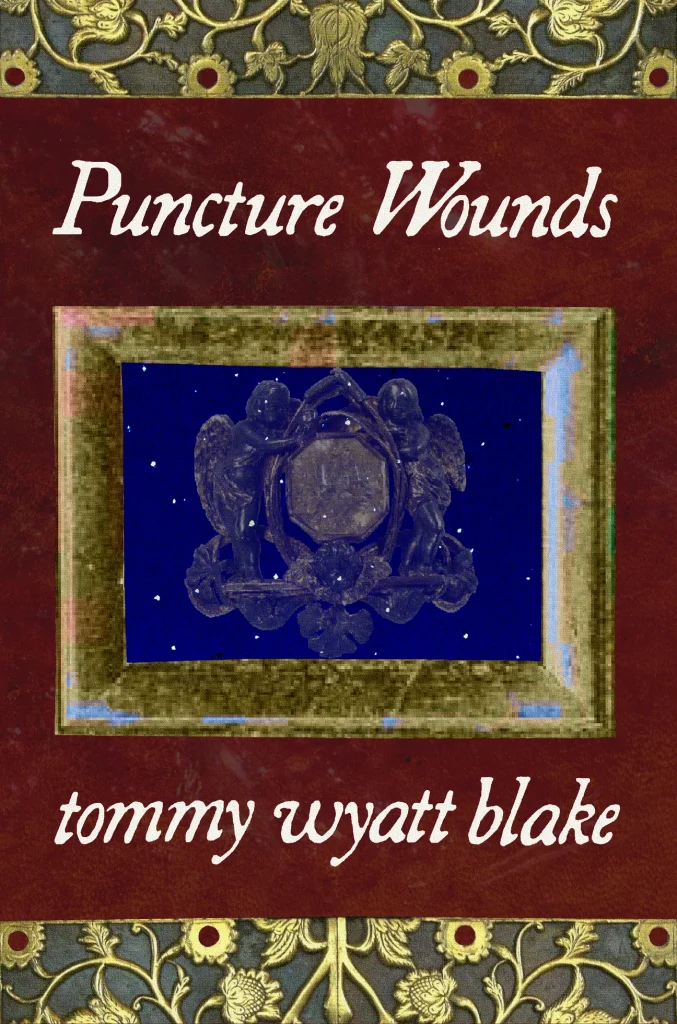
Puncture Wounds is a short collection of poems inspired by the original Charmed series that aired from 1998 to 2006, referencing episodes such as “Pardon My Past”, “All Hell Breaks Loose”, and others. Through free verse, paragraph, and spell poems, the speaker investigates the self.
Examining it through Complex Post Traumatic Stress Disorder, the collection spans from the speaker’s childhood to adulthood. The poems explore sisterhood and the strength of togetherness from the perspective of Dissociative Identity Disorder. Puncture Wounds has tertiary themes of gender, sexuality, identity, and trauma.
Marty’s Walk, Kyra Spence
The poems of Marty’s Walk are written “inside the shape of longing,” out of “dream geography,” and from “the other world,” which is also “this one.” The work maps intimate histories and local mythologies through signs, incarnations, and atmospheres. Spence encounters and externalizes emotional conditions in landscapes haunted by physical and emotional specters.
In those landscapes, desire animates and bewilders—desire, above all, to look and truly see, to listen and to be heard, to belong to a scene, to have “any story” to make sense of the dark. The speaker attempts, over and over, to communicate with entities that may or may not be listening: the illustration of man on a billboard, figures in memory, characters in dreams, the buried boy, in turn positing the poem as the place for an otherwise impossible form of communication.
Fuzzy Slippers: An Alternate Timeline, Piper Rasmussen
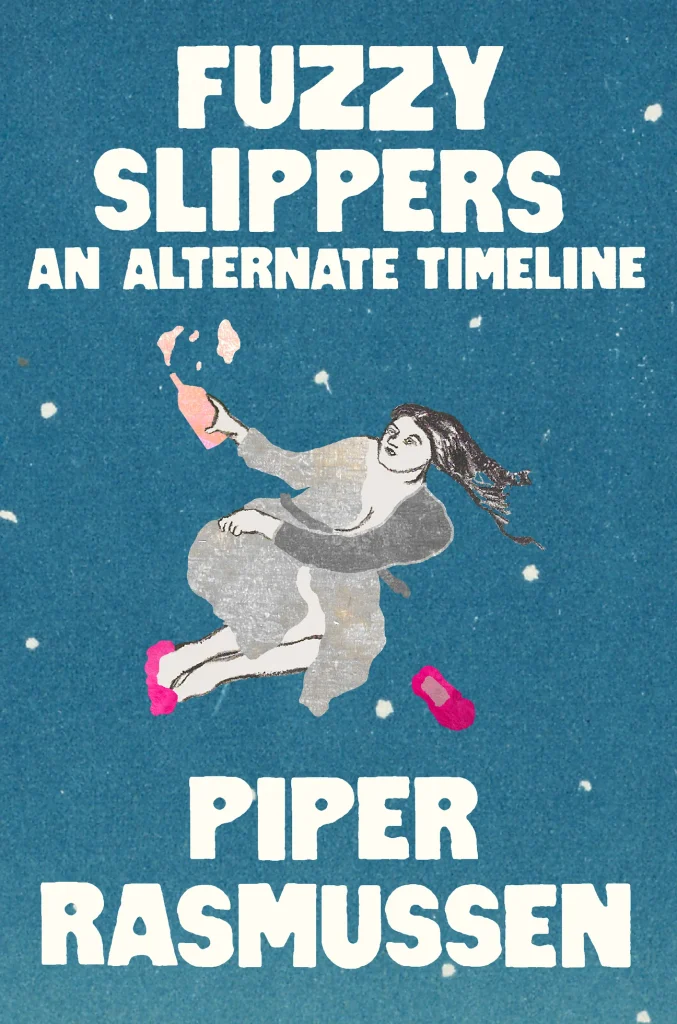
Part museum tour, part speculative autofiction, all poetry: Fuzzy Slippers: An Alternate Timeline explores the gravitational pull of partnership and parenthood. It has poems on butterflies, wine books, model trains, a roller coaster, Jane Austen screen adaptations, and the Hall of Minerals at the American Museum of Natural History. Each exerts an influence over a woman’s path to choosing and making a family.
Sly sincerity and a cheeky sense of humor fill Fuzzy Slippers and carry this collection away into the unknown. This chapbook speaks to the delights and horrors of going with the flow, step by pillowy step.
Rockwood Press
We Are the Borders, Abdullah Bin Imran
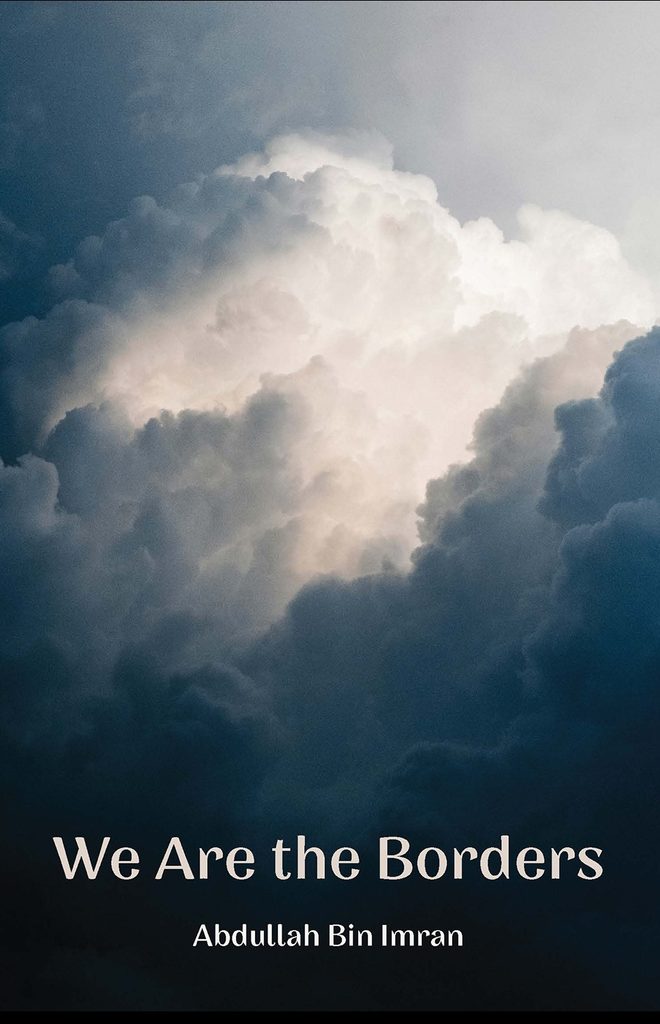
Abdullah Bin Imran explores displacement, identity and belonging through poems that move between exile, memory, prejudice, and personal transformation. Drawing on images of borders, mirrors, cracks and changing skins, this collection explores what it means to live between cultures while confronting how other individuals perceive and define us and how we quite often become metaphorical borders ourselves. —Silver Busobozi
We Are All Naked in This Land, David J. Kann
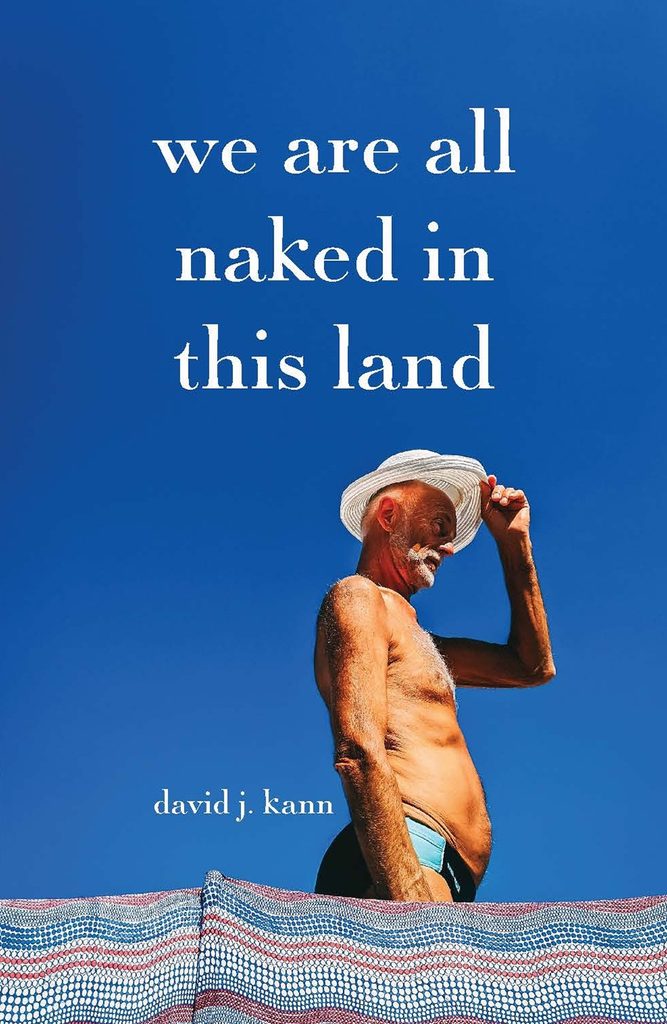
Meet me in the woods
where city lights
don’t smudge the sky,
and every star shines stark.
Come where night weaves
through leaves and branches,
between rough trunks.
Careful where you step.
Roots sprawl like veins
on the back of an old man’s hand.
We’ll follow foxfire’s glow
where it lights the way.
David J. Kann, author of Ishmael on the Farm (Fernwood Press, 2024) and five chapbooks, is still writing at eighty-four and finding ways to celebrate aging.
Apocalypse Rainbow, Louisa Schnaithmann
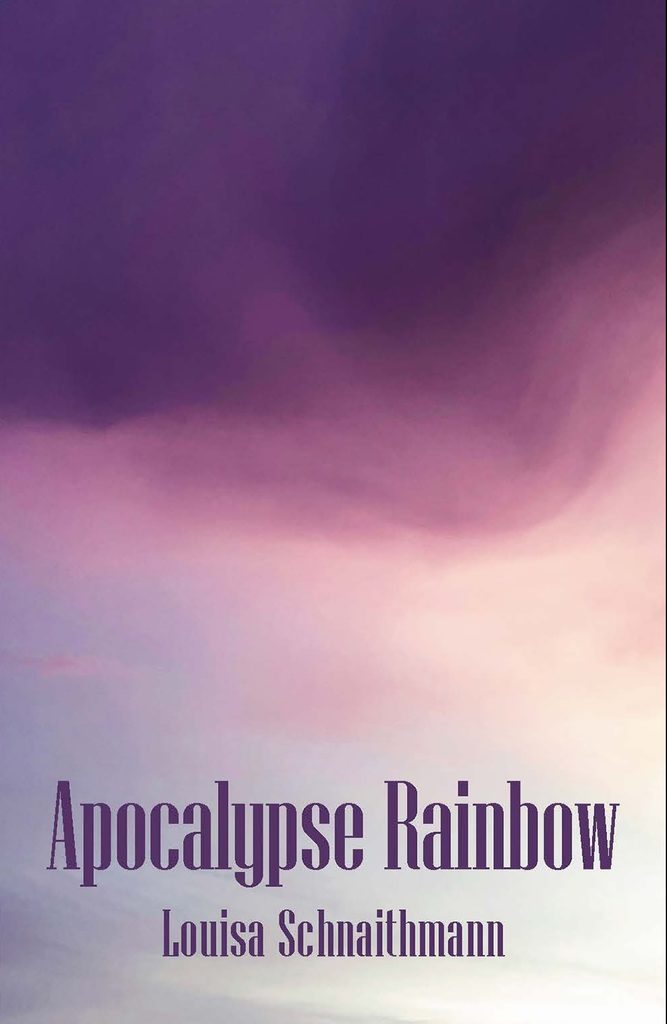
“As the title suggests, the poems in Apocalypse Rainbow journey through a landscape between disaster and hope, past and future, grief and love, hurt and forgiveness. Schnaithmann’s lyrical voice is clear, direct, brave: “Sometimes I write difficult things. / Other times, I think about the bees in the lavender.” Between the two, Schnaithmann weaves calamity and beauty into compact moments that seek ways to live with the unadorned truth of both.” —Hayden Saunier
Forsythia Overnight, Dave Malone
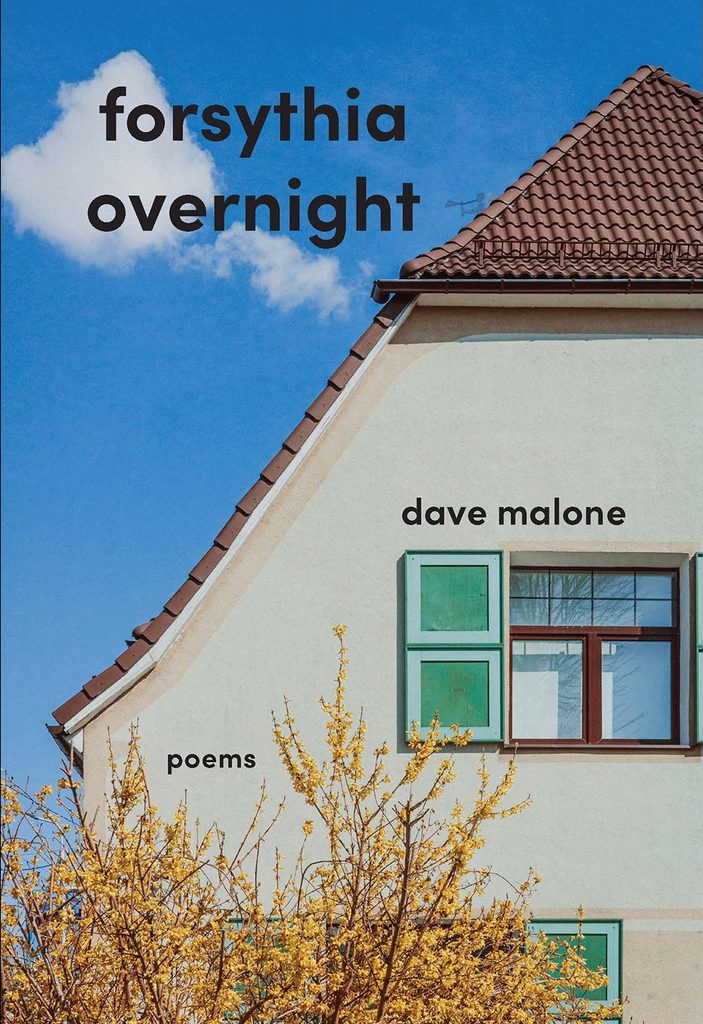
Forsythia Overnight is a poetic journey filled with glimpses of the Ozarks and shadows of the Osage. Diamonds and gold, the oak and the pine, a garage and a yard thirsty for blessings; all places and pieces woven to relay messages from the past, echoes of Dave Malone’s people and his hills. These poems ask the questions we all carry: the whys of nature, who we are, and how the past continues to shape us. —Carol Parris Krauss, author of Mountain. Memory. Marsh.
Tiger Bite, Ursula McCabe
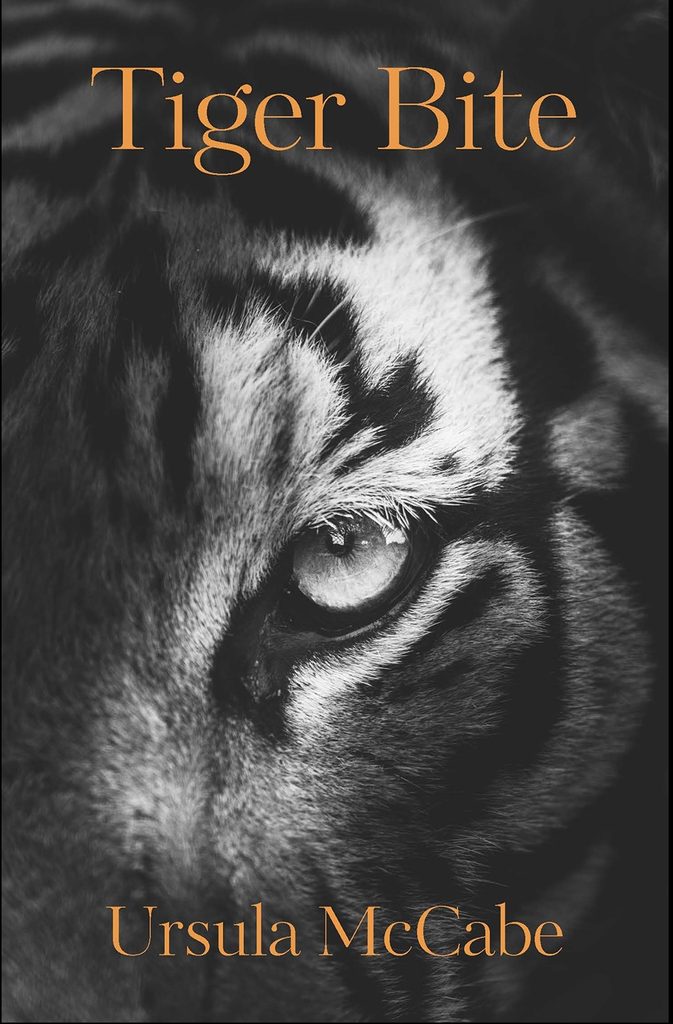
“In Tiger Bite, Ursula McCabe weaves together lush, dream-like descriptions of nature with flashes of self-portraiture, showing where the outer physical world and our elusive inner emotional lives overlap. There is an ever-present tug of regret, worry, and loss but also love and appreciation beneath the vivid depictions of a natural world that existed long before us and which will go on long after we are gone.” —Scott Waters, author Train of Thought
Cumulus, Shivani Gupta
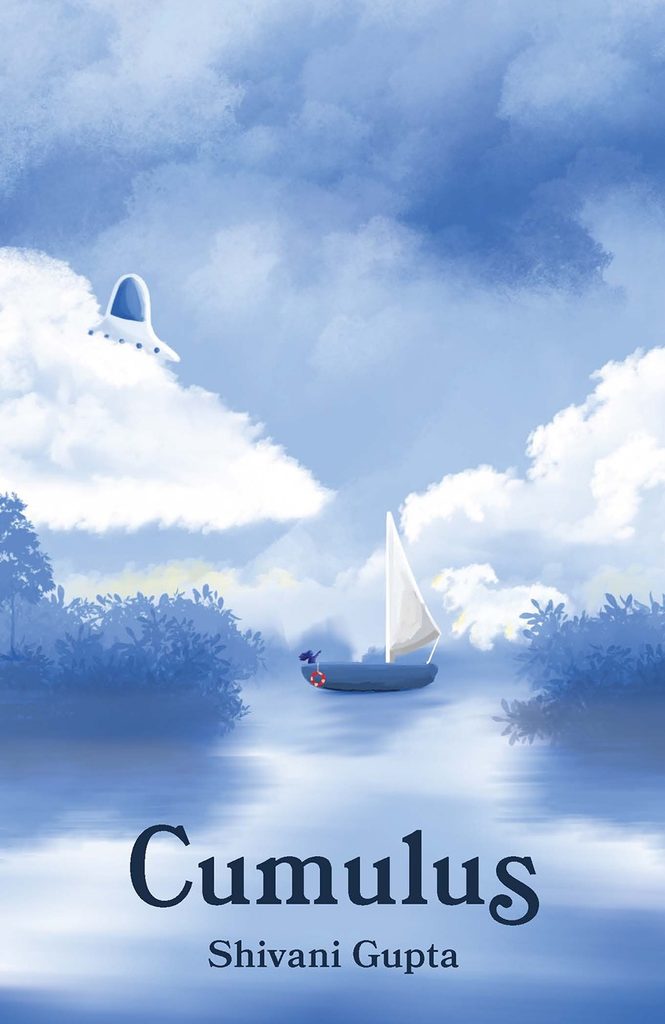
The politics of entitlement, gratitude, authority, obedience, and abandonment are raked over the coals of Gupta’s syntax as she remixes our expectations of language, fathers, and men more broadly. Together, these poems stitch a sensitive portrait of a particular kind of paternal psyche and the reluctant psyches of those of us who love them, miss them, and carry with us their love and their transgressions alike in assemblages of ourselves amidst our inherited and created cosmologies which, inevitably, contain all the fragrances and textures of their memory. —Ashna Ali, author of The Relativity of Living Well
nor are you free to abandon it, sarah klein
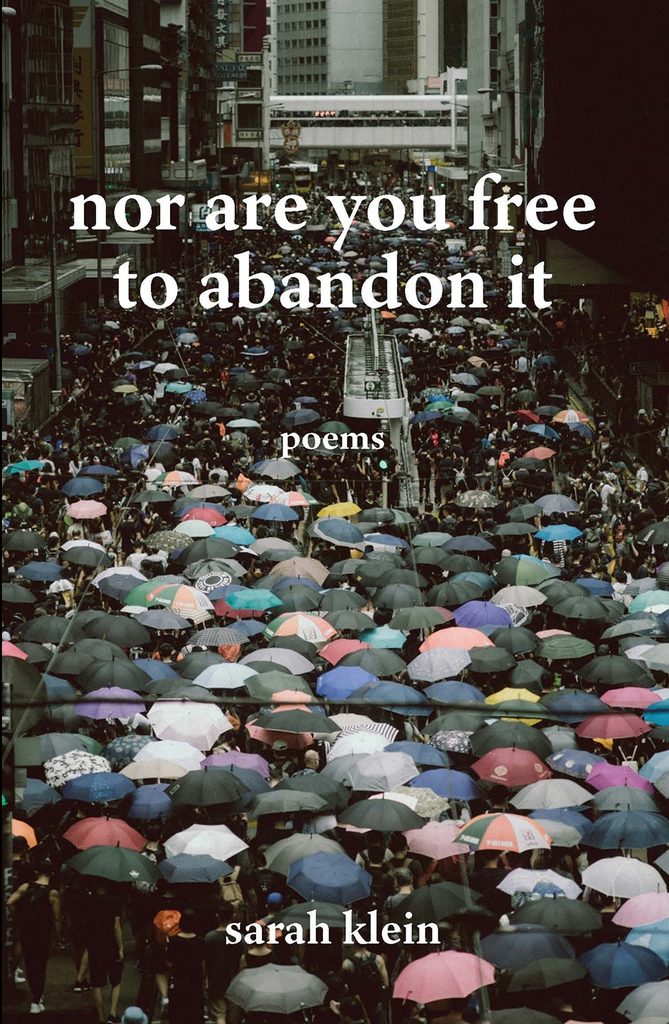
“Klein’s brilliant collection will resonate with readers who feel enraged and gaslit by a regime actively deceiving the populace and a nation cowed to subservience. William Nicholson wrote, “We read to know we are not alone,” and the powerful urgency of Klein’s exemplary verse serves as a much needed reminder that we have voices we must dare to employ in the face of an era of such injustice.” —Benjamin Gorman, author of This Uneven Universe, co-editor of the Antifa Lit Journal
Annunciations, Buffy Shutt
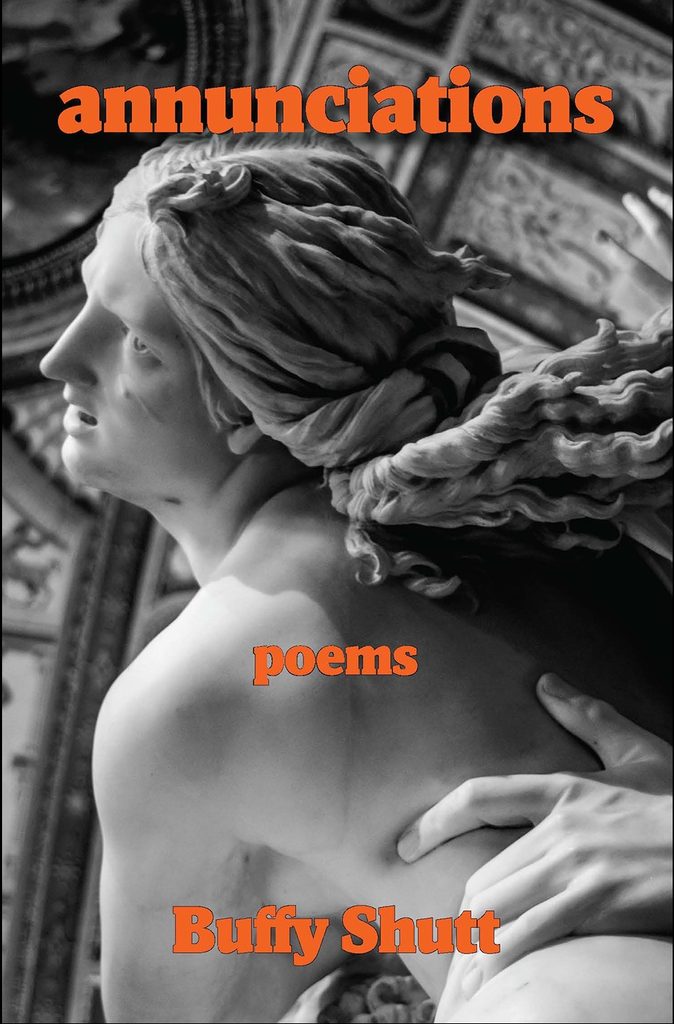
“Annunciations investigates and then transfigures the violence women face when agency is denied or stolen from them. Shutt’s tightly woven chapbook provides a simultaneously meditative and delightfully loud space, placing the reader in a position of viewer, consumer, and then transmuter of the power dynamics imposed on the female figure—a much-needed reclamation of the narrative around the Annunciation and is a delight to read from start to finish.” —Katie Richards, author of Apple Mind
Letters to the Dead, Toni Ortner
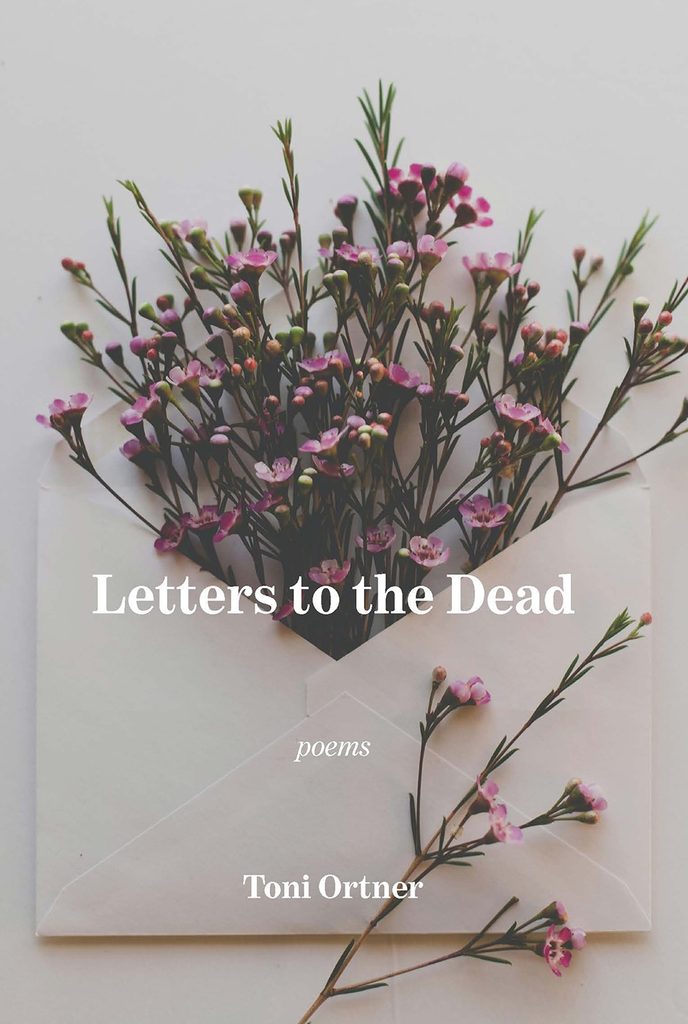
In Letters to the Dead, Toni Ortner reaches across the boundaries of memory, grief, and time through a series of intimate poetic letters and meditations. Addressing departed friends, family members, and writers, these poems explore mortality, friendship, loss, aging, and the enduring mysteries of consciousness. Moving between vivid recollection and spiritual inquiry, Ortner reflects on dreams, pandemic solitude, literary ancestors, and encounters that blur the line between life and death. Tender, contemplative, and deeply humane, this collection invites readers to consider what remains when names and forms disappear and how love continues beyond absence.
Finishing Line Press
Sandstone and Kin, Camille LeFevre
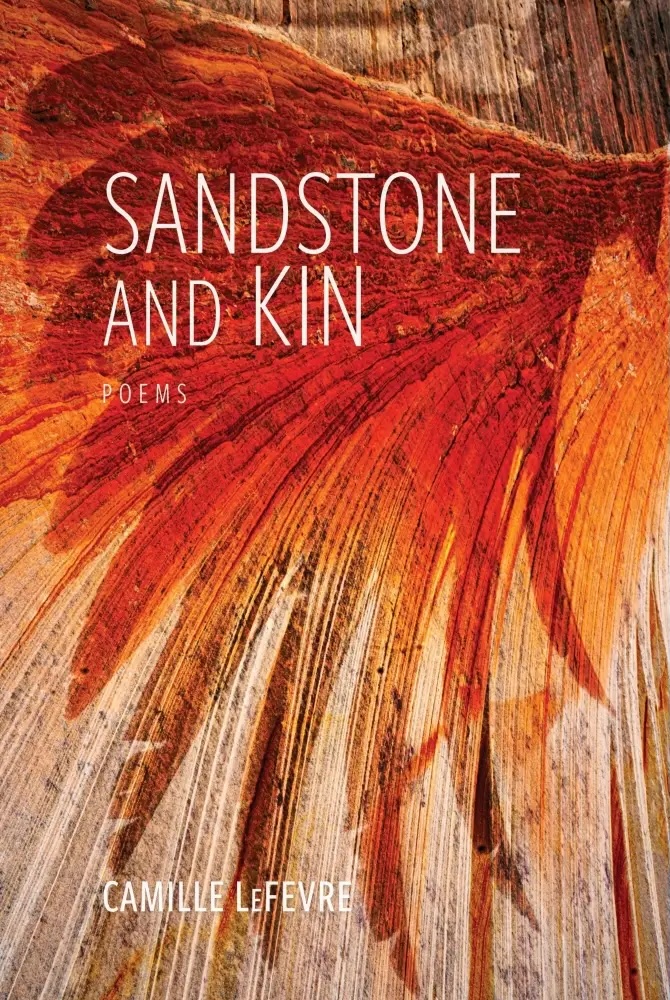
In this debut poetry collection, Camille LeFevre ventures beyond the postcard-pretty optics of Northern Arizona’s spectacular red-rock landscape into an eco-poetics of home. Layered sandstone, coyote scat, antler shed, and cactus bone spirit these poems. The longing for kinship in her “terra-stained gaze” dissolves the boundaries between nature and human: All life is sentient, her body mirrors biomes. The high desert and its more-than-human inhabitants transform her past trauma into “one true nature.” Together, poet and readers find solace within “a canyoned embrace.”
Hollering Spell, Alyx Chandler
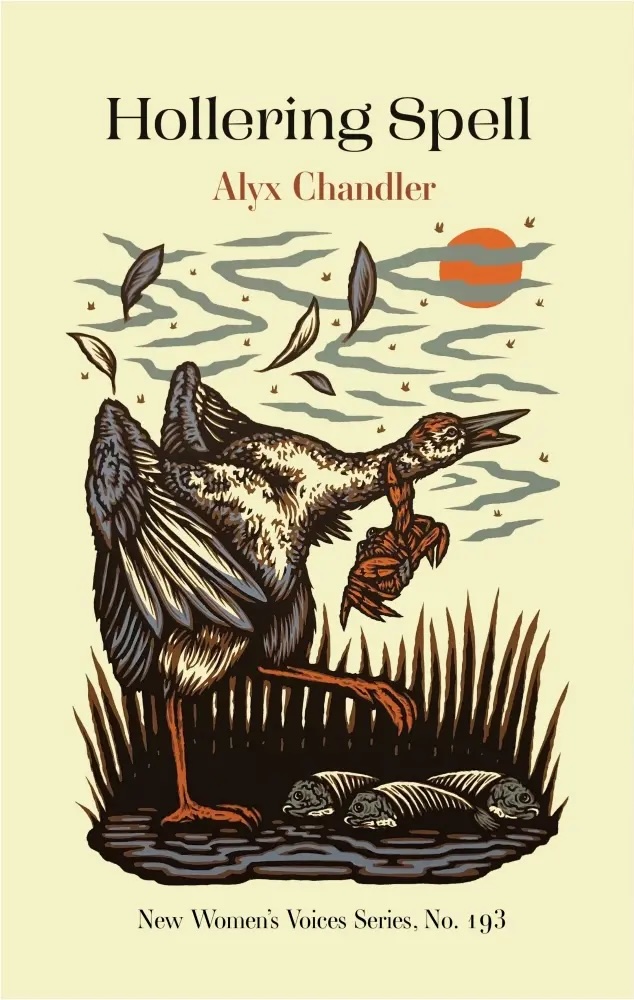
Like the distinctive hum of a cicada, the poems in Hollering Spell emerge curious but urgent, taking readers to the edge of Appalachia to revel in a girl’s story of growing up in the Deep South. Alyx Chandler delves into family lore, landscape, maternal lineage, sexuality, accent, and the dissonance of a place with “so much sweet paired with sting,” and a hometown where bless your heart is an insult if you use it right. All the way from Alabama’s backroads past the GO TO CHURCH or the Devil Will Get You billboard to the “mannequin land” of cash-only flea markets to the messy piles of shrimp shells at Gulf Shores, Hollering Spell devours memories like a plate of southern comfort food. The poems in her debut collection move between domestic spaces and wild terrain, from porches with rocking chair ghosts to beaches where jellyfish sting, revealing just how close tenderness can be to violence. With every holler, Alyx Chandler reminds us how we remain spellbound by who and where we come from, and how we’re never quite able to forget our first home.
Jellyfish and Grit, Maya Klauber
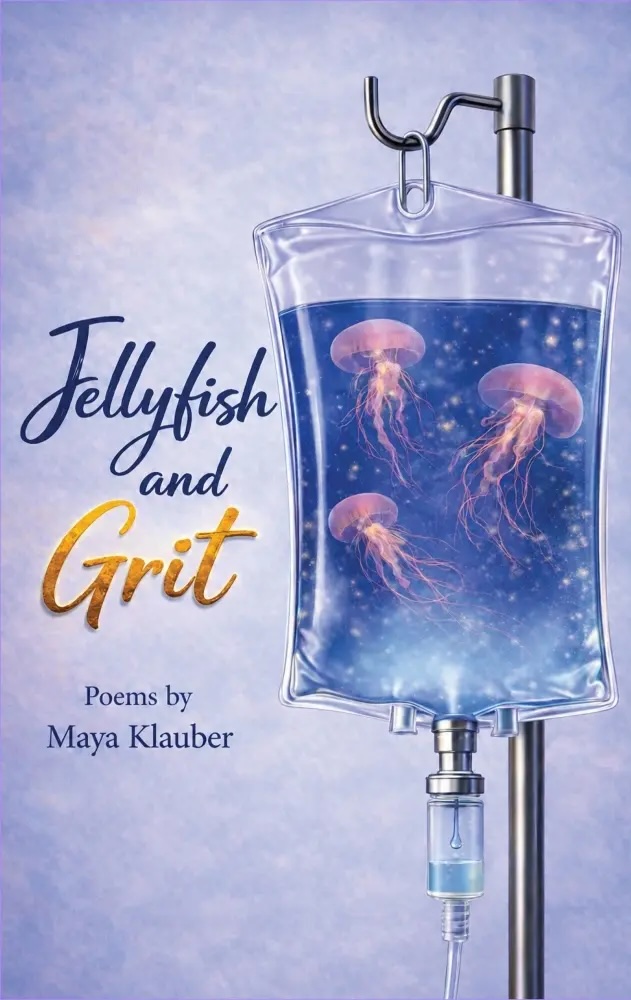
Jellyfish and Grit offers poems spanning a life lived with chronic illness. From navigating a childhood in pain, to finding the right life partner, to examining motherhood in ways many people are never forced to, these poems offer unique insights into living in a body that is differently abled. They also explore faith, mental health, and a connection to nature. There is a quietly heroic spirit—a grit—that endures throughout this collection. If we let it, this collection of poems may challenge our assumptions about what it means to take paths we never anticipated, and perhaps help us redefine suffering.
Small Exchanges, Sam F. Johnson
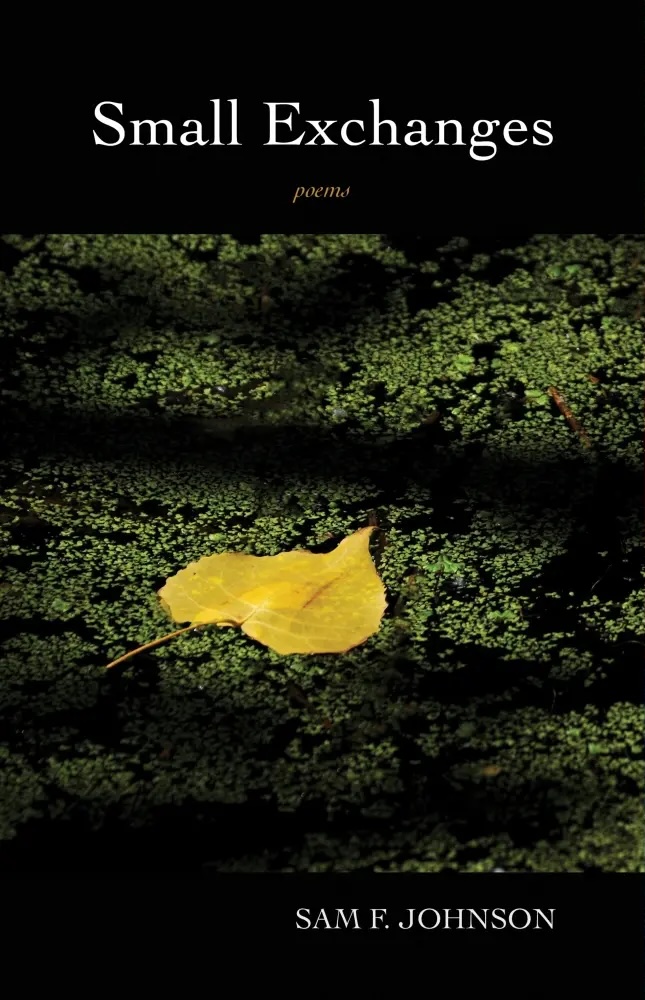
Small Exchanges is a collection of poems dealing with everyday encounters and sights. These sights and encounters might be a garden, an albatross, a caregiver or something I’ve read, even an obituary. Encounters lead to surprising questions and insights and when things are said well, questions and the inquiry are more important than answers for the lives we live.
Long For This World, Emily W. Pease
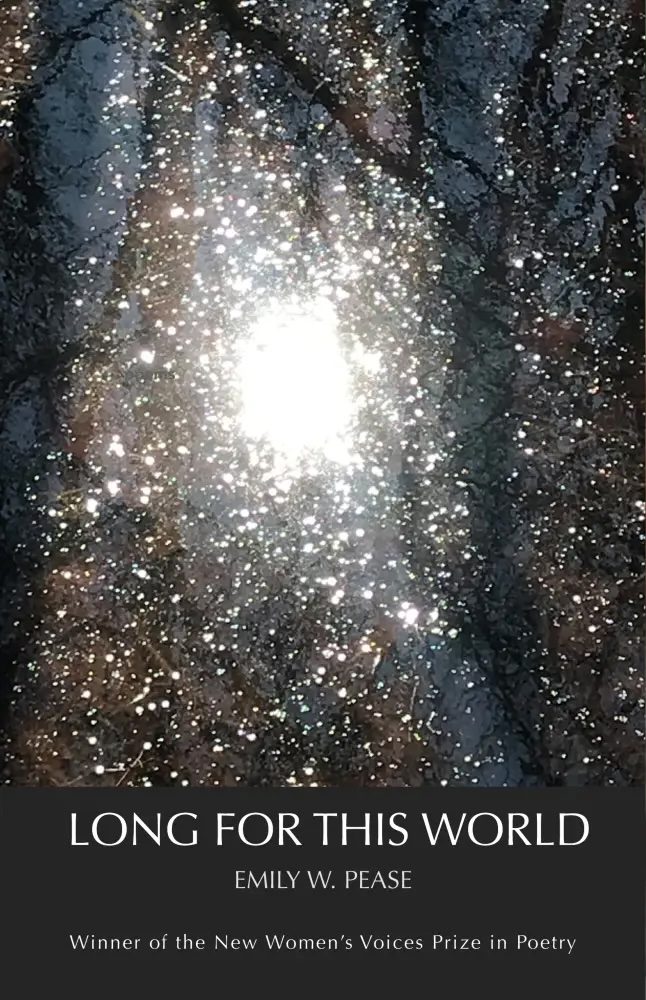
None of us is “long for this world,” the saying goes, so we may as well live with a due sense of wonder. In this collection of poems, to “long for this world” is to be open to the unexpected, like a turtle on a runway or angel on a beach at night. The three magi cross the desert, following a star, and one of them is a “fly queen” wearing pearls. A mother offers hard and daring advice, and a fancy neighbor keeps a pet raccoon. The speaker in these poems has enjoyed intimate desire as well as grief and loss, and when she witnesses a solar eclipse, filled with awe, comes to this conclusion: “we are full and hollow/and vacant at last,/ just as we all suspected.”
Pas de Deux for the Time Being, Richard Garcia, Miho Kinnas
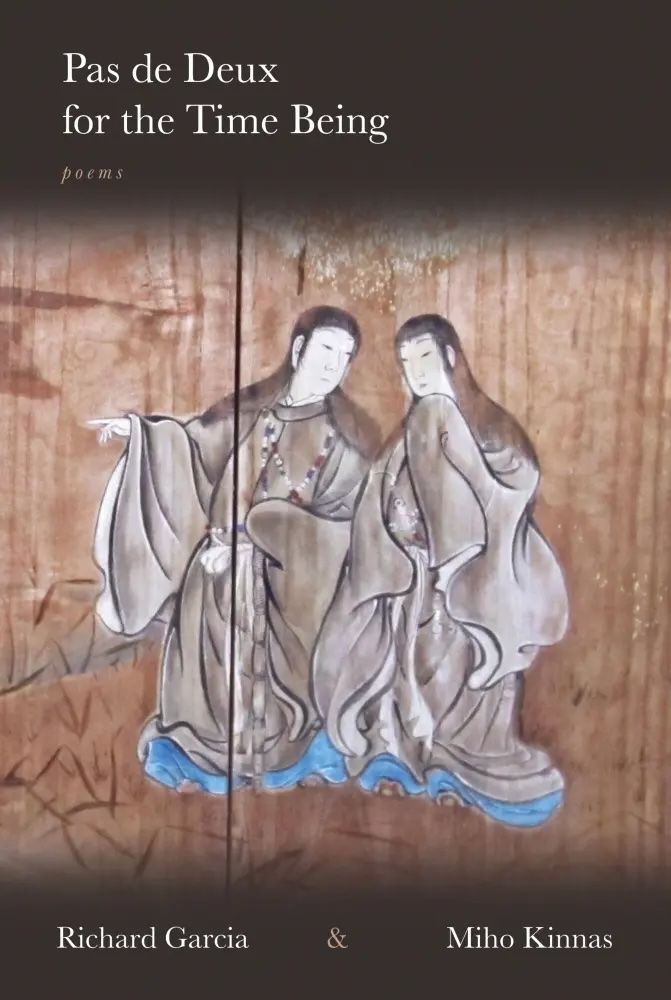
Pas de Deux for the Time Being: an experiment in collaboration is a book of poems written by Richard Garcia and Miho Kinnas. They started with a simpler form of haibun – haiku and prose. As they progressed, the form evolved. Richard is known for his prose poems, and Miho for her short poems written in the forms of her own creation—So, at this time of publication, their collaborative work includes the elements from renga (Japanese-style linked poem), haibun, monostich, prose poem and haiku. This unique form, however, doesn’t get in the way of enjoying their witty, somewhat strange, poetry.
A Longing With No Nomenclature, Desiree Remick
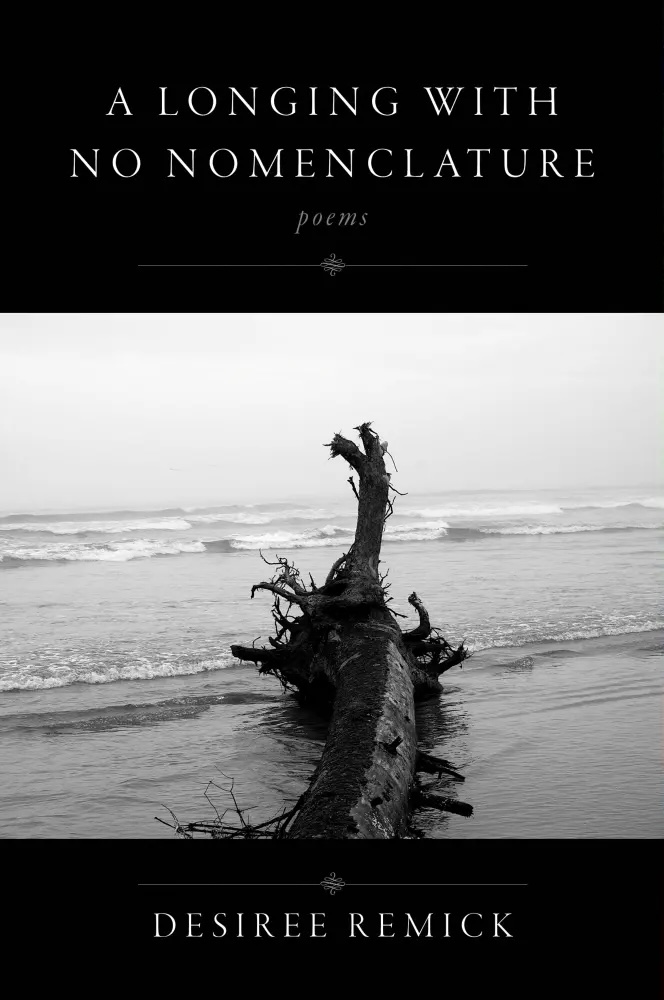
Through the distorting lens of language, A Longing With No Nomenclature explores the anxiety and sadness of living in a dysfunctional, threatened world—and tenacious hope that it will someday improve. Some of the poems are telescopes glimpsing a present/future of political violence, ecological destruction, and personal loss. Some are rear-view mirrors revealing a childhood spent in the lonely beauty of the wild. There are love poems in here, too, and dream poems, and poems written in hotel rooms in the middle of the night, and poems that steal from other poets and from advertisements. All of them long for something that cannot quite be named.
Saturday Morning Crusades, Karol Olesiak
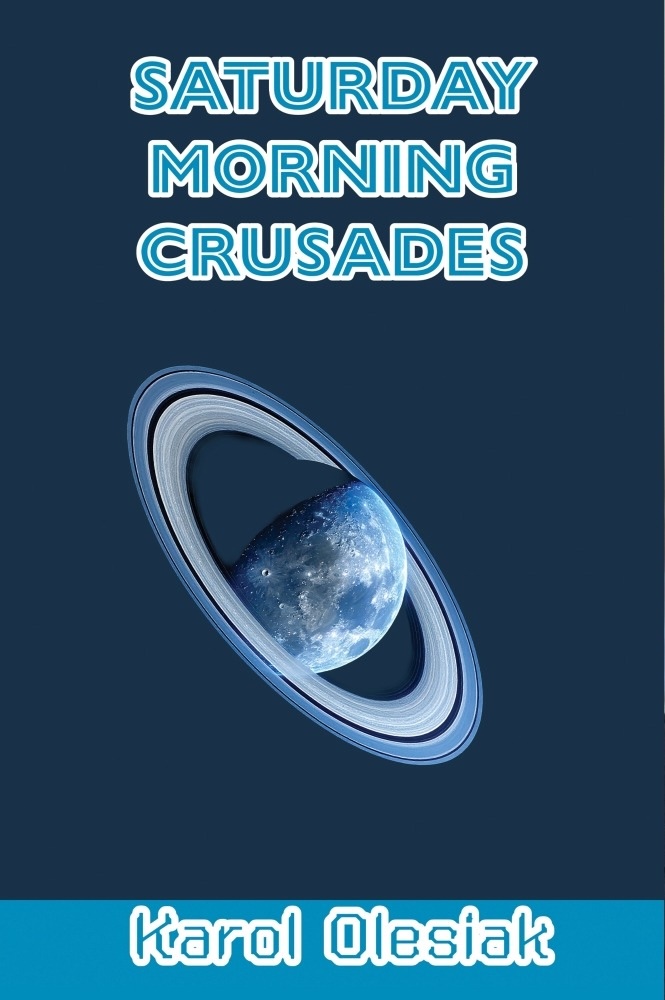
Saturday Morning Crusades is a playful yet piercing collection that reimagines childhood cartoons, pop culture relics, and myth through the lens of memory, trauma, and survival. From Muppet Babies dreamscapes to idiomatic bestiary haikus, the poems blur absurd humor with elegiac weight, exploring war legacies, ecological collapse, illness, and the surreal rituals of daily life. Saturday morning turns innocence into a battleground of identity and history, where cartoon archetypes collide with existential dread and longing. Both intimate and mythic, the collection interrogates nostalgia while forging new language for grief, resilience, and the strange joy of persistence.
Further Authentic Stories of Half-Ladies, Isabel Cristina Legarda
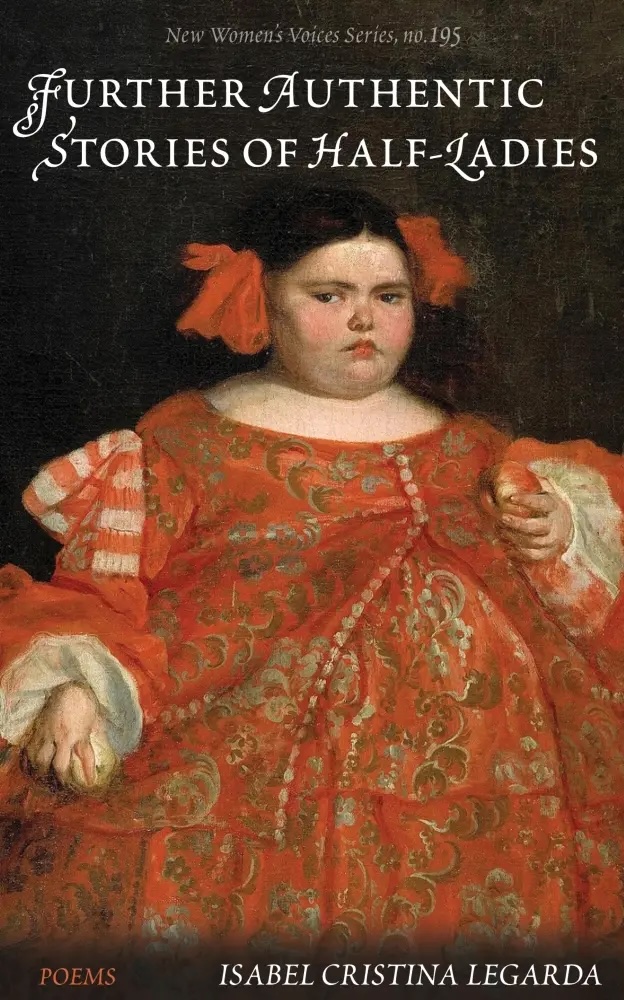
At once provocative, transgressive, and elegiac, Further Authentic Stories of Half-Ladies dares to examine the embodied experience of women and girls who have been put on display—Sarah Baartman, Julia Pastrana, Afong Moy, Eugenia Martinez Vallejo, and ballet students at the Paris Opera of the 1880s. Among collages and poems voicing their lived experience are other poems that contemplate the body itself—its components, its vulnerability, the study of its inner workings, and its meaning. By intimately connecting outer world realities of systemic injustice, exploitation, and cruelty with deep inner realities of trauma and resilience, this collection resists injustice, protests erasure, and vividly brings to life the longings, desires, fears, and endurance of women whose stories must not be forgotten.
La Otra Cara, Dahlia Aguilar
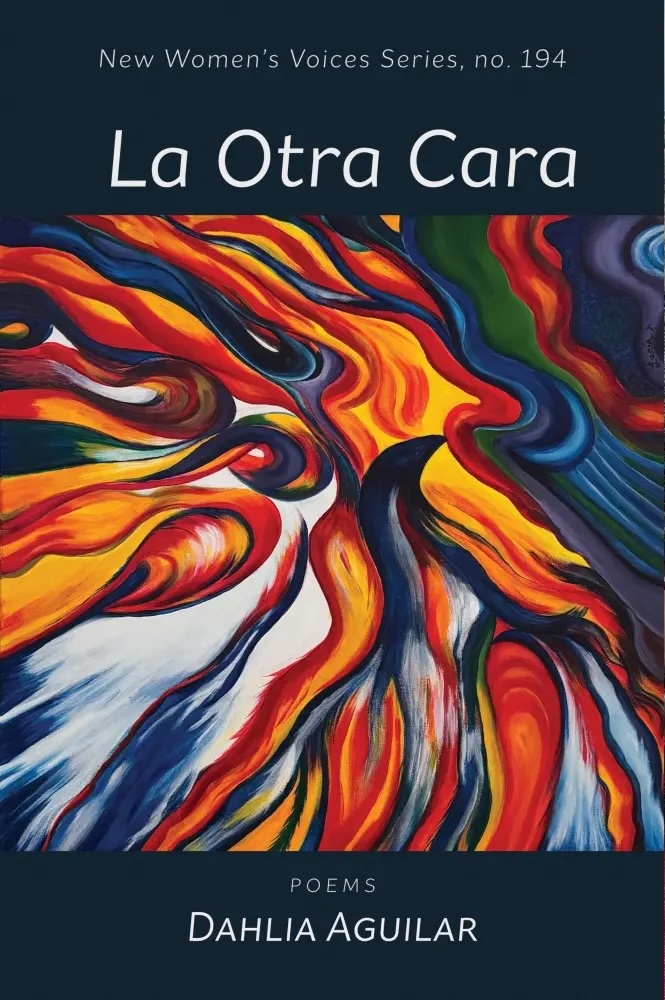
La Otra Cara, a debut collection by Dahlia Aguilar, is a collection that plays with recollecting and forecasting the climate of our times. From barbed wire in the Rio Grande to children harvesting shad to revive the Anacostia River, her poems explore how the past binds us to the suffering of our ancestors as much as it links us to their brilliance and resistance. From poems coded with the DNA of oppression, to those imprinted with the music of loved ones, La Otra Cara rounds the soft melody of song and the rough edges of insult to birth the understanding of self. In her work memory opens one eye for what is lost and and the other for what lies ahead. In focus, her poems celebrate our nature as one of rebellion, resistance, and a map through. This book is for anyone rocked by the imbalance of our days and, despite all life’s messy endings, open to hope hard.
Cassandra On The Spectrum Visions From A Neon Mind, Carole Johnston
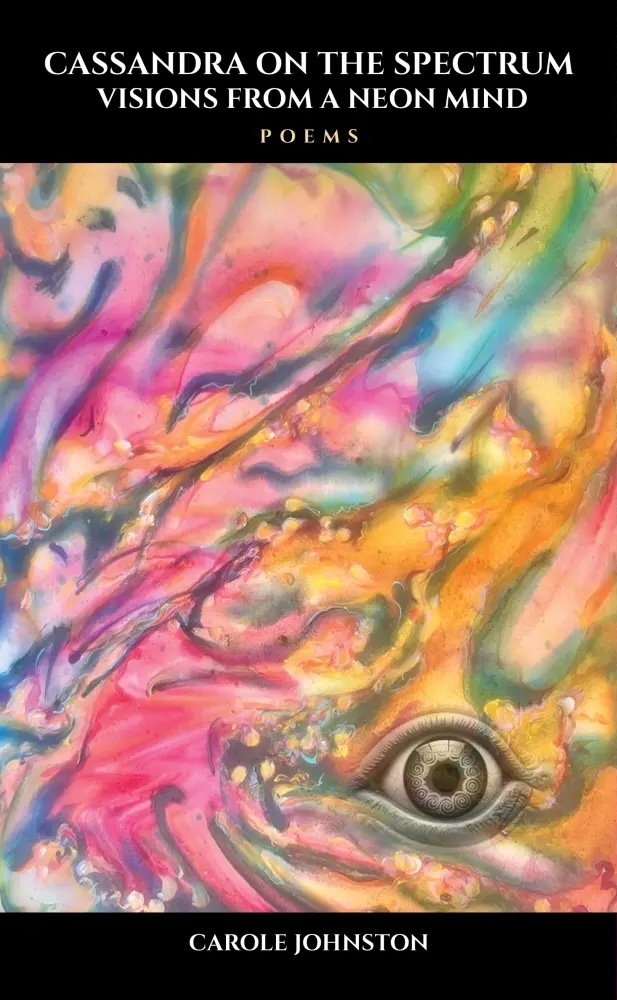
Cassandra On The Spectrum is a celebration of neurodiversity, honoring the infinitely possible colors of the human mind. Like many adults who are diagnosed with autism, Carole Johnston experienced a rush of enlightenment, realizing the reasons for her life as an outsider, who loves being outside the norm, living inside her own, unique vision. These poems delve deep into the well of experience and image. They invite the reader to see as the poet sees, to understand what she, has often struggled to explain to others, and to see how angst and anger transform to joy. Like Cassandra, a seer in Ancient Greek Mythology, the poet shares pain of being misunderstood and she shares excitement of finally understanding herself, always writing poems in her own imagist style.
delivering a body, Tianee Harris
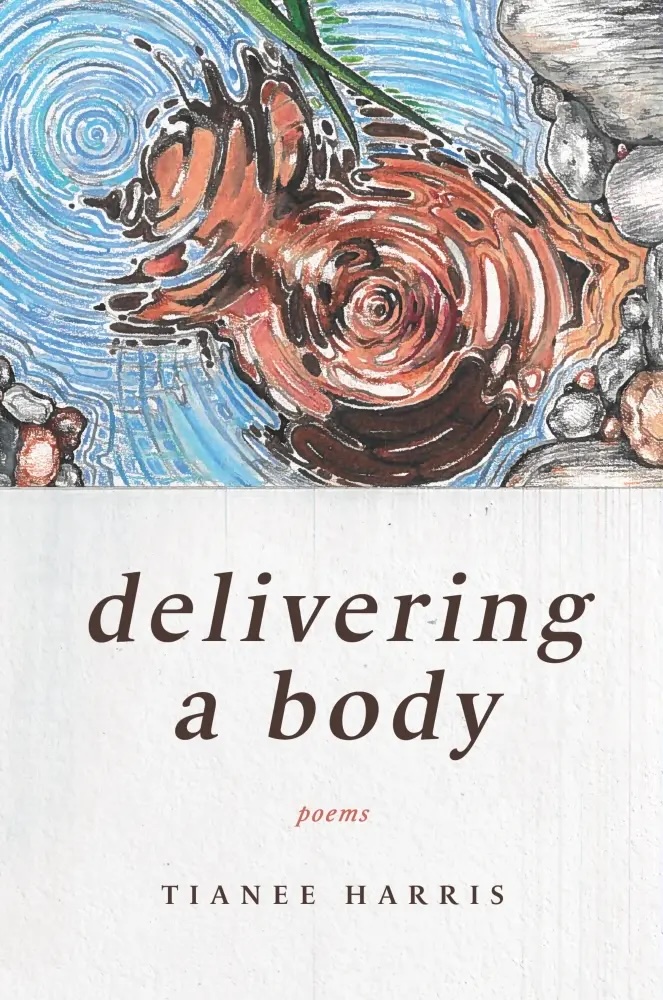
delivering a body is a visceral poetry collection exploring grief after miscarriage and abortion, where womanhood, motherhood, sex, and survival converge. Moving through ritual, labor, intimacy, and the natural world, these poems trace the body’s attempt to make meaning in the wake of loss and identity rupture. At its core, the collection examines acceptance, spiritual reorientation, and what forgiveness can become when it is shaped not by religious doctrine, but by lived experience. Written in resistance to silence, delivering a body gives voice to the grief so often carried privately — offering recognition, witness, and return.
As My Father Lay Dying, Jessica Weyer-Bentley
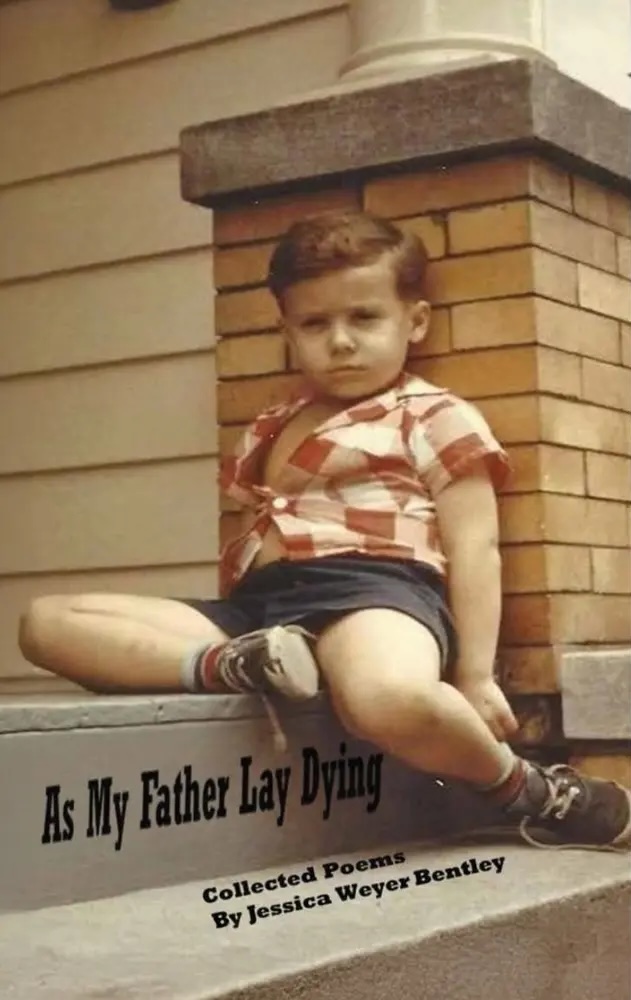
As My Father Lay Dying is a love letter in poems of grief for a father whose life was taken so tragically young. The work gives an in depth look of a visceral reckoning of a daughter with profound loss. The chapbook reveals the raw emotion of an individual as they try to navigate the world through grief’s lens. The poetry within these pages is a snapshot of what 12,000 families a year endure when they lose a loved one to impaired driving crashes.
Sea Legs, Johnny Horton
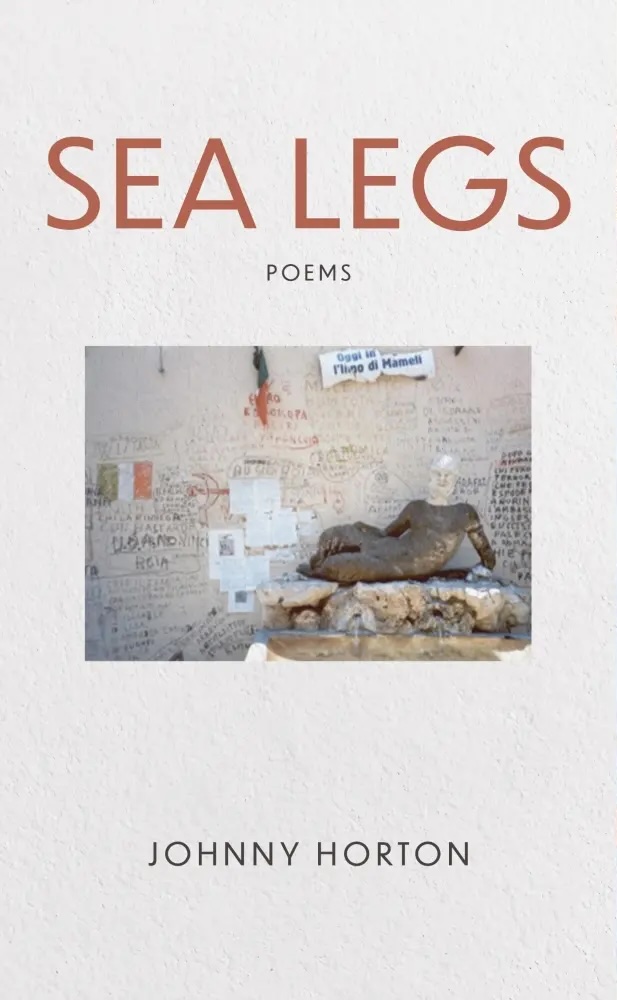
Johnny Horton’s debut collection, Sea Legs, asks us to reflect on the ways we learn to survive in an unsteady and often unsafe world. Moving through subjects like gun violence, family trauma, religious existentialism, or fleeting romance, the poems question whether we construct the myth of ourselves through lived experience and hardship, or if who we are is largely inherited, shaped by forces beyond our control. The associative nature of Horton’s poetry pulls you through a range of unexpected connections, moving from naturalist facts like “The paper nautilus loses his penis while making love,” to irreverent moments, like psychoanalyzing Julius Caesar’s Oedipal dreams or pointing out the drag show on display in the Sistine Chapel. Across twenty-three poems, Horton offers a mind in flux, never fully certain of what it believes. The collection’s underlying angst is tempered by his exploration of Roman antiquity, Greek mythology, American pop culture, and science. By the end of Sea Legs, you come away with a heightened awareness of the natural world, deeper empathy for human struggle, and a sharper sense of how unstable the idea of the self can be.
Don’t see a poetry chapbook published between 9/1 and 9/30 here? Contact us to let us know!
Contents
“I always feel like I have so much to say to my mother and in this poem, I selected a few memories to share. In a way, this creative choice is symbolic of waving my white flag…” Read three poems by Natalie Zhang, along with a few words about “Flagship.”