
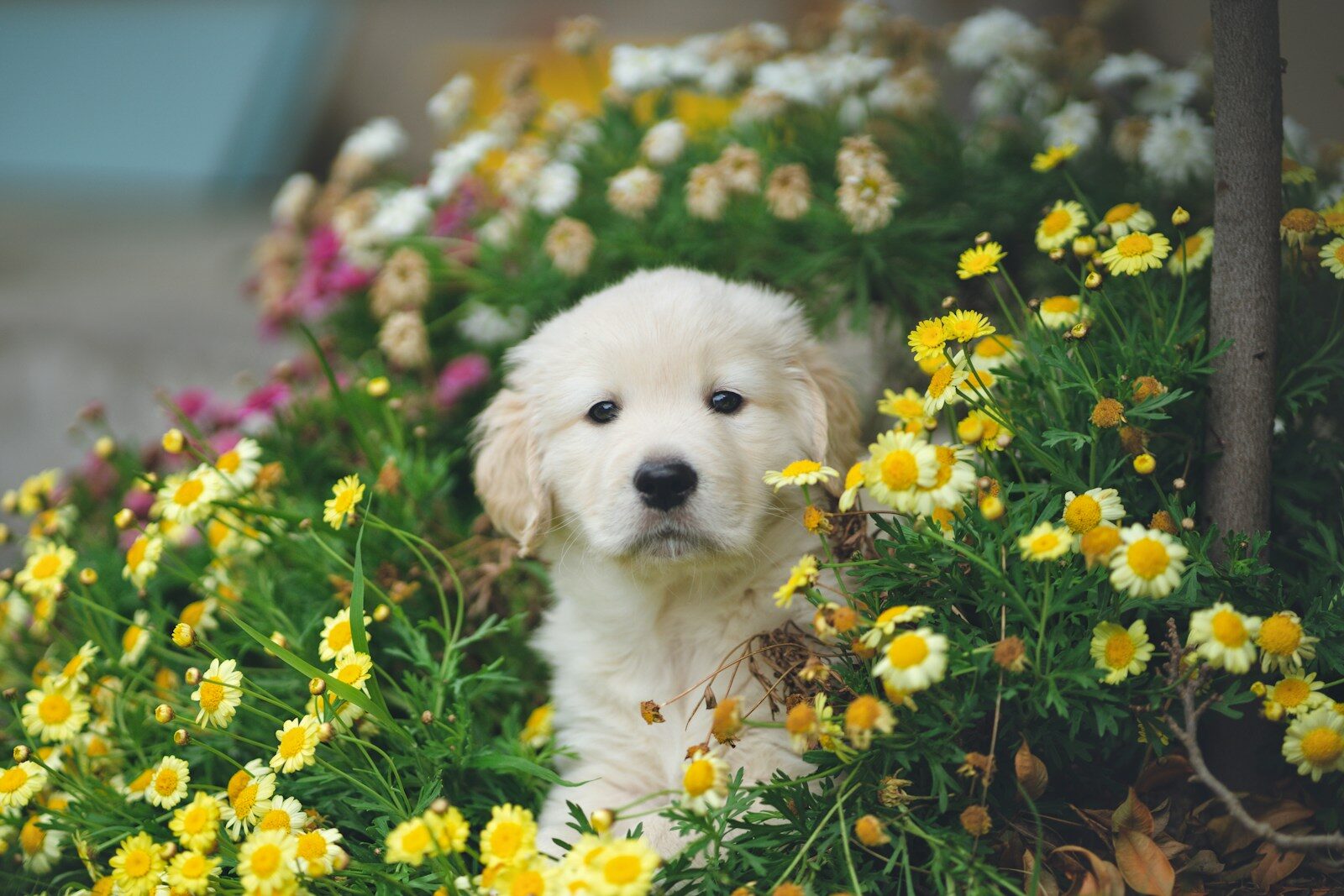
Philly Chapbook Review is pleased to present our first piece of original fiction, and the first of three stories for the Summer 2026 issue.
Nova
In the pictures, your eight-year-old hands are around Cutie’s neck.
Not tight enough to choke her. Not visibly. You are smiling in the Christmas-tree light, cheek pressed into the fur of the dog you had waited two years to get, the dog your parents finally gave you after the street dog was claimed by its real owners, after the fish, the turtle, the blueberry tree, the plush pup from Santa. In the pictures, you are proud. Only later can you see your hands.
Your father threw socks at her. You copied him because it worked. Fear, in a child’s house, could pass for training. She flinched and you mistook it for understanding. You got bored of fetch when ownership meant scooping the yard. You hated the smell. You left it to your parents once the wanting had worn off.
Years later, in graduate school, you keep your boyfriend’s baby bunny, Nova, in your cramped studio while he studies abroad. By the second day, the apartment is hers. Slick black, luminous, she wriggles out of your arms and returns to them. She settles against you during Zoom lectures, her pea-sized heart tapping your chest. Off camera, she noses the desk legs, the slippers, the edge of everything.
On the fourth morning, she is on her side. Her breaths come short and wet. Her fur has gone ashen. She had not looked sick the night before.
The nearest specialist hospital is ninety minutes away. You rush her there with one hand on the carrier. After the triage, the vet says rabbits are fragile, babies even more so. He suspects liver torsion. He cannot operate on one this young. You plead anyway. A nurse puts you in a room.
Alone, you hear Nova scream.
Then her head goes slack.
By the time the doctor returns, he can only press a scope to her chest and tell you what her body has already said. He carries her away in a blanket.
Back in the studio, the cage is still there. The bow you bought for her still looped in its wrapper. The alfalfa shedding green dust. The bottle dripping onto the wire.
Two days later, you get a perfect score on the final. The three numbers hang on the grade portal. Only then do you call your boyfriend. For forty-eight hours, you had rehearsed the sentence: Nova died. Each version made you the person who had let her.
The next morning, arched over the sink popping a pimple, you see the carrot plush under the bed. Your boyfriend had given it to you for the Year of the Rabbit: orange for protection, orange because a fortune teller had warned your animal year would be hard. You sleep with it that night. You do not like carrots. Earthy. Cold. Hard.
For days it slouches on the bed. Then it slides to the floor.
When you lift it, a pale hair clings to the orange seam. Not Nova’s. Longer, coarser, almost white.
Cutie.
You have been gone three years, long enough for her to become a senior dog in your parents’ house: not unwanted, not exactly, but no longer easy to want. Accidents. Cataracts. Kidney food. No teeth. Her tongue stuck out lopsided. When you open the door, she hops around your legs, tail wagging, ecstatic with an old dog’s unreasonable faith.
You want to apologize in a language she could enter. All you have are hands.
The vet says she has no more than a year. The next weekend, you bring her to campus.
You fail at first. Three meals, not one bowl left out all day. Water before it clouds. Wet food before it crusts. Baths before anyone has to say she smells. You learn how to hold her slippery body in the tub without making your grip another collar. You learn which pills hide in which food, how many steps she can manage before you lift her, how to wake when her nails click against the floor.
At night, she sleeps near you, but not against you. She looks through you with her clouded eyes. You dim the lights and climb into bed with the carrot, its orange body warm from your hands.
Sometime before morning, Cutie climbs onto the bed. She turns once, lowers herself carefully, and settles on your arm. Her snore is soft, irregular. You lie still beneath her, fingers prickling, afraid to move. By morning, your arm has gone numb.
About the Story
‘Nova’ is a lyrical second-person story about the narrator’s first true encounter with death. The sudden loss of a baby rabbit reveals life’s fragility and sends her back to Cutie, the aging childhood dog she failed to cherish as a child. Through the recurring image of hands—first grasping, then caressing—the story presents loss not as beautiful in itself, but as the place where beauty begins.
Contributor Bio
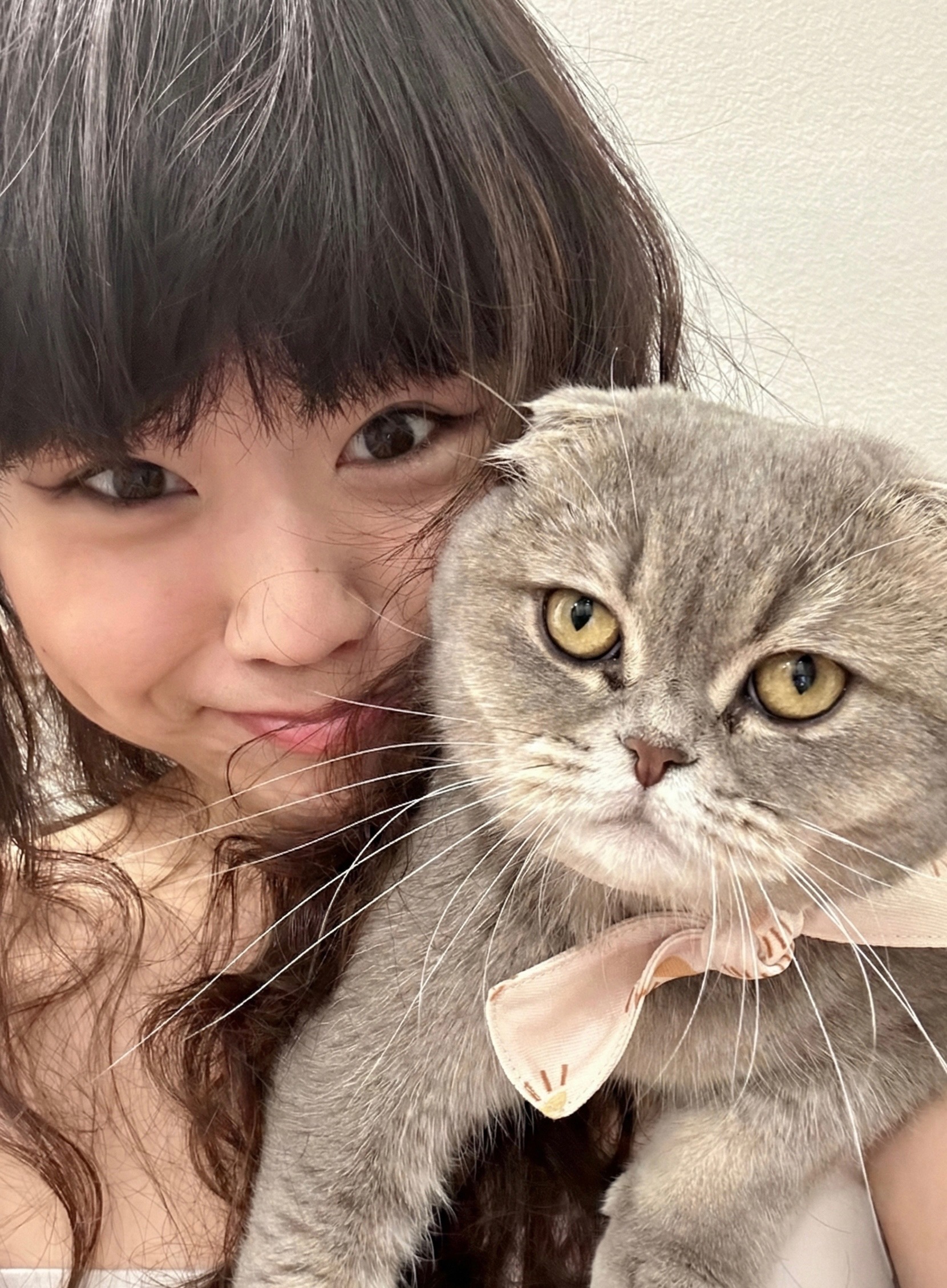
Kimmy Chang is a McKinney-based writer and computer-vision engineer. A 2026 Writers’ League of Texas Fellow and Pushcart Prize nominee, her work has appeared or is forthcoming in Apple Valley Review, Qu Literary Magazine, The Lascaux Review, and trampset, among others.
Contents
“This language offers one possible framing through which to appreciate the law’s capacity to hope for, request, and even command commitment to a more just future.” Read two poems by Maggie Wang, our first biweekly poet of the Summer 2026 issue, along with a few words about “Possibilities for Action.”
Chapbook Poem: I’ll Never Look This Good Again by Douglas Piccinnini
“[The poem] came out of real pressure: despair, worry, and grief I wanted to hold unflinchingly, alongside the anxiety of becoming a parent… For me the poem became a meditation on all the feeling that surfaces precisely when we’re told to feel only joy.” Read an excerpt from Douglas Piccinnini’s chapbook, House of Bad Memories, along with a few words from the poet.
“She sees herself in carbon, the element that bonds with almost anything- not because it wants to, but because it has empty spaces and things keep showing up to fill them. Notifications. Noise. Needs that never stop arriving.” Read four poems by Joely Williams, our second biweekly poet of the Summer 2026 issue, along with a few words about “Single Mother Considers the Periodic Table.”
ADHD in a Non-ADHD World: on Undersight by Alison Hurwitz
“[Hurwitz] shares moments of angst and moments of awe. More than that, there are moments of deep recognition. She sees herself in [her sons] and, in fact, receives a later-life ADHD diagnosis of her own.” Read the full chapbook review by new contributor, Nancy Murphy.
“The woman’s head & hair are lavishly dressed. I probably leapt off the logic of the hairdresser being blind and therefore had to work on the head/body/mind rather than just hair as a surface issue of presentation.” Read two poems by Irene Cunningham, our third biweekly poet of the Summer 2026 issue, along with a few words about “The Blind Hairdresser.”
Flash Fiction: Nova by Kimmy Chang
“‘Nova’ is a lyrical second-person story about the narrator’s first true encounter with death…the story presents loss not as beautiful in itself, but as the place where beauty begins.” Read the first original fiction piece of the Summer 2026 issue, “Nova” by Kimmy Chang.
“To fit the nuanced, dimensional experience of dysphoria and transition into narrative…often feels flattening, falsely assured. I wanted to look at this discomfort I felt, to see what was necessary in it.” Read three poems by Joshua Zeitler, our fourth biweekly poet of the Summer 2026 issue, along with a few words about “Cobbling.”
Excerpt: “On the puzzle still inside my head” by Truong Tran
“I am trying to excavate memories. I am trying to negotiate the difficult realities of existing as a brown man in this country and within the consciousness of white America.” Read an excerpt from Truong Tran’s forthcoming book from City Lights, How to Exi(s)t: A Poet’s Memoir.
“These poems try to make sense of how I arrived at a life that probably seems well thought-out, but has been one reactionary choice after another.” Read three poems by A.R. Dugan, our fifth biweekly poet of the Summer 2026 issue, along with a few words about “Sleeptalking.”
Original Fiction: Muse by Somtoo Celestine Ezioha
“What I tried to trace was the underside. How watching someone closely for long enough becomes a substitute for approaching them.” Read the second original fiction piece of the Summer 2026 issue, “Muse” by Somtoo Celestine Ezioha.
“After childbirth, my body became a site of criticism rather than something to be celebrated for what it had endured and created. Writing this became a way to confront that experience…” Read three poems by Tanya Tuzeo, our sixth biweekly poet of the Summer 2026 issue, along with a few words about “i get Botox.”
“Through images of a familiar street, personal belongings, and a figure suspended in time, the poem considers absence, remembrance, and the quiet ways we continue searching for those who are gone.” Read two poems by Aardhra Chandran, our seventh, and final, biweekly poet of the Summer 2026 issue, along with a few words about “Street View, 2021.”
Original Fiction: Aletheia by Kalliste Hardy
“Each fragment opens a door to the unsaid or the forgotten, letting language bruise and bloom. It is a study in red, in inheritance, in language, and of the quiet haunt of becoming.” Read the third, and final, original fiction piece of the Summer 2026 issue, “Aletheia” by Kalliste Hardy.