Philly Chapbook Review is pleased to present four original poems by Joely Williams as our second biweekly featured poet of the Summer 2026 issue.
Poems
Magnolia Pantoum
The magnolias here bloom without asking permission.
I was not consulted about this landscape or its rules.
Every morning the white insists on itself, enormous.
I learn the names of local birds I will not remember.
I was not consulted about this landscape or its rules.
Still I have learned which checkout lane moves faster.
I learn the names of local birds I will not remember.
My grandmother’s birds had different names in Spanish.
Still I have learned which checkout lane moves faster.
I switch languages at the counter without deciding to.
My grandmother’s birds had different names in Spanish.
Naming things the way things are named when you intend to keep them.
I switch languages at the counter without deciding to.
This is not translation. This is the body being careful.
Naming things the way things are named when you intend to keep them.
The magnolia does not care what I call it. It blooms anyway.
This is not translation. This is the body being careful.
Every morning the white insists on itself, enormous.
The magnolia does not care what I call it. It blooms anyway.
The magnolias here bloom without asking permission.
Mother Tongue, Inventory
The word for the smell of rain on hot pavement is petrichor in English and in Spanish there is no single word, only the description, only el olor a tierra mojada, the smell of wet earth, which is more honest because it names what is actually happening instead of giving it a Greek mask and calling that precision.
I counted once. In a single day I switched languages eleven times: three times at work, twice on the phone with my mother, once in the supermarket when I could not remember the English word for achiote and the woman behind me sighed. I found it. She sighed again. The achiote did not have an opinion.
What switches is not the language. The language is just the surface. What switches is the part of the body that decides how much space to take up, how loud, how certain, how much to preface and how much to explain. In Spanish I do not apologize before I say what I mean. In English I have learned to apologize before I say what I mean and sometimes after and sometimes instead.
My daughter asks me what language I dream in. I tell her: both, and neither, and the third one that has no alphabet, only the body at 3 a.m. knowing something is wrong in a room two doors down before the sound starts.
There is a word in Spanish, desvelada, for the state of having been kept awake, for the exhaustion that is specifically the exhaustion of someone who tried to sleep and the night refused. English has no single word for this. English says: I didn’t sleep well, which is the kind of sentence that forgets the night had its own intentions.
I am desvelada. I am the language that has no single word for this. I am both and neither and the third thing. I am making coffee. The kitchen fills with el olor a tierra mojada— the smell of wet earth, of morning, of the word that knows exactly what it is and does not need translation to mean it.
Single Mother Considers the Periodic Table
The most stable elements are the ones
that have already given everything away.
Noble gases: full outer shell, no valence electrons,
nothing left to bond, nothing left to lose.
I have thought about this more than is probably useful.
In high school chemistry I was told:
some elements want to give electrons,
some elements want to take them,
and this wanting is called valence
and it is the engine of everything.
I have been giving electrons since I was seventeen.
I have not checked my outer shell lately.
I am afraid of what the inventory would show.
Carbon bonds with almost anything.
This is called versatility in the textbooks.
My mother called it being the strong one,
which I accepted the way carbon accepts a bond—
not because it wants to
but because it has four empty spaces
and the molecules keep arriving.
My daughter is doing her homework at the kitchen table.
She is ten and she is learning about atoms
and she says: Mom, did you know
that most of what we’re made of is empty space?
I say: yes, baby. I know.
I do not tell her: this is why we hold each other.
I do not tell her: this is what the empty space is for.
The kitchen smells like sofrito.
I am, briefly, the most stable element.
I have everything I need to be inert.
I choose, instead, to bond.
What My Mother Kept
She kept the colander from before I was born.
She kept the photograph of her own mother at twenty-two.
She kept the address in her body long after she left it,
the way a bone keeps the memory of a break.
She kept a saint in a drawer she never explained.
She kept the recipes in her hands and not on paper,
which I understood as love and also as a test
I did not know I was taking until she was gone.
Now I am the keeper. The colander hangs on the left-hand hook.
The photograph is on the wall I face when I wake.
I do not keep a saint. I keep the drawer.
My daughter will inherit what I cannot explain:
the address still lives in the body, the hands that know
the recipe without being told. The keeping itself.
About “Single Mother Considers the Periodic Table”
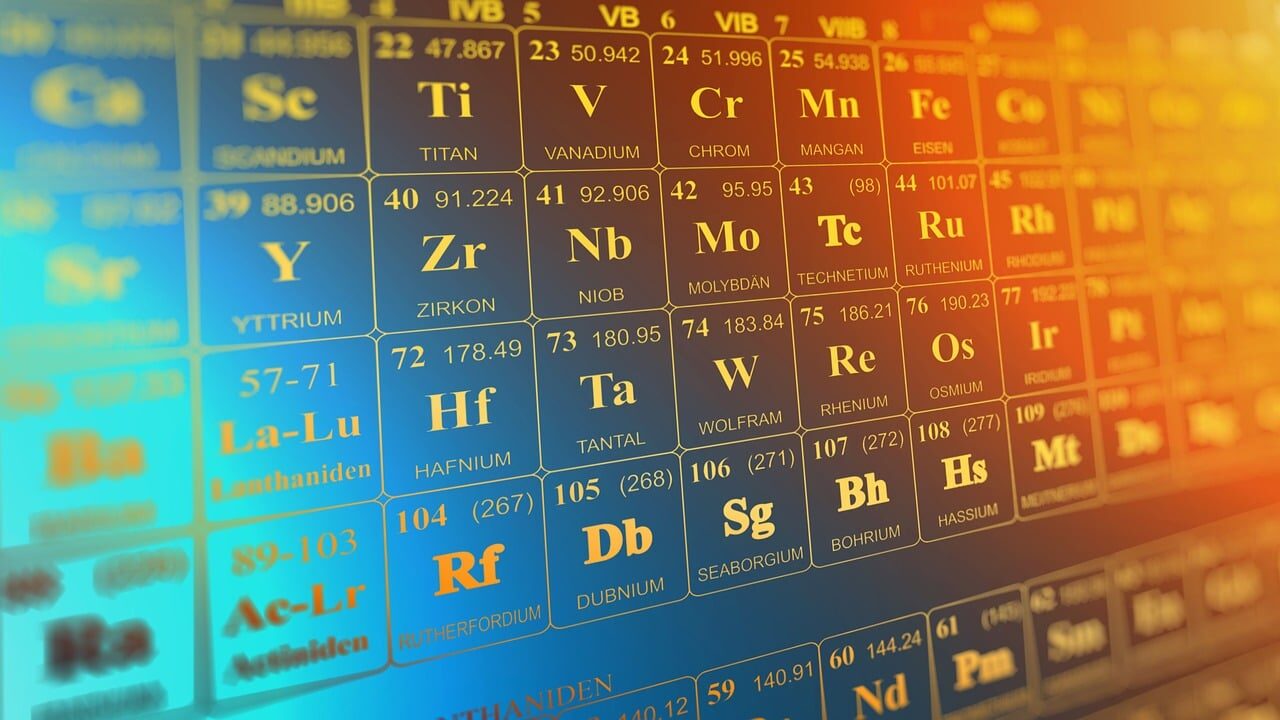
‘Single Mother Considers the Periodic Table’ starts with something surprising: the most stable elements on the periodic table are the ones that have already let everything go. From there, I wanted to take us somewhere chemistry class never did—into the life of a mother who has been giving pieces of herself since she was seventeen. I was thinking of my mother, and the mothers of my old neighborhood growing up in the Bronx. She sees herself in carbon, the element that bonds with almost anything- not because it wants to, but because it has empty spaces and things keep showing up to fill them. Notifications. Noise. Needs that never stop arriving. The poem shifts when her ten-year-old daughter looks up from her homework and says: did you know most of what we’re made of is empty space? The mother knows. She just doesn’t say what that space is for. The kitchen smells like sofrito. And somehow, even running on empty, she chooses to keep showing up—which is the whole secret of these women. Not that they never ran out. But that they kept bonding anyway. That is what makes them the most stable element in the room.
Author Bio
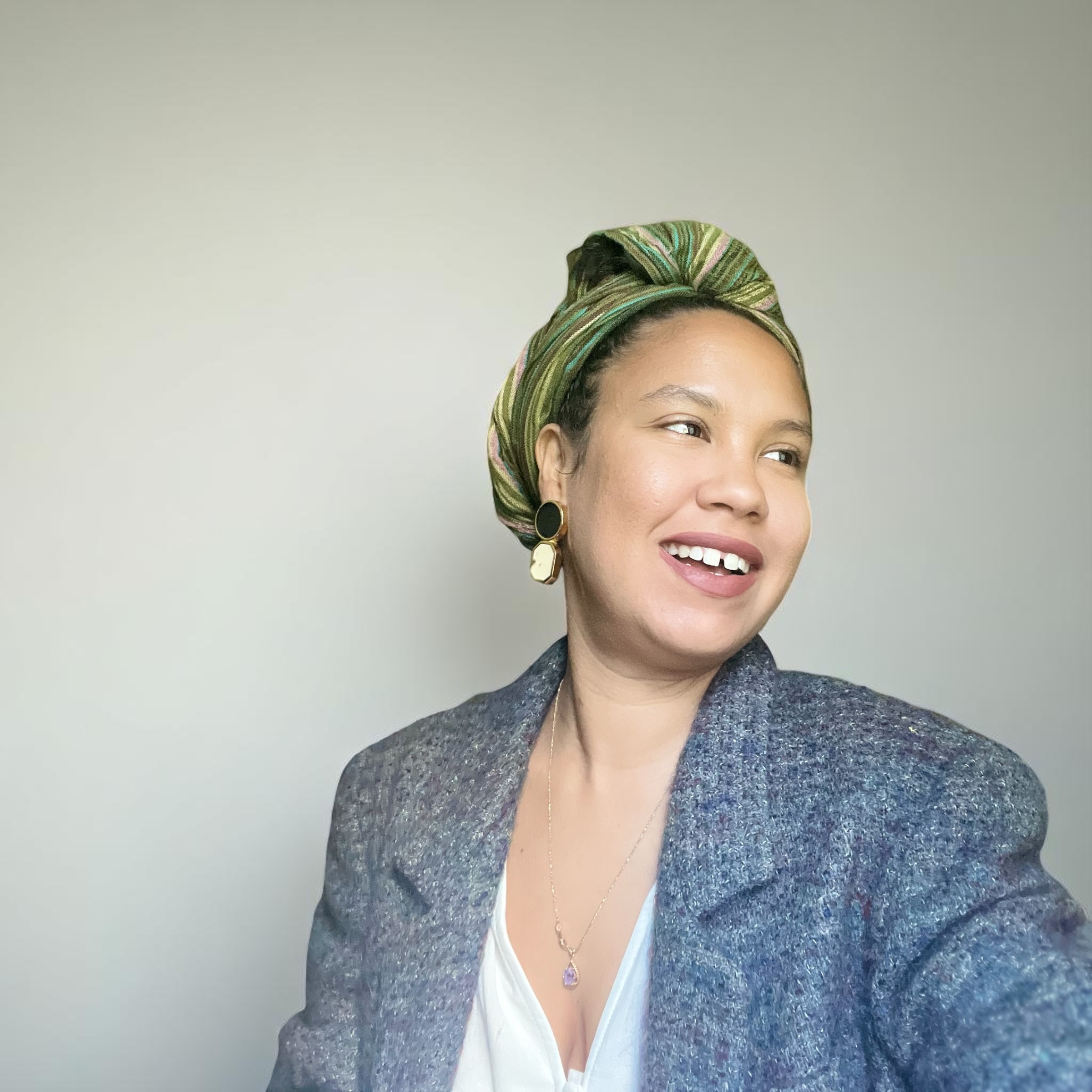
Joely Williams (she/her) is a Puerto Rican, Bronx-raised poet and multidisciplinary artist. Her work explores identity, survival, state violence, and cultural memory. She is the author of Put the Phone Down, We Have a Job to Do and Even the Spider Keeps Records. Widely published in journals including Last Stanza and In Parentheses, Joely lives in the South, where her writing bridges urban grit with ancestral history. Connect on Instagram @poems_neverdie.
Contents
“This language offers one possible framing through which to appreciate the law’s capacity to hope for, request, and even command commitment to a more just future.” Read two poems by Maggie Wang, our first biweekly poet of the Summer 2026 issue, along with a few words about “Possibilities for Action.”
Chapbook Poem: I’ll Never Look This Good Again by Douglas Piccinnini
“[The poem] came out of real pressure: despair, worry, and grief I wanted to hold unflinchingly, alongside the anxiety of becoming a parent… For me the poem became a meditation on all the feeling that surfaces precisely when we’re told to feel only joy.” Read an excerpt from Douglas Piccinnini’s chapbook, House of Bad Memories, along with a few words from the poet.
“She sees herself in carbon, the element that bonds with almost anything- not because it wants to, but because it has empty spaces and things keep showing up to fill them. Notifications. Noise. Needs that never stop arriving.” Read four poems by Joely Williams, our second biweekly poet of the Summer 2026 issue, along with a few words about “Single Mother Considers the Periodic Table.”
ADHD in a Non-ADHD World: on Undersight by Alison Hurwitz
“[Hurwitz] shares moments of angst and moments of awe. More than that, there are moments of deep recognition. She sees herself in [her sons] and, in fact, receives a later-life ADHD diagnosis of her own.” Read the full chapbook review by new contributor, Nancy Murphy.
“The woman’s head & hair are lavishly dressed. I probably leapt off the logic of the hairdresser being blind and therefore had to work on the head/body/mind rather than just hair as a surface issue of presentation.” Read two poems by Irene Cunningham, our third biweekly poet of the Summer 2026 issue, along with a few words about “The Blind Hairdresser.”
Flash Fiction: Nova by Kimmy Chang
“‘Nova’ is a lyrical second-person story about the narrator’s first true encounter with death…the story presents loss not as beautiful in itself, but as the place where beauty begins.” Read the first original fiction piece of the Summer 2026 issue, “Nova” by Kimmy Chang.
“To fit the nuanced, dimensional experience of dysphoria and transition into narrative…often feels flattening, falsely assured. I wanted to look at this discomfort I felt, to see what was necessary in it.” Read three poems by Joshua Zeitler, our fourth biweekly poet of the Summer 2026 issue, along with a few words about “Cobbling.”
Excerpt: “On the puzzle still inside my head” by Truong Tran
“I am trying to excavate memories. I am trying to negotiate the difficult realities of existing as a brown man in this country and within the consciousness of white America.” Read an excerpt from Truong Tran’s forthcoming book from City Lights, How to Exi(s)t: A Poet’s Memoir.
“These poems try to make sense of how I arrived at a life that probably seems well thought-out, but has been one reactionary choice after another.” Read three poems by A.R. Dugan, our fifth biweekly poet of the Summer 2026 issue, along with a few words about “Sleeptalking.”
Original Fiction: Muse by Somtoo Celestine Ezioha
“What I tried to trace was the underside. How watching someone closely for long enough becomes a substitute for approaching them.” Read the second original fiction piece of the Summer 2026 issue, “Muse” by Somtoo Celestine Ezioha.
“After childbirth, my body became a site of criticism rather than something to be celebrated for what it had endured and created. Writing this became a way to confront that experience…” Read three poems by Tanya Tuzeo, our sixth biweekly poet of the Summer 2026 issue, along with a few words about “i get Botox.”