Due to difficulties in obtaining information in advance of chapbook releases, chapbook listings for the previous month are published at the end of each month. This post contains information about poetry chapbooks that we know about published during May 2026.
Information, including product descriptions, is provided by the publisher and not a critical judgment. If we cover the book on this site, links will be included.
Whittle Micropress
VOIDGAZING, mk zariel
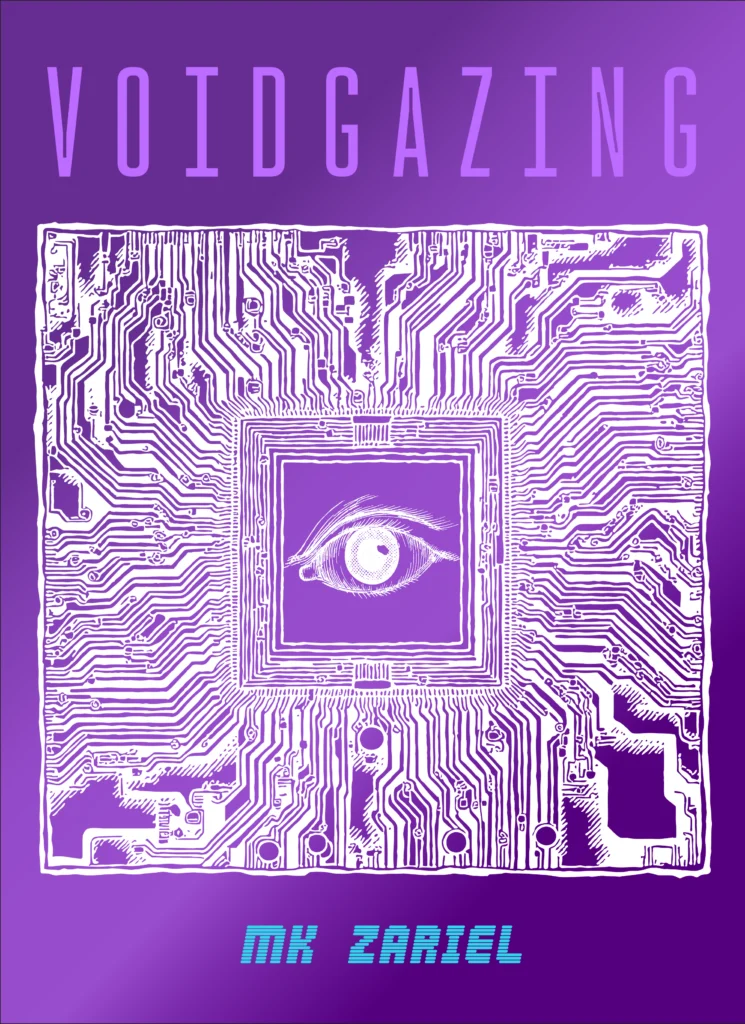
mk zariel {it/its + masc terms} is a transmasculine neuroqueer theater artist, Best Of The Net and Monarch Award nominated poet, movement journalist, and BashBack! aligned anarchist translocally rooted in the Great Lakes region. The author of DIFFERENT WITH HIM (Rockwood Press, 2026) and BOY APPARITION (Vinegar Press, 2025), it creates conflictual spaces for trans survival and queer desire. BashBack! remains close to its heart, as do anarchonihilism/egoism, experimental theater, and the defiant tenderness of queer collectivity.
Small Harbor Publishing
Redapples falling still, Sneha Subramanian Kanta
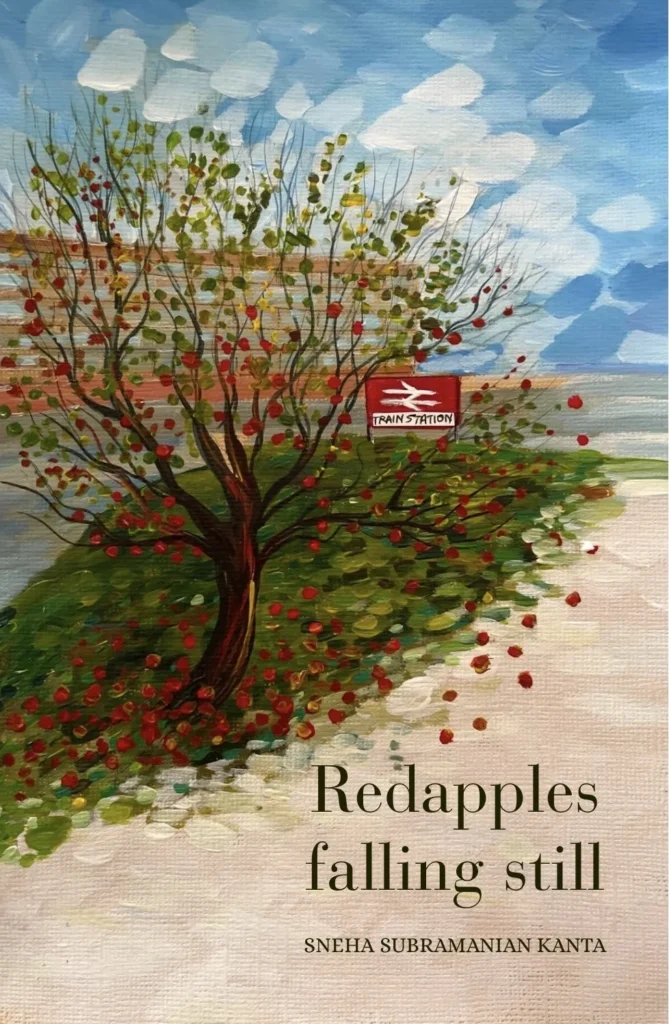
In Redapples falling still, Sneha Subramanian Kanta weaves the lyric in inventive form and as archival history as a multilingual creator. When Tamil and English intersect, they create a ritual of vocabulary which extends into memory as an ode. In these poems, Kanta illuminates that which creates a family, from synecdoches of food, prayer, and song. This collection is a praise for fathers and the instrumental role they play in a family.
Bull City Press
Animal Logic, Arah Ko
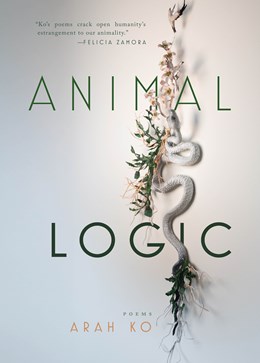
Both hymn and howl, Animal Logic speaks in the language of survival. Arah Ko concerns herself with how our world’s glorious flora and fauna are watched, hunted, cared for, named, ready “to add them to the past and future bestiary, that record we living keep for the dead.” These poems— which consider the drift of jellyfish and the soar of blackbirds— are “built for threat, recoiling from bear caves, cleaned bones, venomous tongues.” In equal measures a work of ecocriticism and a study of human behavior, Animal Logic witnesses. It remembers. It resists.
Parlyaree Press
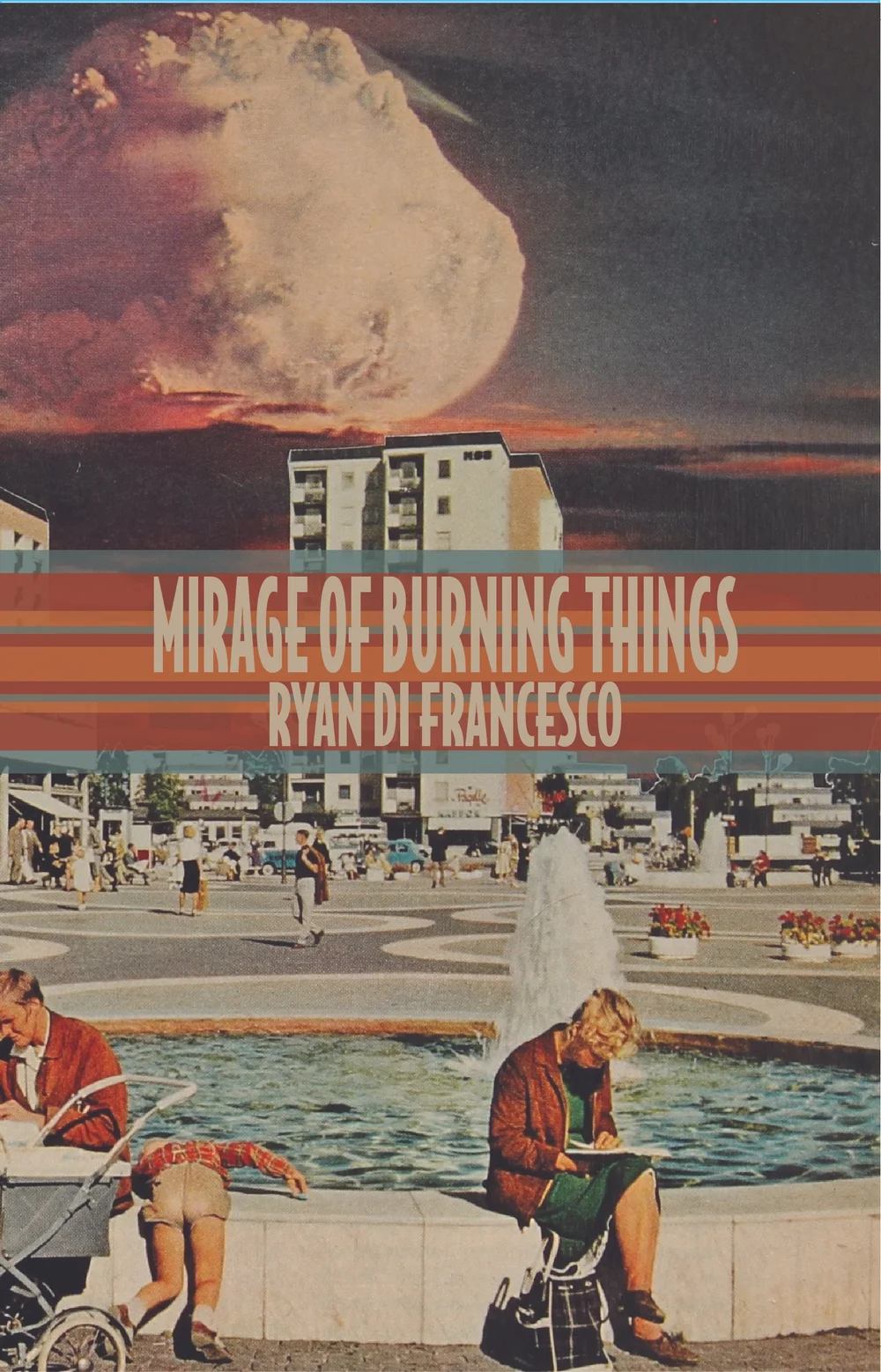
Mirage of Burning Things, Ryan Di Francesco
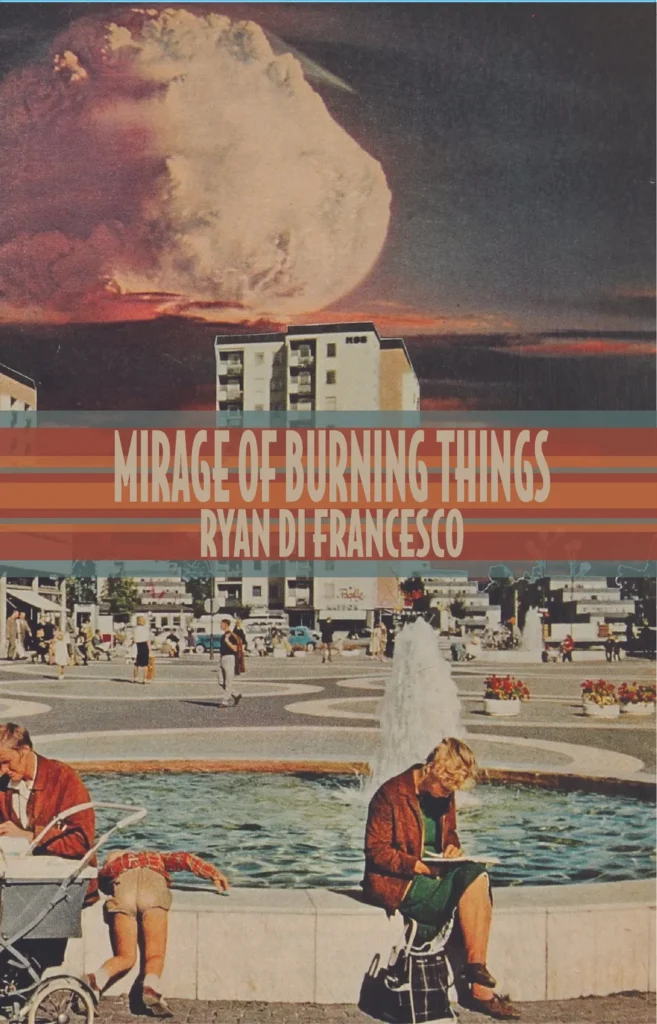
In this lyric exploration of contemporary urban life at its most fragile and uncanny, Ryan Di Francesco presents the poet as narrator witnessing-and surviving-the quiet violence of everyday life.
These poems move through cities, encampments, late-night streets, industrial ruins, and intimate interiors, tracing the emotional and physical debris of living in a collapsing world.
Explorations of homelessness, addiction, insomnia, and environmental breakdown meet the tenderness of impossible places and the surreal hallucinations of modern fatigue.
Antiphony: a journal & press
Patternation, Shira Dentz

The poems in Shira Dentz’s Patternation exist “in a field far from human voice.” They move, rather, deep inside the voice of birds, in a place far from artifice; they dangle, “whale-like”, in a place where “life hasn’t yet hardened.”
Apophenia, Jan Clausen
Written in 2025, this sequence constitutes a surreal, often lyrical “journal of consciousness,” offering a series of vertiginous perspectives on contemporary life: “Don’t tell the devouring goddess/Death too’s a sort of miracle.” Pieces are in a syllabic form, the 478, devised by the author based on a yoga breathing practice. They register seasonal changes, sensory phenomena, political cataclysms, dream fragments, fantasy projections, appeals to the spirit world. Plots, hinted at but ultimately elusive, function as trellises supporting tendrils of free association. Meant to have the resonance of song lyrics or nursery rhymes, the work will benefit from being read aloud.
Finishing Line Press
Inept Love, HR Harper
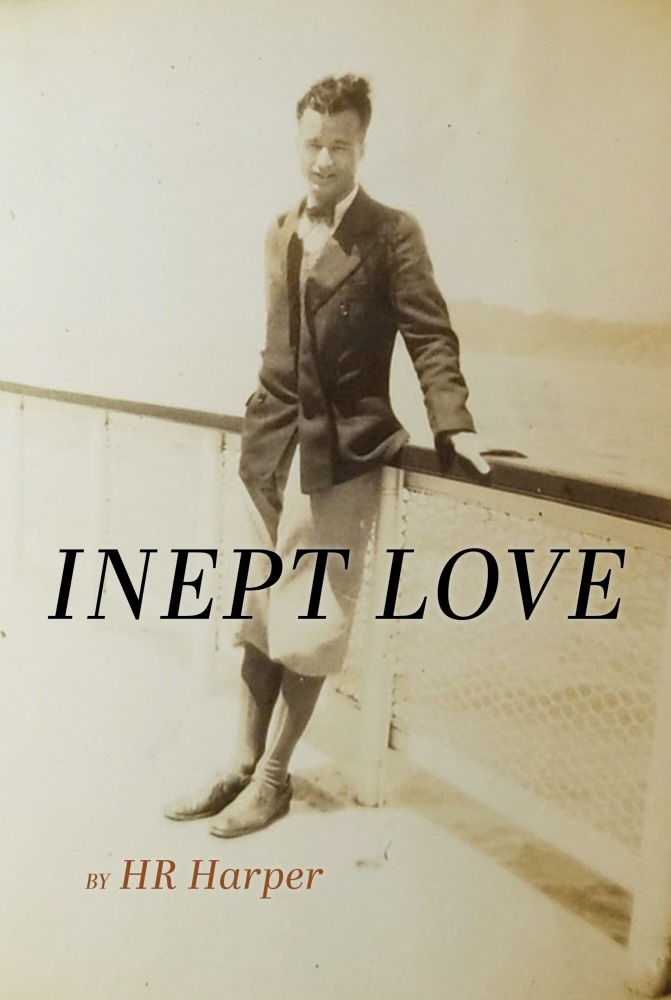
Inept Love is a collection of ruminations on the kinds of love. Although often couched in the particulars of relationship, the poems report on the experience of being alive in the current world, a world of impermanence and confusing transitions. Modern love is, by definition, a struggle to maintain. The world moves forward, and each movement brings us closer to an end. Courage in the face of endings is the way love is shared, and we all, no matter what our flavor of love is, are only partially courageous. Loving, inept or not, is the engine that drives us, that reminds us of the privilege of being alive, alone and together.
Diaspora, Sheri Reda
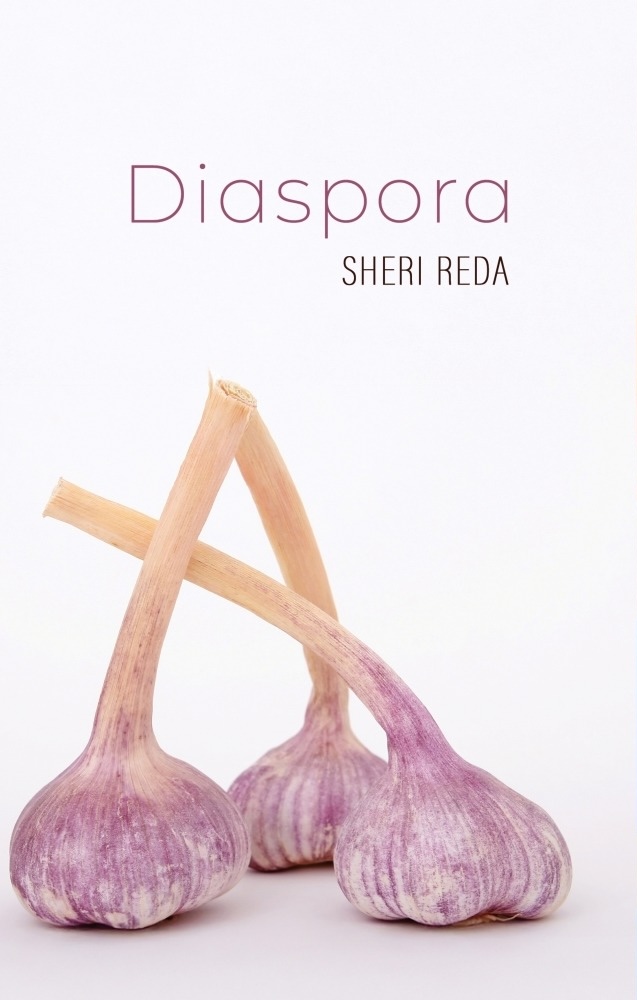
Diaspora reflects on immigrant ancestors, the starving worlds they left behind, and the adopted communities they scrambled so gamely to build. It uses direct language and vivid imagery to honor both ancient roots and modern aspirations, while observing—with love, humor, and occasional horror—the way tensions between them become an epigenetic inheritance. Writer and historian Rhiannon Koehler calls the book “an antidote to our poisonous times.”
Recipe for a Funeral, Mary Eichbauer
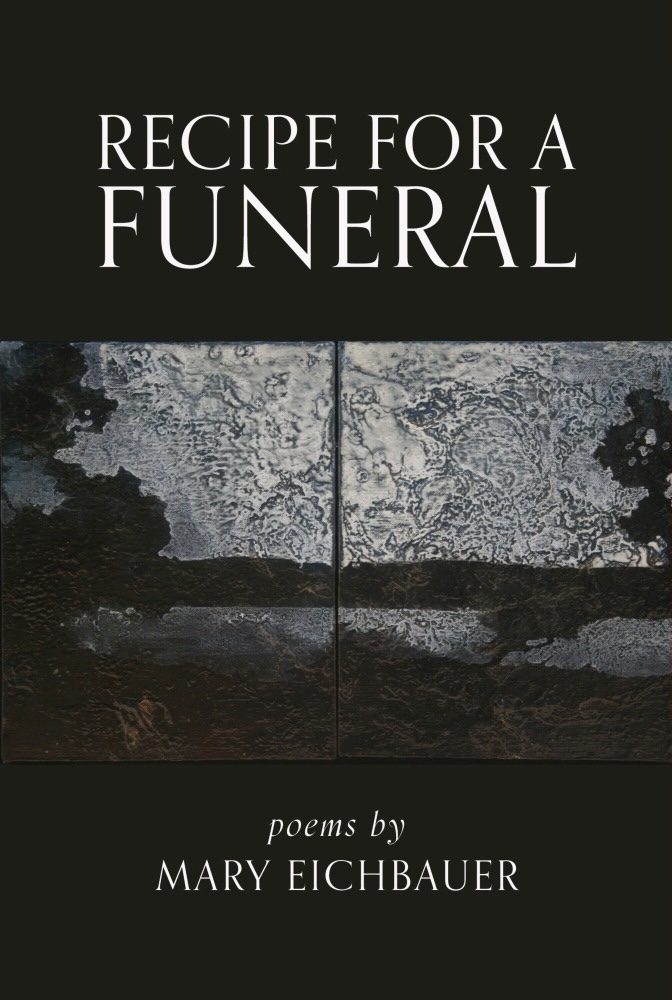
Recipe for a Funeral meditates on loss, memory, and the mysterious stories we construct from the mundane details of our lives. Through encounters with characters and landscapes both real and imagined, Eichbauer teases out the tenuous threads of what we glean from the past, how we think about the future, how we conceive of and acknowledge a time when our presence in the world will end, and our stories will continue through others. In this poet’s world, memory and imagination conjure survival: through a twist of scent from an old jewelry box, the flavors of a place never visited, a simple flower whose name evokes the universe, or a miraculous cake to feed the soul of the world. The ties of family, friendship, and motherhood act as touchstones in this collection that celebrates the fullness of human experience, from hope to tears.
Not Just Us, Eleanor Berry
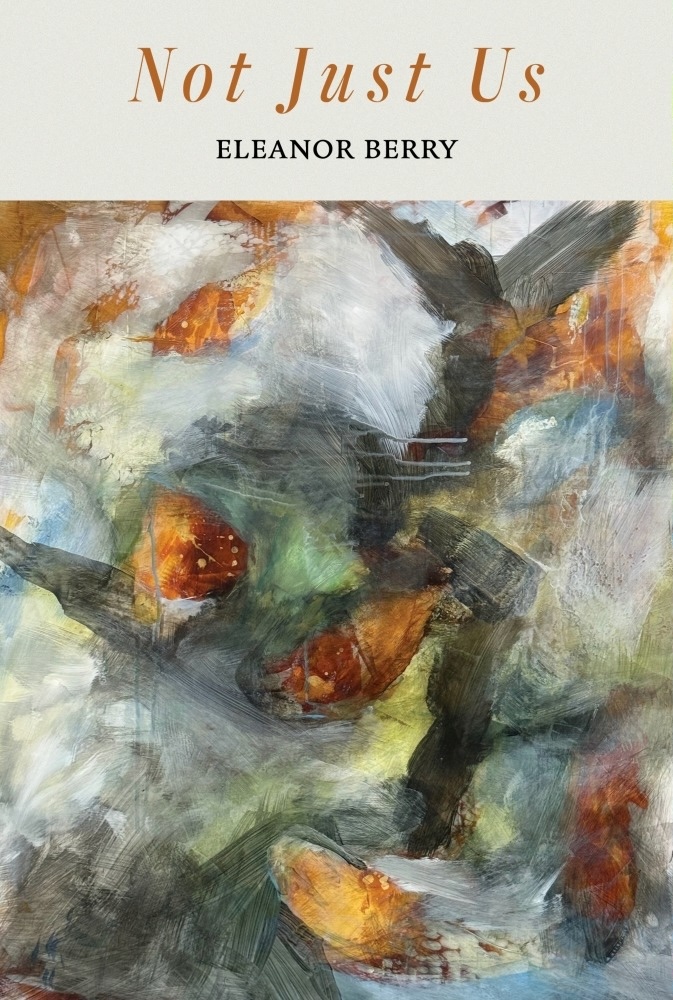
The poems of Not Just Us reflect on the poet’s encounters and relationships with non-human fellow animals―on her brief encounters and extended relationships with animals both domestic and wild. They seek to know better those “others [that] inhabit / this place we call ours,” to imagine how those others see us, “how manifold the world would be // without us.” Through daily life in a rural home, through travel, through craftspeople’s renderings and scientists’ studies, the poet meets badger, alpaca, eland, turkey vulture, pygmy owl, coral polyp, dog, and pig. These poems recognize humans as “animal[s] in haberdashery,” acknowledge non-human animals as kin.
Her Names, Her Wits, Danika Paige Myers
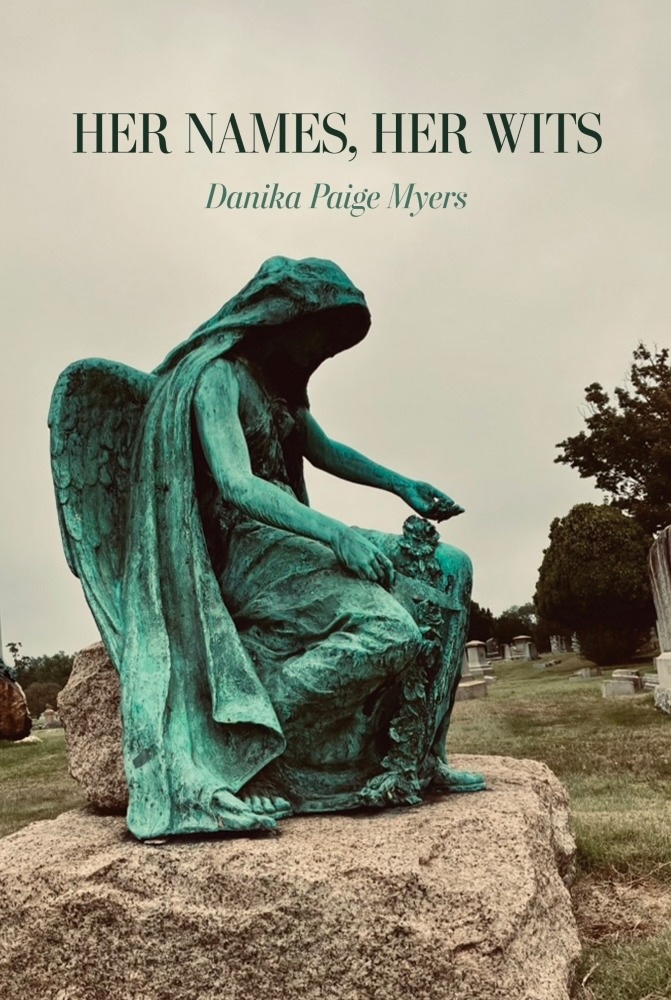
In this debut collection Danika Paige Myers explores quiet intersections of the tangible and the ephemeral—from patchwork quilts and grave markers to ghosts and myth. In poems born from her young daughter’s fascination with death she maps visits to parks and cemeteries, coastal cliffs and hiking trails, in Maryland and in Oregon. This is a book about what cemeteries are for, what names mean, and the “backwards magic” of memory.
The Winged and the Horned, Tammy C. Greenwood
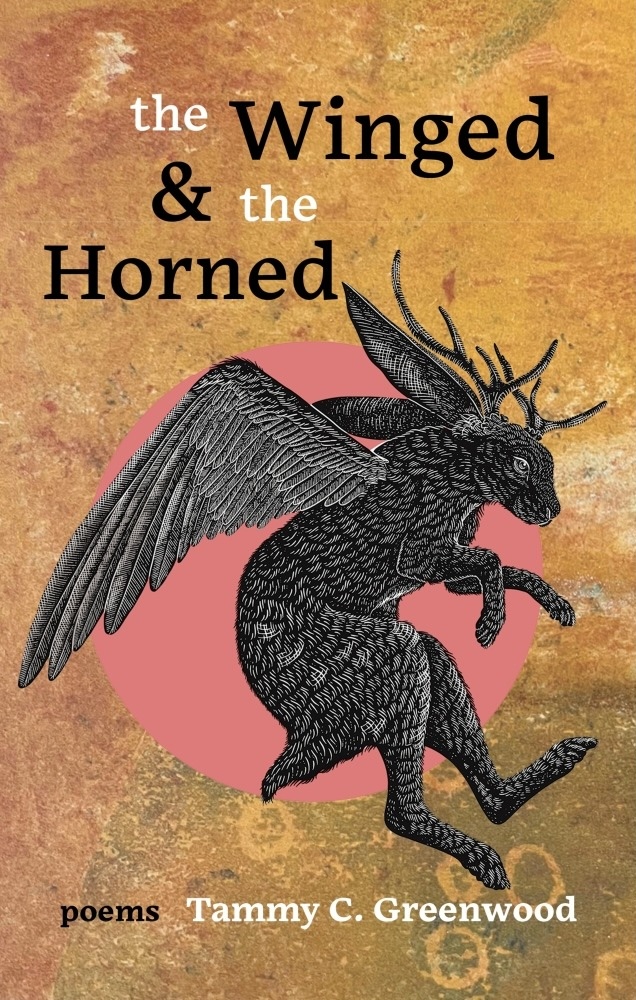
Tammy C. Greenwood’s debut chapbook, The Winged & the Horned, explores infertility, step-motherhood, mental health and addiction. Fertility images of the rabbit are woven with depictions of desolate desert landscapes, droughts and wildfires. The poems move across country from Texas to California with “horizons of pumpjacks replaced by saguaro cactus.” The Winged & the Horned maps a journey of healing, anchored in wonder of the natural world. Juxtaposed against a search for belonging, she interrogates the notion that blood is thicker than water. In this cohesive collection, Greenwood carries the reader through this unraveling, discovering that in a world without resolution, surrendering to the towhee, raven and barn owl, may be its only salvation.
If There’s a Place to Keep it All its Here, Jeff King

This is the direct language of life. A life of hopes for a better future. The life of a younger man trying to figure out how to live as a father and husband. The life of a cook aging at the stove. The life of an artist. The trappings of the past explode in the present as though they happened moments ago because they cannot be forgotten. Above all this book of poems addresses complications in every facet and the struggle of beating oneself to death with thoughts out of control. Each poem is its own scene, and collectively they hope to express some kind of love.
Humming Beneath the Mist, Abby Luby
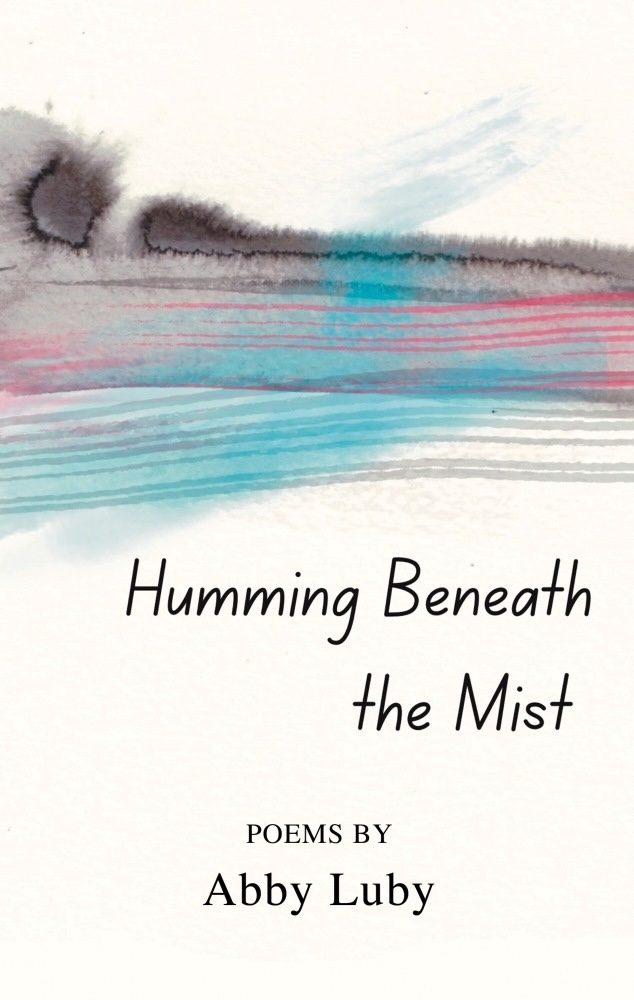
Abby Luby‘s debut chapbook Humming Beneath the Mist, is a collection of poems celebrating memory, fantasy and culinary joys. Luby’s work offers a remarkable undercurrent of tonality slipping both noticeably and imperceptibly into the reader’s subconscious; ‘the saxophone steam rises,’ ‘radiating from your core a lush vibrato,’ or ‘how the blues soothe the back of the eyelids.’ Sudden lust in a kitchen, found and lost loves, ekphrastic reflections and a nod to climate science are just some of Luby’s inspirations among her 28 short poems in the chapbook.
My Mother’s Hands, cory brown
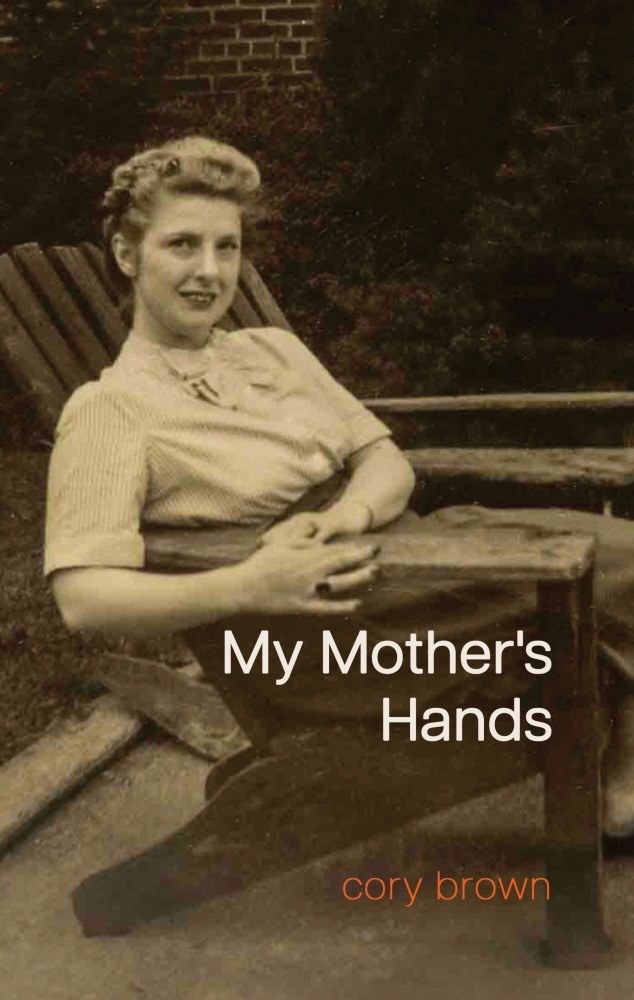
In this, Cory Brown‘s sixth volume of poetry, he runs the gamut of philosophical speculation from the meaning of early family experiences raising cattle to more abstract thoughts on reality and the passing of time. Some poems aspire to wed the beauty of language with that of the natural world, occasionally by way of a Romantic aesthetic and at other times by way of a postmodern process, following the dictates of the mind as it associates its way down the page. And down the page is where the poems venture into whatever tonal avenue offers itself, wry humor, painful lament, exuberant celebration. These poems are musical, smart, sometimes narrative, sometimes funny, and always deeply contemplative.
Break a Part, Laura Cesarco Eglin
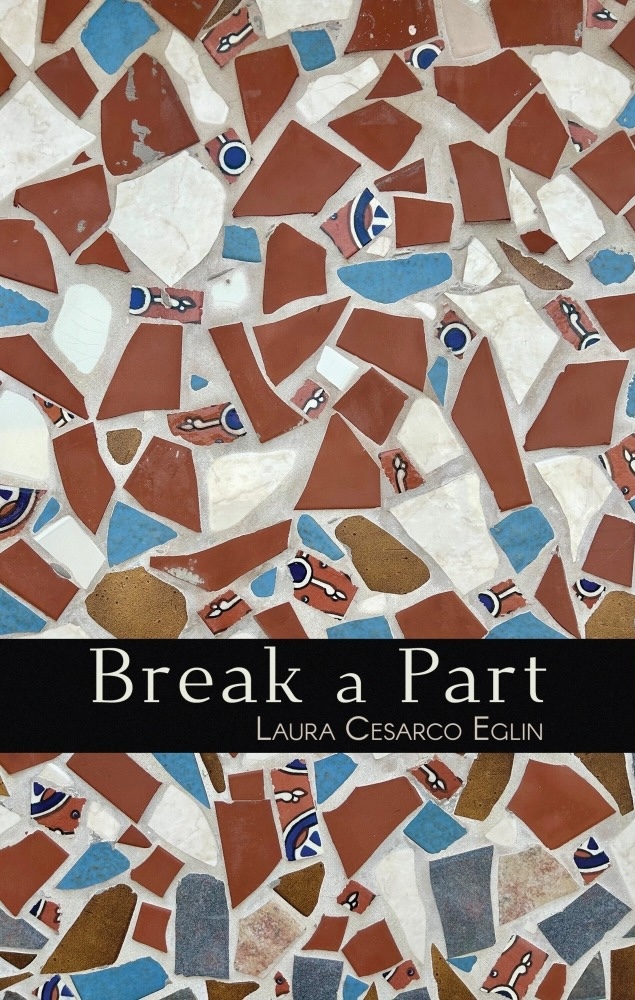
Break a Part by Laura Cesarco Eglin explores how breaking (up and off) is a complex enterprise that involves breaking apart, breaking a part, being in part and partly—sometimes voluntarily, sometimes not. These poems examine the pieces that are still whole, the parts we focus on to define a whole with all the pieces, with some, with a reconfiguration of parts and the involvement of new components. In other words, Break a Part breaks down what is alive and in language. It dives into breaking into language. It is precisely in the grappling with language(s) that one can name the parts and their connections.
guilty as an orchid, Richard Haney-Jardine
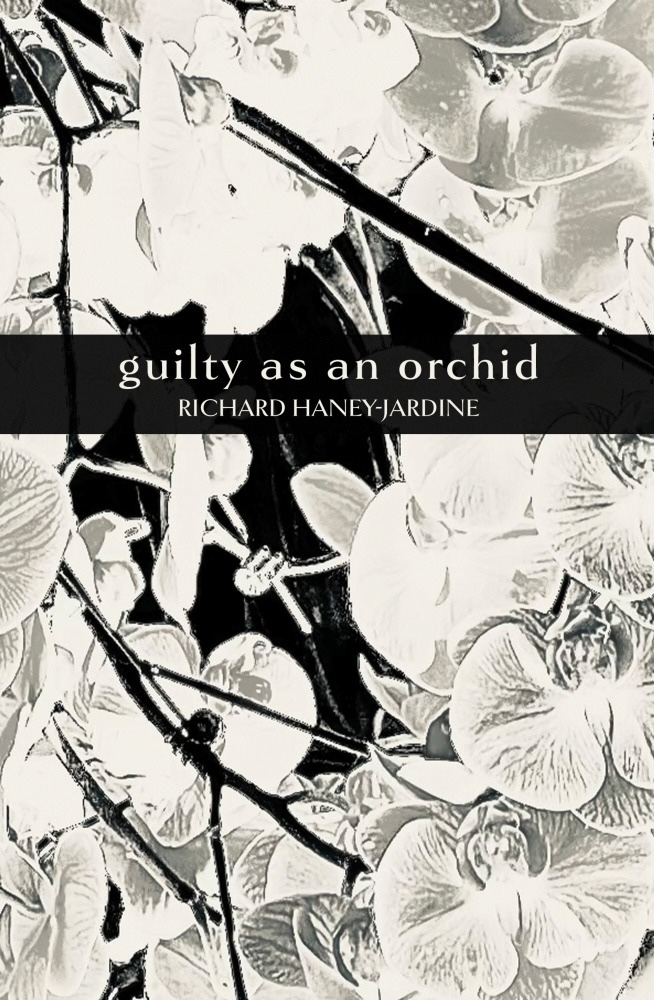
Nunc et in ora mortis nostrae, the final words of the Hail Mary Prayer (Now, and in the hour of our death) cast a pall over many of the poems in this collection. Here can be found gimlet-eyed meditations on mortality, whether learning of an old lover’s terminal diagnosis while mid-spoon in lobster bisque or falling in love with a dying leaf; whether on a first date on 9/11 or contemplating the jaw-dropping homicide rate in his homeland of Venezuela; whether being in the CCU himself or observing a beloved’s early onset Alzheimer’s—death is omnipresent. And not only corporeal death but the death of love, which he experiences aboard a ferry, in a sauna, on a city bus, from a pond as snowy winter herons take flight. Still, amidst such sorrow and such dour contemplations, these poems fly the banner of hope, of survival, of blossoming after trauma, reminding us that Life—with a capital “L”—goes on as usual, like the birds living at the Home Depot that disregard us mortals as they go about the business of living: twittering, swooping, and pooping. The poems in “guilty as an orchid,” if we let them, can serve as a road map that leads us to self-discovery. They can map out for us a path to internal illumination, redemption, renewed hope, and the love reawaking in us.
Marriage: A History, Bruce Parker
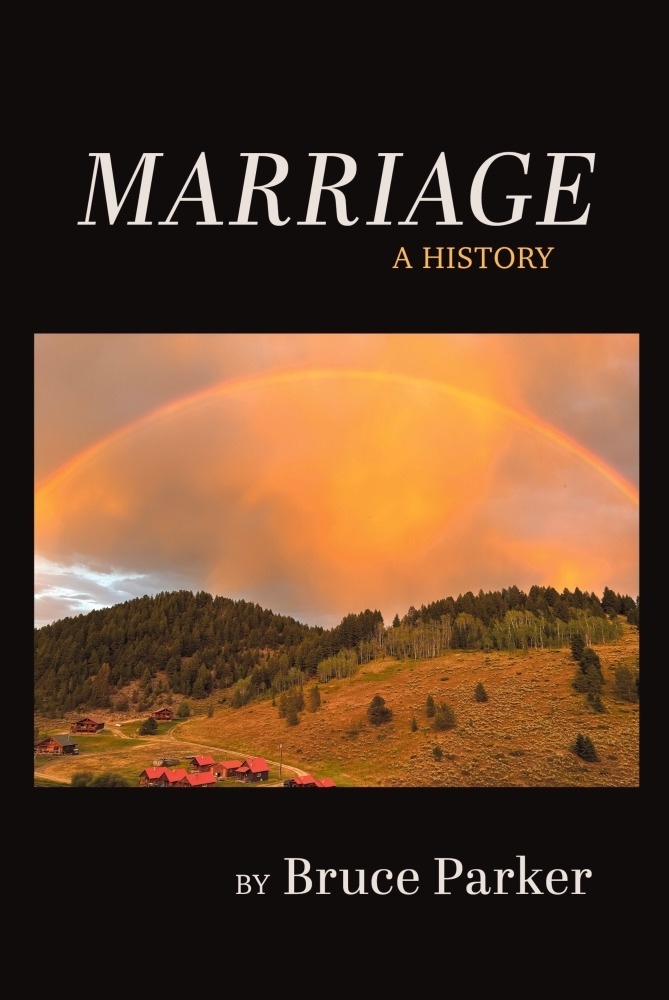
Widowed, divorced, widowed again, yet in age finding love once more, the author of Marriage: A History explores loss, grief, struggle, and love in lyrics that are by turns penetrating and tender.
Bruce Parker holds an MA in Secondary Education from the University of New Mexico. His work appears in The Field Guide, Wild Roof, Cerasus (UK), The Brussels Review (Belgium), Prairie Schooner, and elsewhere.Chapbooks: Ramadan in Summer, (Finishing Line Press, 2022) and Tears for Things. (Plan B Press, 2024).
Should Have Known, Linda Arntzenius
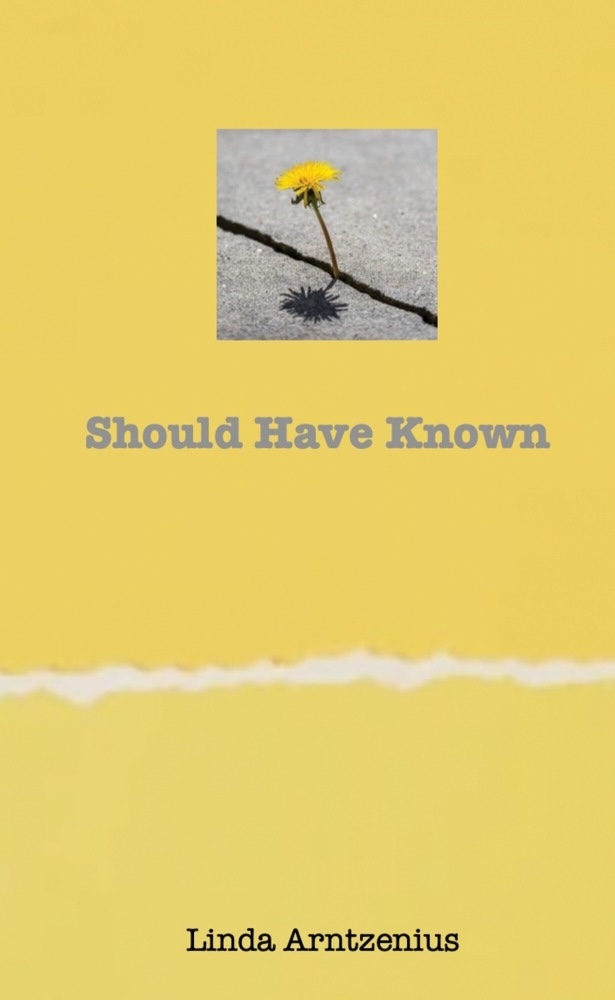
Should Have Known observes the give and take of relationships—between spouses/lovers/ parents/ children/ friends, even works of art and history—with clear-eyed reflection and wry humor. Here are poems of loss and depression, survival and resilience, and epiphanies that drive new (and multiple) perspectives. Marking a journey from conforming to the expectations of others to feisty self-knowledge, Should Have Known invites readers to engage the world in their own terms with poems that underscore a shift from the binary of Pythagorean opposites to a more nuanced ballet of the continuum.
The Well, Glen P. Vecchione
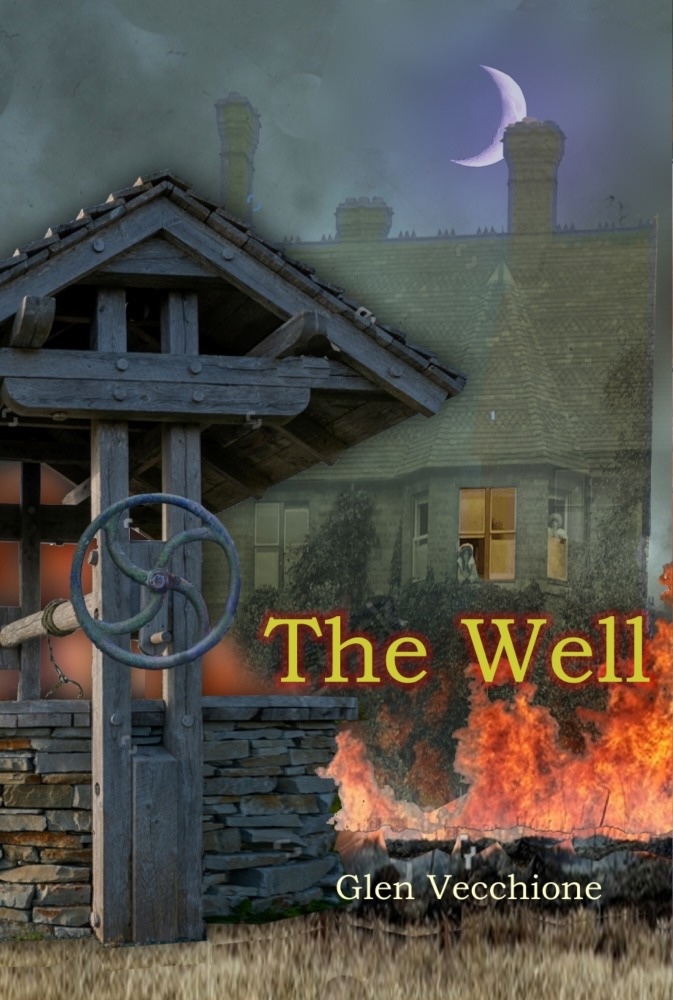
A raging prairie fire in the dead of night kicks off this tale of murder and retribution between two large landowners whose properties are conjoined by a deepwater well that each one claims to own. Set in 1920s rural America and unfolding in alternating episodes of free and blank verse, a propulsive narrative emerges that evokes the darkest works of Faulkner, Poe, and Robinson Jeffers—carnal, harrowing, and macabre.
Edge Habitat, Elizabeth Moore
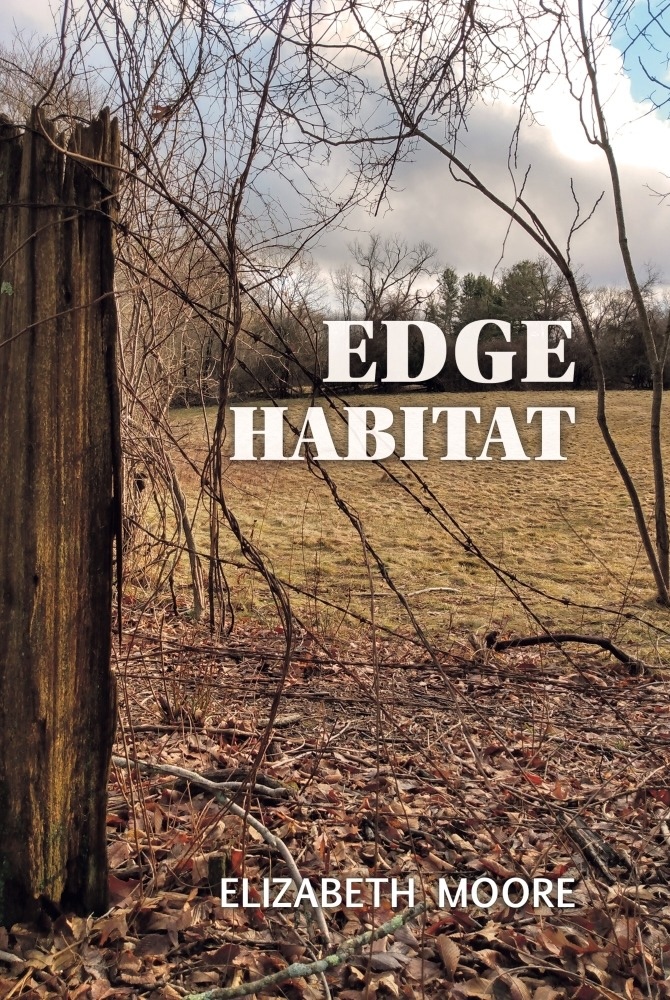
In ecology, an edge habitat is a dynamic liminal space where two adjacent ecosystems meet and merge. Touching on landscapes, climate change, memory, mental illness, and motherhood, Elizabeth Moore’s poems invite us to inhabit our own raw edges with empathy, openness, and humor, asking what it means to live meaningfully and hopefully in a world perpetually on edge. Edge Habitat is a love song for anyone who has ever felt caught in between—and for all of us longing for some kind of home on the brink.
The Unfolding, Nancy Sobanik
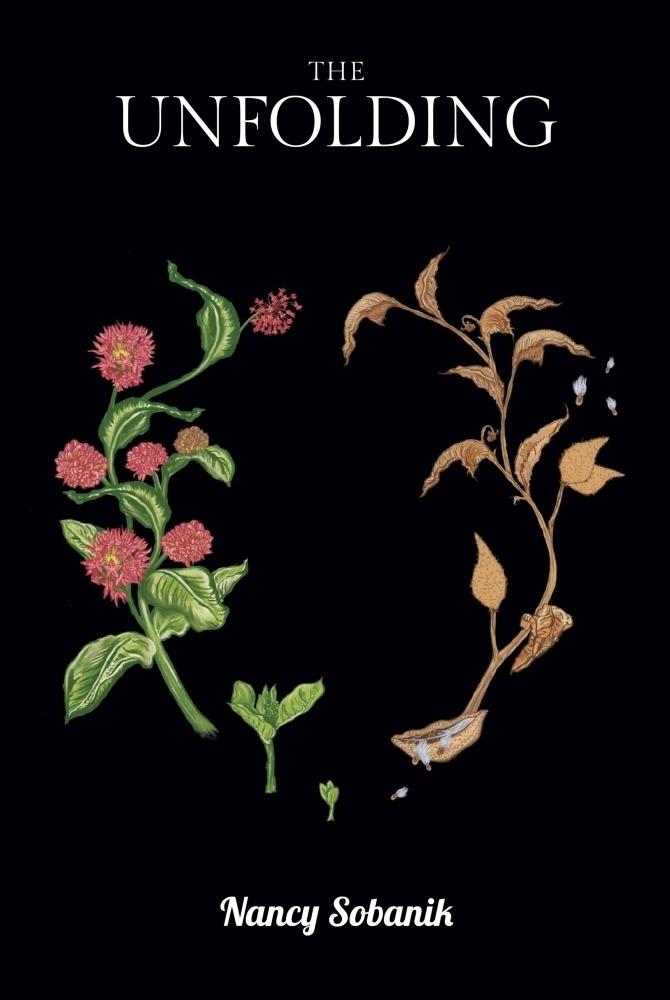
Nancy Sobanik’s debut poetry collection The Unfolding explores the intersection of the profane and sacred in life moments. Great losses are followed by the revelation of grace and unexpected gifts. These poems are an outpouring of a soul’s response to a family’s hidden traumas, but the landscape of family history is not complete without the celebration of events that bring great joy. The Unfolding delivers poems in which strength and hope are derived from nature’s healing power, the inexorable passage of time, and the resilience of the human spirit. These are poems that boldly confront common life challenges, full of pathos and transcendence.
Milktooth, Caitlin Dunn
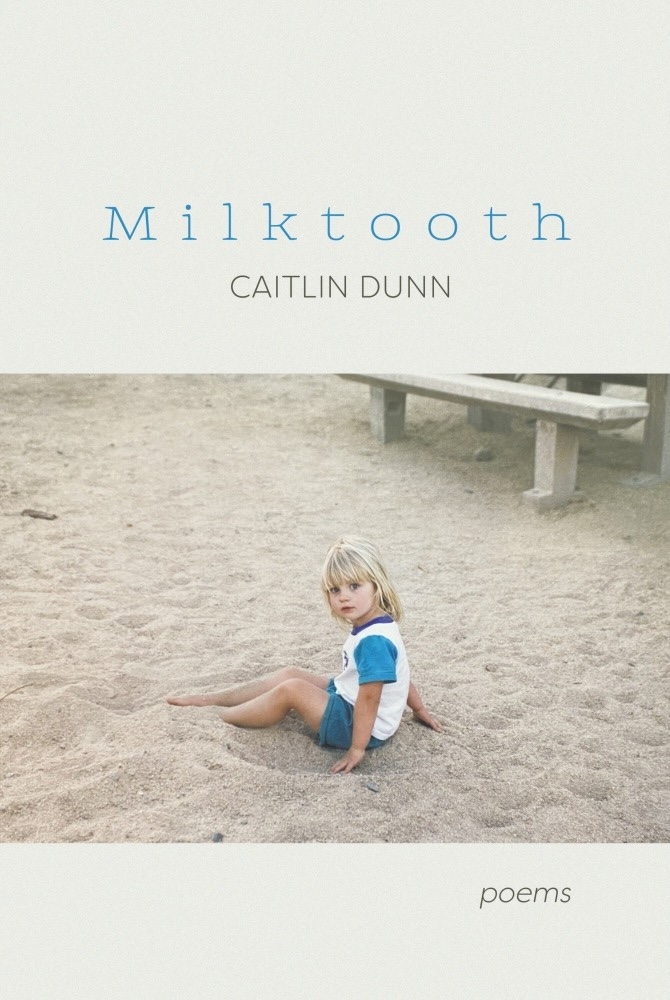
In her debut chapbook, Milktooth, Caitlin Dunn traverses fire-scorched Colorado mountainsides, salt-crusted lakebeds, and the many phases of coming-of-age. Milktooth examines how we make sense of the past: through the body, the volatility of nature, and what we leave behind. Unfolding in three parts—Prescribed Burns, Erosions, and Ephemerals—this collection mirrors the undoing and remaking of both earth and self.
Sonnets For Agnodice, Mark Novak
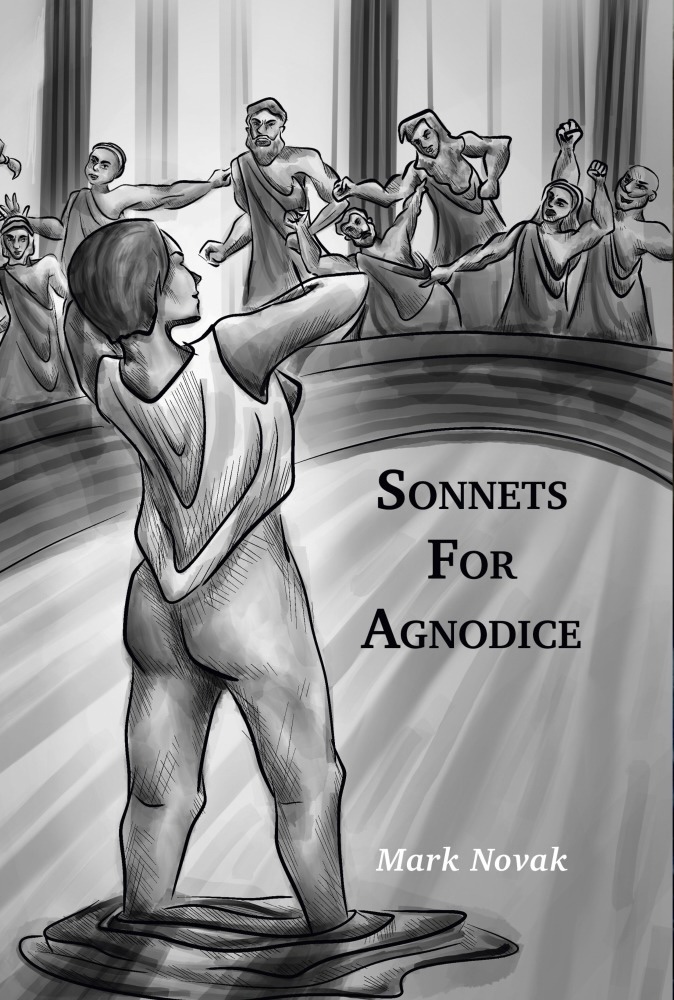
Sonnets For Agnodice is an array of work which burrows into the heart of a human diaspora. It is a world-view crafted through the eyes, ears and experience of an insane chain of circumstance. Additionally, it honors the courage of those who have forged the paths that we late arrivals have had the privilege to walk; be that the presence of female physicians (thanks to Agnodice) or the population of the American Bison (thanks to Billy Hofer). The work ranges from epic styling, to modern grit and still manages a sprinkling of mirth, when the weight is in want of a periodic lightening. There is much to unpack in Novak’s concise collection of hard-hitting lines.
Relearning the Body, Carlene M. Gadapee

What does it mean to be embodied? What happens when the body you have always known starts challenging you? When you must negotiate with your feet, your memories, your whole physical self in order to cross a room or do familiar tasks? In Relearning the Body, we follow the speaker through the changes and challenges of learning and relearning an ever-evolving physical and emotional Self. Aging, as they say, is not for the weak, but sometimes it is a force to be reckoned with. Inviting the body and the mind into conversation, the speaker shows us, may get us through each day for a little longer. Acceptance is grace, and the speaker in this collection of poems points us the way.
The Woods ~ Trails & Tangents, Stan Winarski
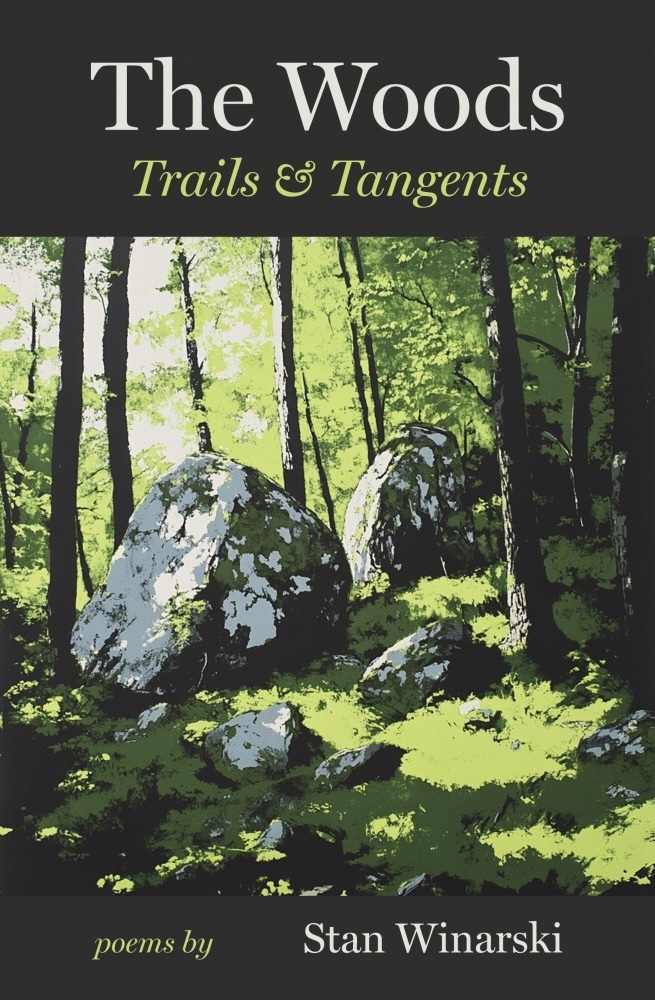
The Woods ~ Trails & Tangents draws from Stan Winarski‘s forty years in Wisconsin’s Northwoods, where chipmunks lock eyes with poets at dusk, ancient boulders speak across geological time, and microscopic realms reveal ecological fragility. These poems. observed and imagined, all ringing true, range from traditional sonnets to spare haiku, playful humor to ecological witness. They will resonate with anyone who finds the woods precious and fragile. In an age of environmental urgency, Winarski doesn’t preach–he watches, listens, and reports what the woods reveal when we’re willing to sit still and let being be enough.
Passing Tones, Ben Gunsberg
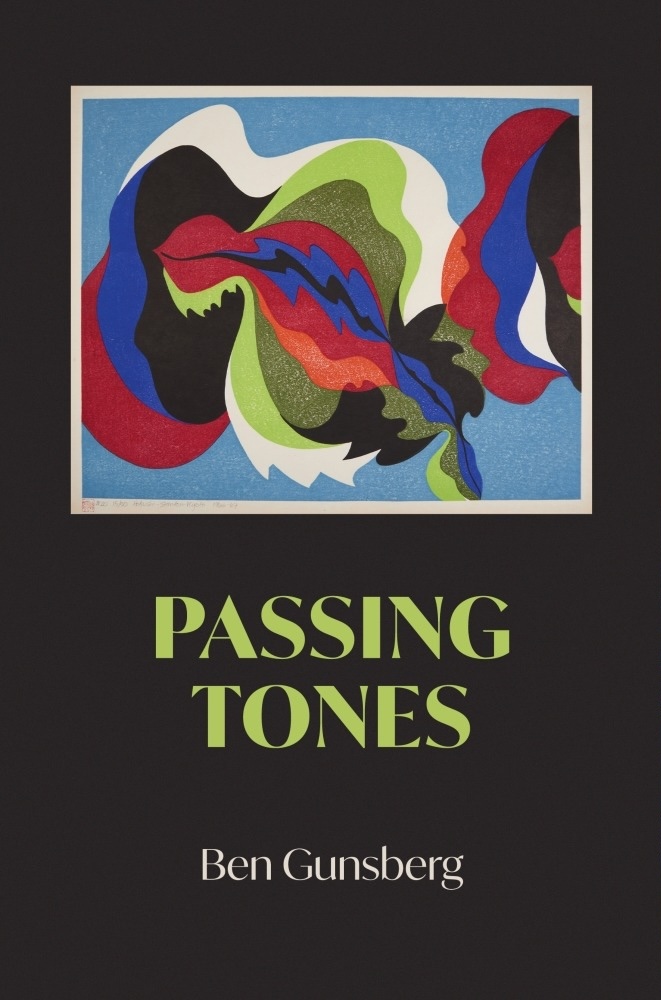
Passing Tones orchestrates a collection of poems attuned to the music within—and across— everyday moments. A washed-up lead guitarist, a ragtag band of weekend musicians, and the voices of family and strangers populate a score that attends to the fragile signals that bind people across time. Turning to history, language, and ecology, these poems—some paired with original soundtrack accompaniments—ask what it means to stay attuned to one another, to the changing Earth, and to the unseen patterns that hold our days together.
Shadow Boxer, Martin Cossio
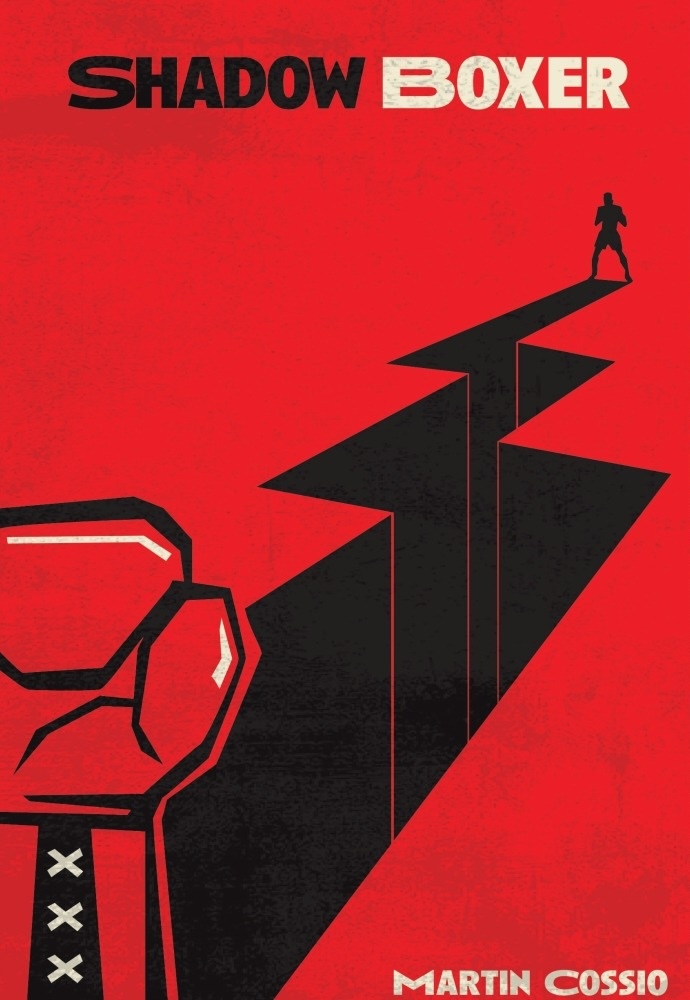
Shadow Boxer chronicles the author’s gym journey from skinny-fat underdog to super welterweight live dog. It combines “muted” sonnets, imaginative verse, and impactful prose to create an urgent and intense collection of fight poems that extend their theme of boxing to the fight of everyday life. At the heart is a series of meditations, blocks reminiscent of rings from which a fighter—lover, teacher, writer—is chiseled.
Emerald Echoes, Dorothy Doyle
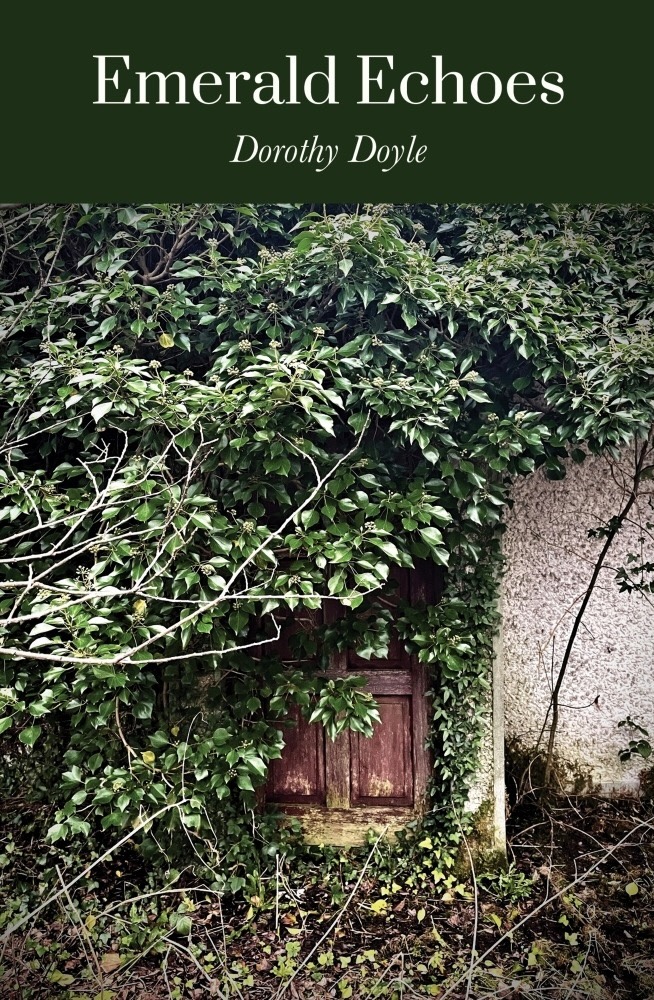
Tracing the immigrant experience through generations, this collection moves between the green hush of Ireland’s pastoral fields and the restless clamor of New York City streets. Braiding echoes of Ireland’s history and culture into stories of trauma, triumph, and quiet resilience, this book becomes a testimony of remembrance and renewal.
Bottlecap Press
Reincarnation, Matt Cilderman
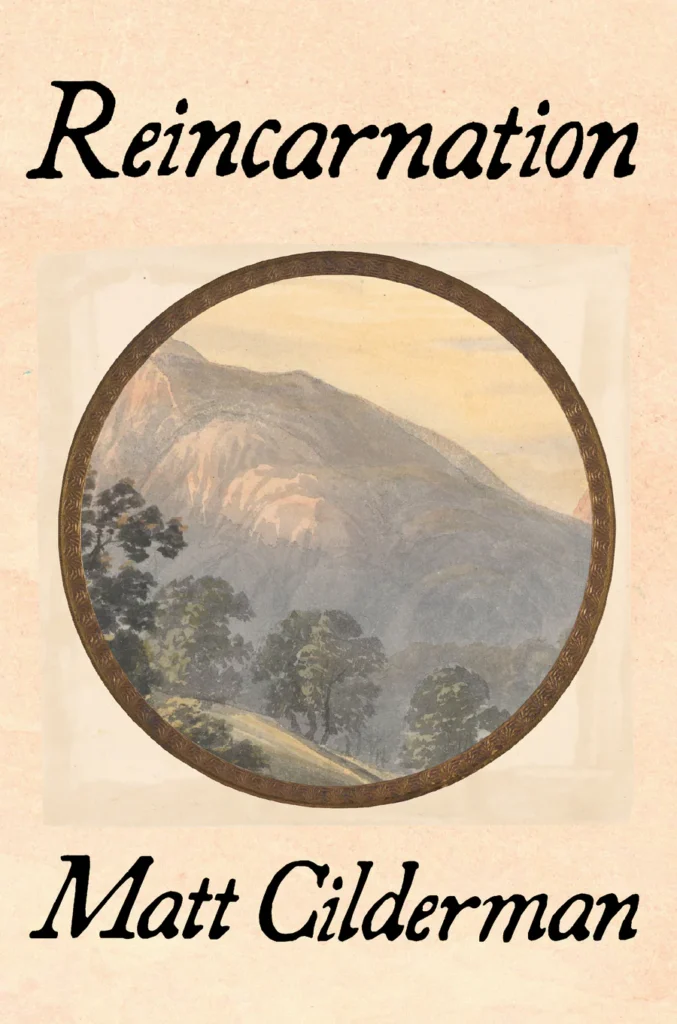
We’ve all wondered what it would be like to be closer to our favorite artists, thought leaders, or fictional characters. Reincarnation imagines that intimacy using concise, powerful verse.
What would it be like to have Van Gogh become part of you and create art together? What would George Orwell say about social media if he were alive today? What were Icarus’ last thoughts as his wings failed?
Let’s find out together through reincarnation.
Domestic, Ashley C. Knowlton
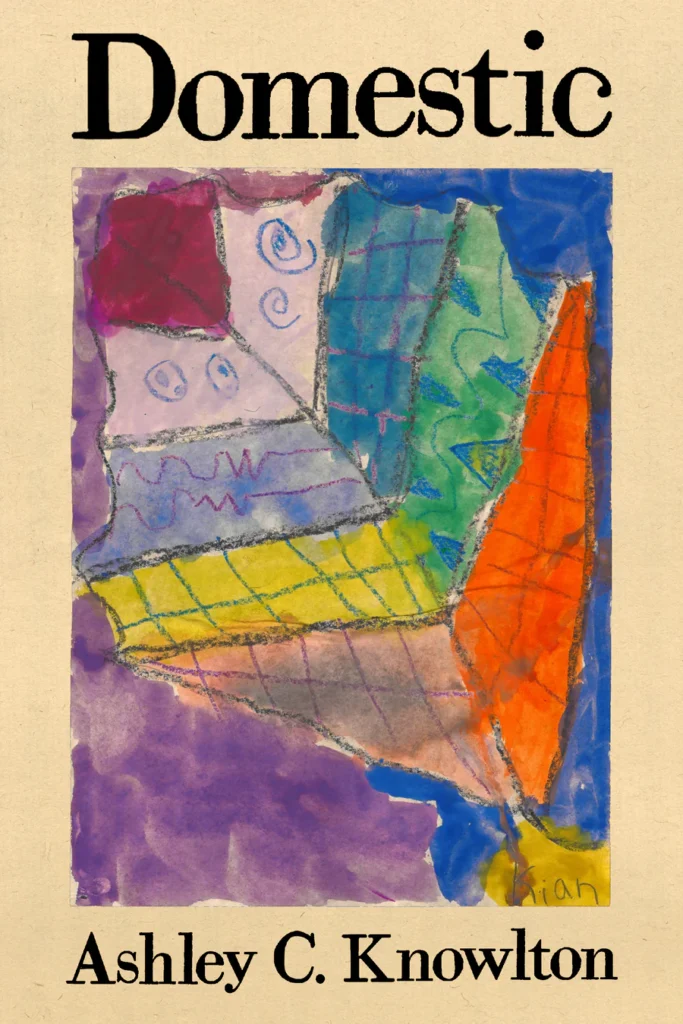
A couple of years back, at the New York State Summer Writers Institute, Ashley C. Knowlton had the opportunity to receive feedback on several pieces from American poet, Campbell McGrath. One of his comments that seemed to linger was his finding that her poetry was “domestic,” meaning it often focused on elements of the home, children, and immediate rural surroundings. This feedback inspired the title of this poetry collection, Domestic.
Among other things, Domestic invites readers to envision immense redwoods, the knotted knuckles of coastal trees, and the ancient beards of lichen that sway from their branches. Domestic invites readers to witness the protruding sea stacks that ogle the beach. Domestic invites readers to share the joy in poems motivated by her young children and endure poetry that processes a child that never was.
Dear Abbey, Rachel Stempel

“Yes, a fragment is a good thing to be.” Dear Abbey is an open letter to a failed Tinder relationship in which the author struggles, perhaps without resolution, to hold themselves accountable. The book posits a narrative contract through lyric, something of mind and body that challenges the author’s sense of an individualized self.
Exploring how this contract gives meaning to existence through discussion of poetry, film, and music, Dear Abbey attempts to connect the author to their lost loves through the beatitude of queer community. Fragmented, inconclusive, and at times, outright contradictory, Dear Abbey is, at its core, an experiment in vulnerability, not so much resisting genre categorization but dismissing it in favor of other modes of belonging.
Next Door, Vince Montague
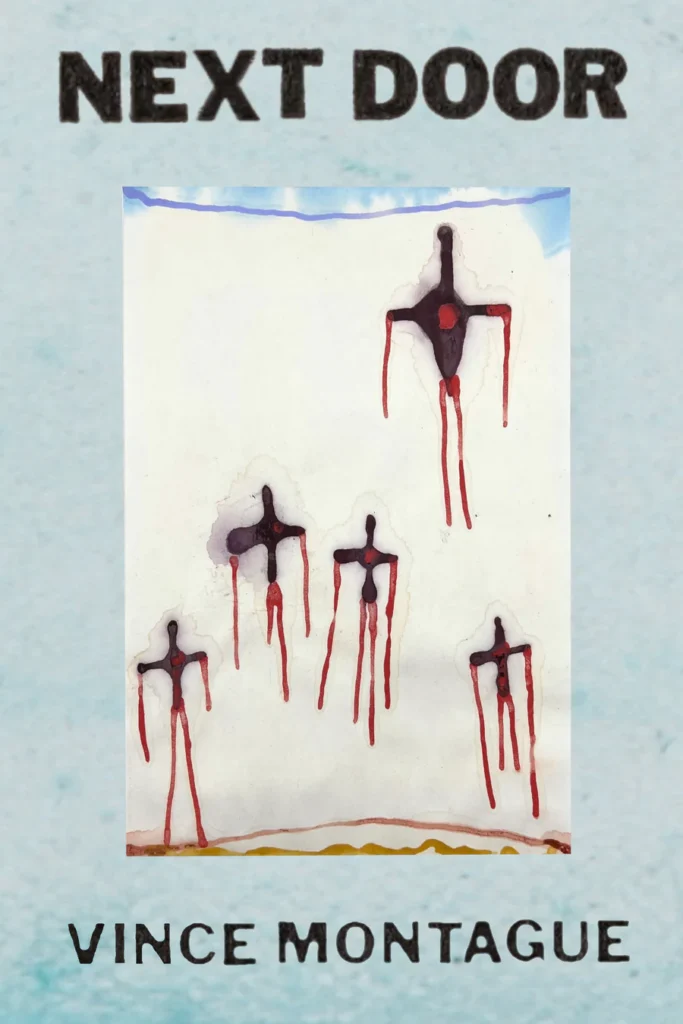
Next Door is a collection of experimental prose poems based on walking and dreaming about the private worlds and the public faces of coexisting in tight communities, yet distanced and separate as if living on detached planets. Each poem in Next Door has a mailing address rather than a title, a location rather than a name. Each poem is a fragment, a glance inside a window, a conversation overheard on a sidewalk, a flight into the imagination of what we call “community.”
This body of work created a space for me to work with a poetic form I was familiar with: the paragraph. I am a walker by habit, a writer by vocation. The two strains in my life combine during evening and morning hikes. During the height of the pandemic, the world stayed at home, sheltering in place. I think of the paragraph prose poems in this collection as squared forms much like the boxes we inhabit inside our apartments and within our homes, huddled spaces where we learn to live.
The Call-back, Sam Calhoun
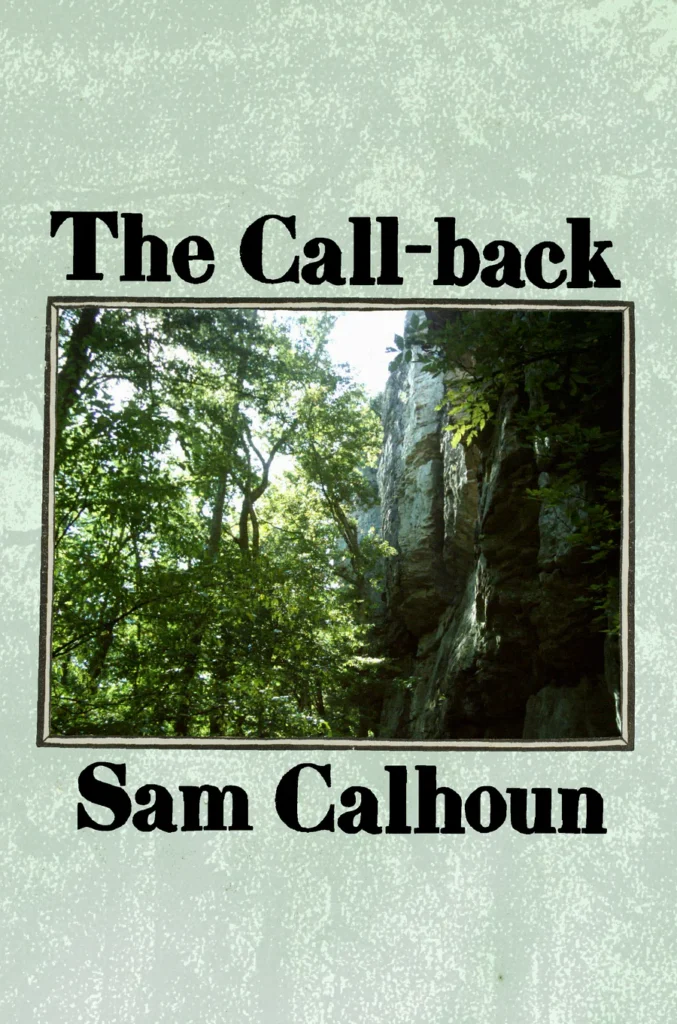
We experience call-backs all the time, though we may not recognize them. The world in many ways requests a return, or an answer. The concept behind these poems was born while on a hike. A friend with me stopped and stared back into the forest, and said we missed seeing something. The forest called us back. We never found what it was. I carried that idea forward for years in life and writing.
These poems shouldn’t be mistaken for nostalgia, they are not a looking back. They are an acknowledgment of, and a seeking for the small things, the minutiae. They seek the answers to questions I sometimes did not know I had. These poems are my questions for the world. Consider them an invocation. They await their own call-back.
a body is not a sky, Anna Gayle
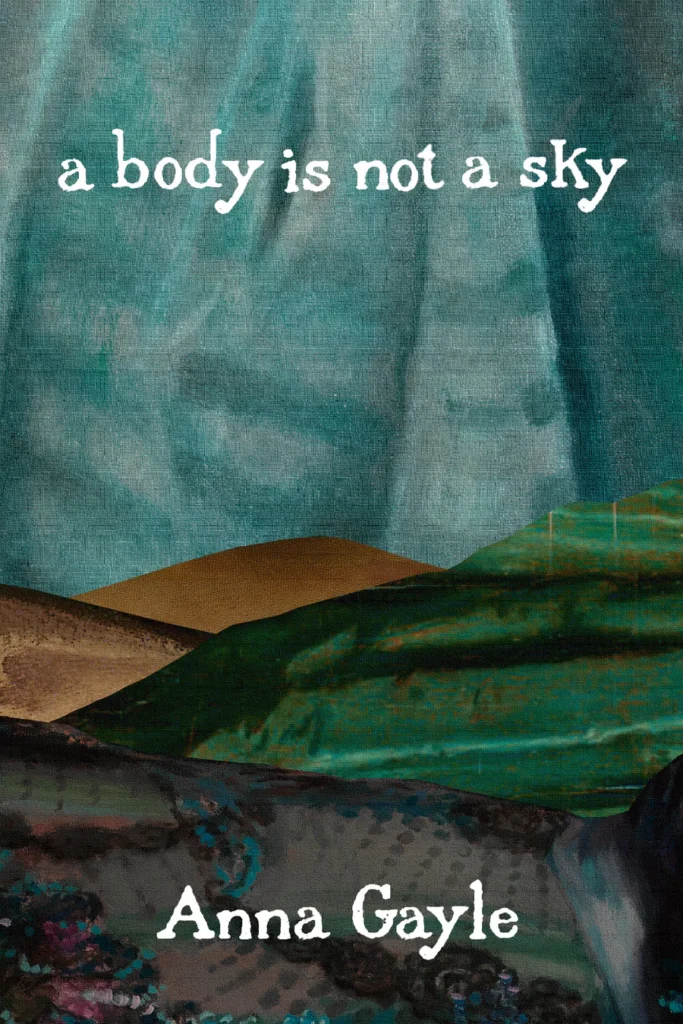
a body is not a sky is a collection about the transition from girlhood to womanhood. These poems detail the physically and emotionally painful process of feminine discovery. How does a person become and remain an object? What do you say when there is no space for “no”? How can you know yourself when you are afraid of your own memory?
Through vivid and unflinching imagery, these poems weave together stories that are too often silenced. Acting as a record of the “signs of life / women recognize”, a body is not a sky unapologetically asks its readers to bear witness while challenging the limited language we have been given to understand sexual violation and violence.
bubblegum black, Dane Lyn
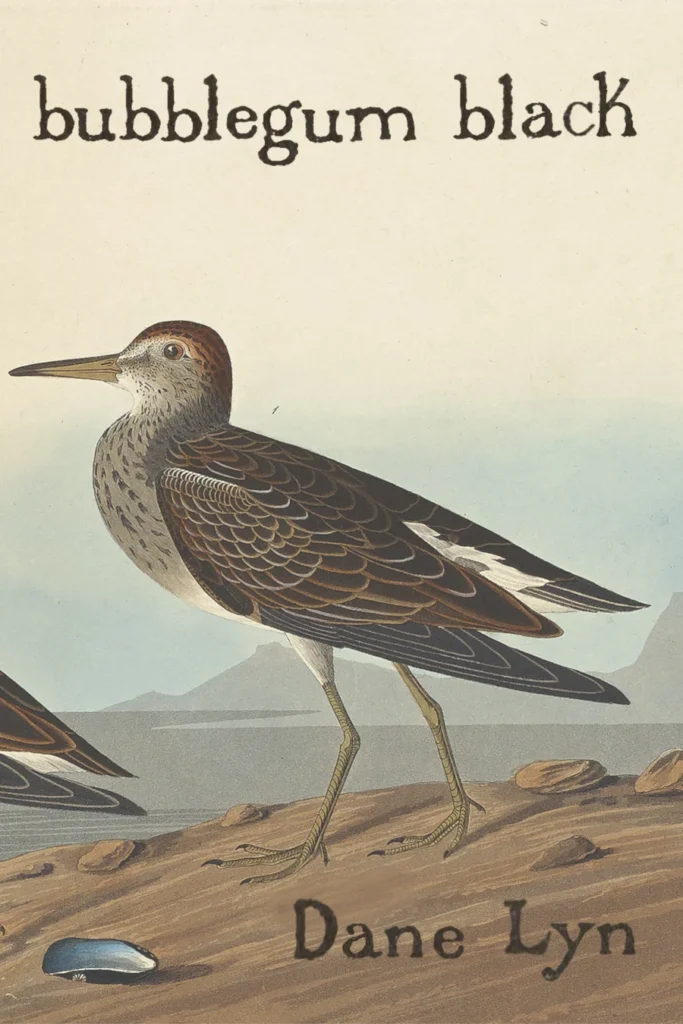
bubblegum black, Dane Lyn’s debut chapbook, is a collection about love as an energy that rips open the self and pours it out into the world. These poems explore the fear of never being loved, the joy in discovering new love, and the comfort in long lasting love.
Through evocative imagery, Dane shows us the triumphs and challenges of embracing self and others as a queer polyamorous person in a broken world. They put to words the many ways in which someone can use love as a rejuvenating catalyst toward healing, and how that force has compelled them toward poetry.
Requiem for the Beekeeper, Katherine Leonard
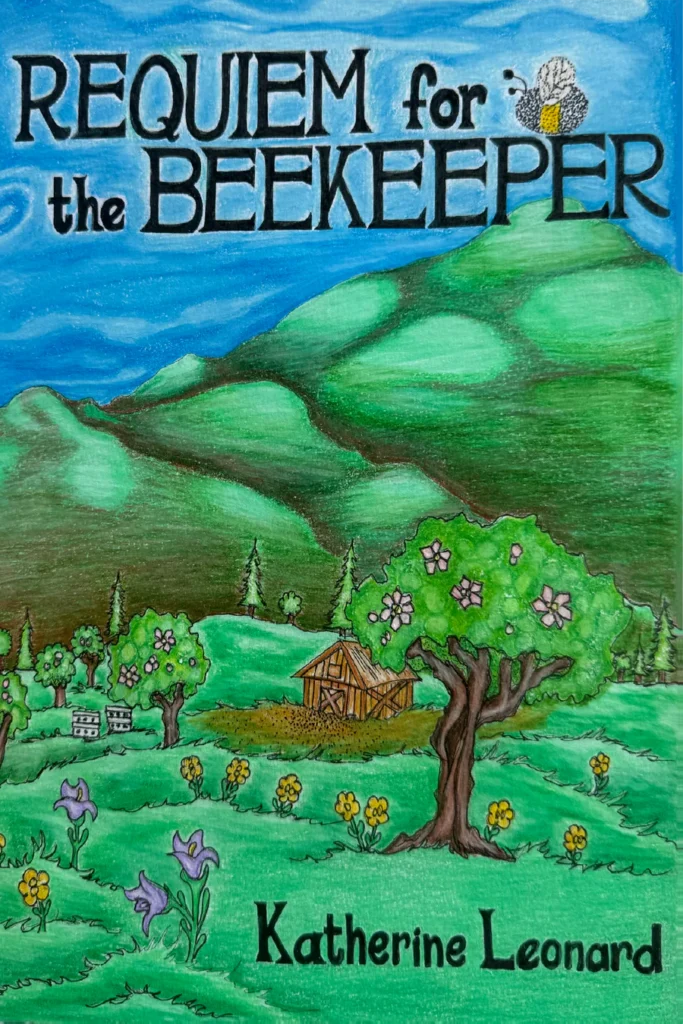
Requiem for the Beekeeper is a three-part harmony of the interdependence of nature, human nature and relationship from the universal to the intimately personal. The journey of joy and enslavement and nurturance and deceit is filled with music that plays through this work.
Love arising is no simpler than spring growth with challenges of weather and careening circumstance that shape lives. The openings and closings of the work travel through a panoramic scope to land softly on the personal entwining of family with humor with regret and with the deep rootedness of lives shared within the world that influences and enfolds them.
Litany of Borders, George C. Tidmore
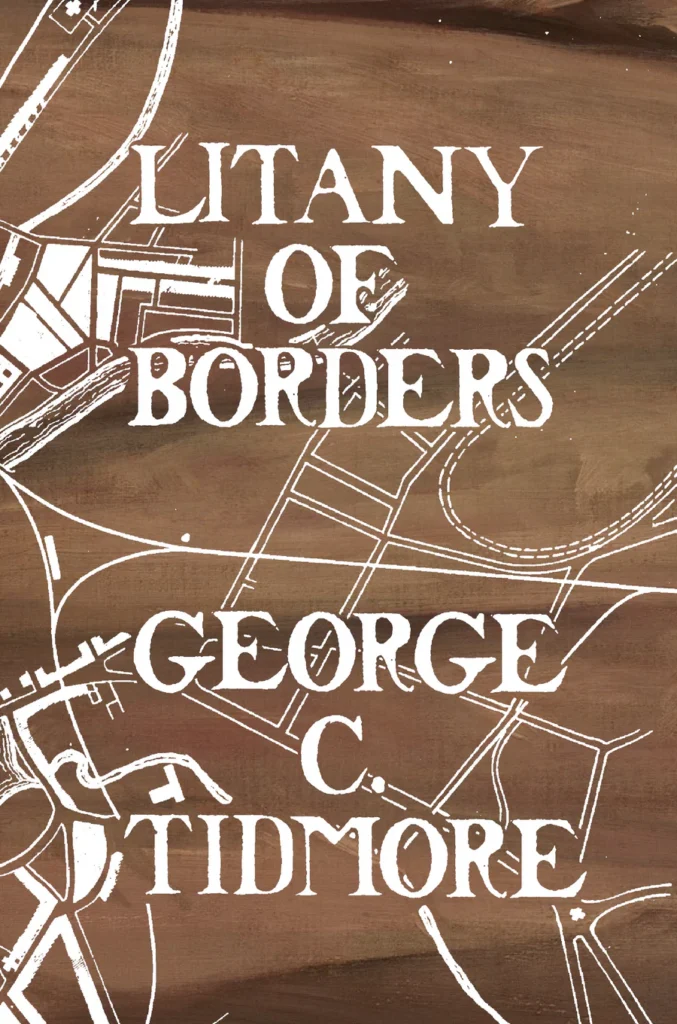
Litany of Borders includes fifteen poems which map tentative intimacy and vulnerability across airports, bedrooms, rainstorms, and pastoral fields. George C. Tidmore traces fragile things—love and desire, childhood and growing up, flesh. Identity is unstable and tender, and relationships linger far past their fracture.
In Litany of Borders, the body becomes understood as a border. And as the poems turn inward to visceral and, at times, painful scenes, language and memory become borders, too. It’s an awkward, glorious crossing.
Maladaptive Daydreams, Coe Colette
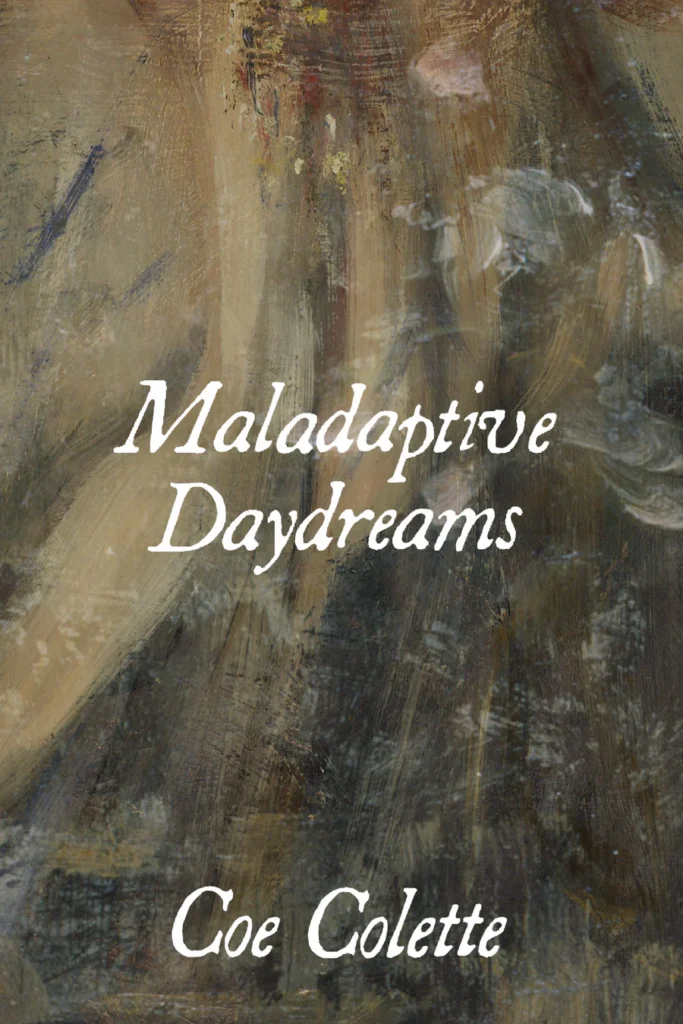
Maladaptive Daydreams, the debut poetry chapbook from non-binary, queer writer, musician, and artist Coe Colette, delivers a visceral punch to the gut as it confronts societal taboos and dismantles facades with unyielding honesty. Through gritty imagery and piercing prose, this collection fearlessly explores themes of loneliness, love, longing, and loss, defiantly shouting “FUCK YOU” to their demons in defiance of societal norms and expectations.
Renowned musician, artist, and author Jamie Stewart of Xiu Xiu hails Maladaptive Daydreams as “an extraordinarily deep and frank exploration of the complications, burdens, and incisions of abuse, food, social politics, home, and sexuality. This work is profoundly worth exploring and pinning to your own heart.”
Bear Country, Sabrynne Buchholz
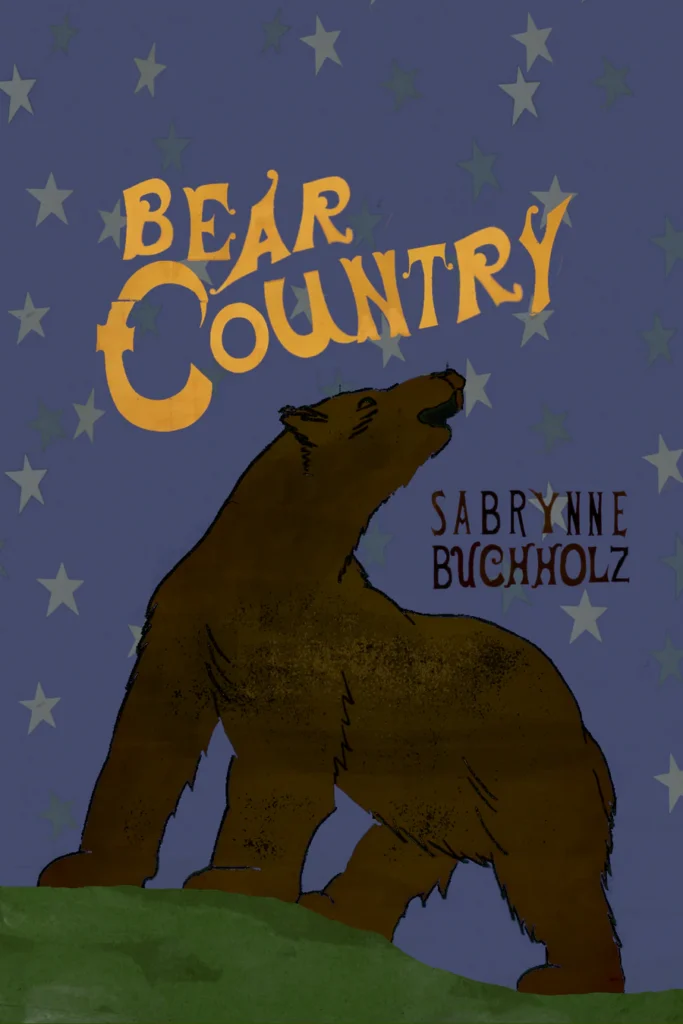
Bear Country is an odyssey across the plains of the past and the world as it was built by those you used to know. So accustomed to looking at the world and the sea and the sky with others to tell you what they see, looking again in a way all your own after all the final moments you shared together is a different kind of voyage. The world you built together yesterday is familiar and welcoming, but is anyone still there now aside from you?
Sabrynne Buchholz’s debut chapbook notes the struggle between holding onto something lost and moving on and forward with something new, and finding balance between appreciating old memories and feeling ready to make new ones. Each poem marks a step along the path toward what’s to come, as well as a gentle farewell to what’s already been.
a finely calibrated apocalypse, Chris Barton
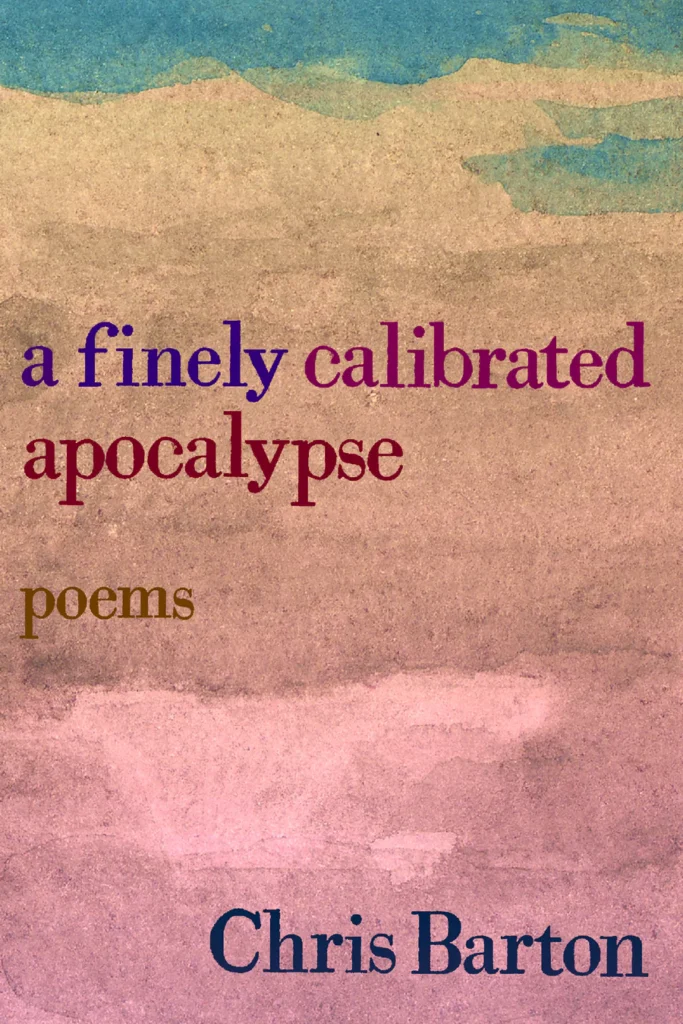
The collection a finely calibrated apocalypse explores various themes and emotions including love, longing, impermanence, the mundane, and the inexorable passage of time. The poems offer a blend of melancholy and hope about the concurrent beauty and absurdity of our shared experience. “I can explain. A sad pastry…” begins one poem that eventually ends with no explanation and instead changes the definition of the word “end” to mean something more useful.
When emotions appear more sustainable than comprehensive meaning, stark images of shoplifting out of boredom are juxtaposed with the surreal urge to reach a hand into someone’s head. Existential loneliness manifests as a humming refrigerator. A one-eyed dog knows the origin of home. A mushroom trip peaks inside of a thrift store. A drive-through speaker seems to be the only thing willing to listen. Meditative, lyrical, and often funny, these poems navigate the anxieties of personal and universal shifts to look for cures or create meaning inside the arbitrary nature of existence.
Letters to _____; or Restless Quintet, David Boeving
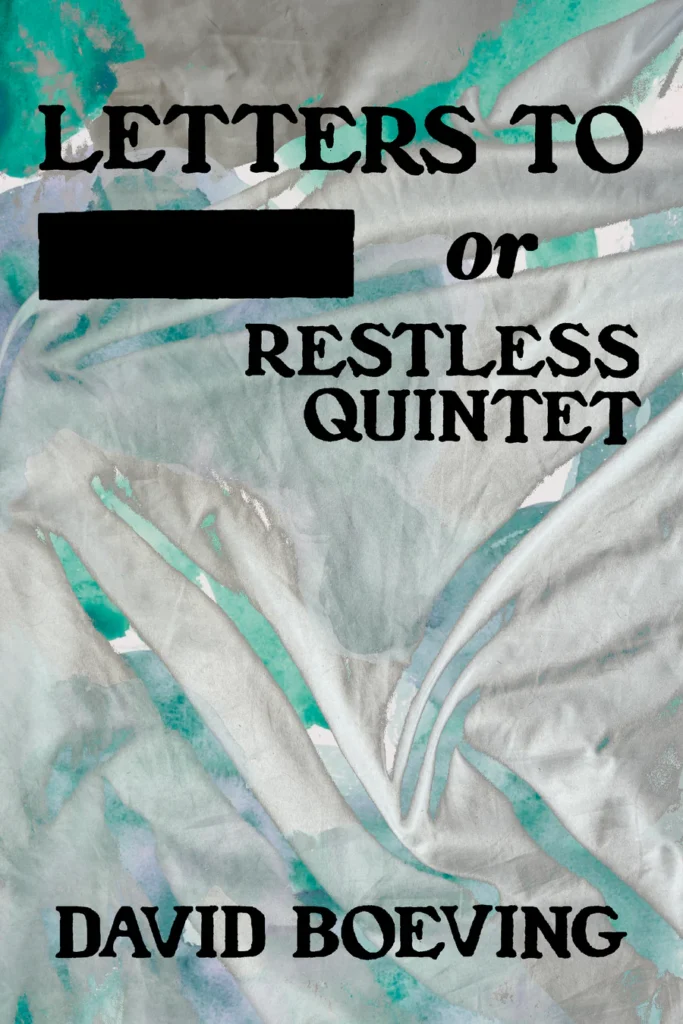
Written across five nights to an unnamed addressee who’s quarantined “in the other room,” Letters to _____; or, Restless Quintet documents the worries, frustrations, and affections of someone struggling to sleep while someone they love struggles to breathe.
Grasping for connection through what’s audible—coughing that sounds like “slate crumbling” or “a stump a saw splits”—this series of five letter-poems drifts dizzyingly through associations – linking well-wishes and pleas for recovery with concerns of climate change, community safety, commercialism, and household chores.
Dog Heart, Ben Simmons

Dog Heart is Ben Simmons’ debut chapbook. These poems blend mythology and personal history into real and imaginary landscapes. From Dublin’s Phoenix Park to the metro in Barcelona, the voices in these poems journey through a world of memory and myth making, fraught with the fragility of the natural world, to find what it means to have a dog heart.
Elegy for Simon’s Rock, Caleb D. Sabatka
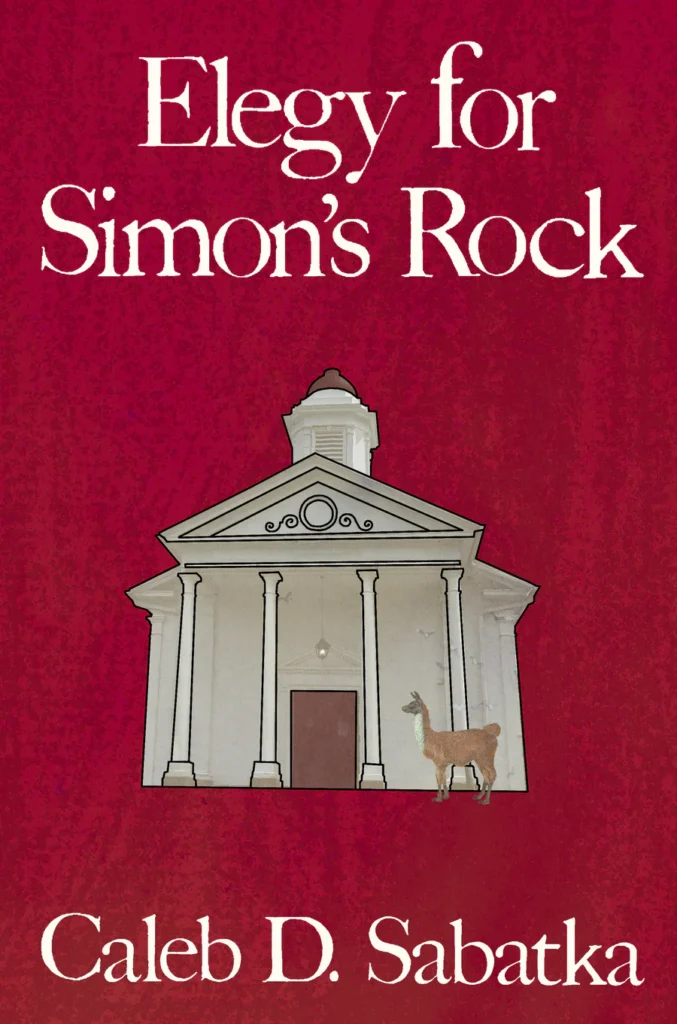
Elegy for Simon’s Rock is an autoethnographic project of memory and mourning for a place and an institution that no longer exists in its original form. Anthropologist and poet Caleb D. Sabatka began his studies in 2017 at 16 and completed his Bachelor of Arts in 2020. Drawing from traditional forms and found poetry, these poems recount one experience of the community’s intellectual life and its undoing, of friendships and their silences, of mental illness and belonging, and of a campus whose geography he still walks in dreams. To write about Simon’s Rock is to write about what it means to be formed by a place and to keep carrying it long after the institution has moved on and changed its name again.
the blue door, s. m. foran
The poems in the blue door display a perceptive awareness of both the simple and the sacred aspects of the countryside. From small gardens to the wild woodlands, the poet takes pleasure in the most modest inhabitants of the natural world but chooses to capture them in moments of profound reflection that reveal a philosophic appreciation for the places in which we live.
God is a Lesbian, Liberty Brooke

God is a Lesbian, as a collection, is centered around celebrating queerness, rejecting binaries, and questioning the role that women often play in traditional abrahamic religion–creating community!
From late nights sleeping under the stars, to Sunday mornings in sordid pews, God is a Lesbian captures it all. Bold, soft, and deeply sensual, it combines beloved queer experiences with age old questions: Why must God be a masculine figure? Why must Eve be guilty? Why must I create my own subjugation for the comfort of a stranger? How do you know that God herself is not a lesbian?
Jack of All Trades, Autumn Bates
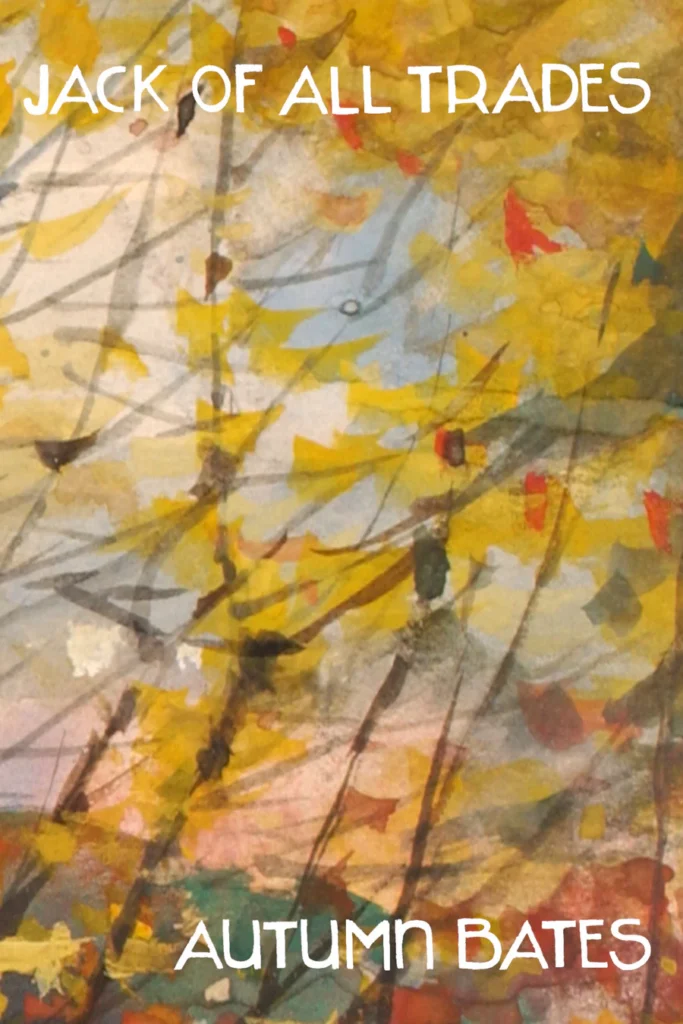
This book brings a spoken word poetry experience born from a need to be heard. The concept of this book focuses on packaging internal fears in an accessible format with raw honesty. This book strives to find connections to the reader by highlighting the many ways that the author separated themselves to hide insecurities, and imploring the reader to consider emotions they may be hiding. It brushes the surface of feelings of unworthiness, childhood traumas, and a deep need to feel loved.
Childhood memories come to life in poems such as “Pandemics Come in Twos”, and “I Have Always Been Too Much”. These poems were created with the realization that our inner child never grows up. The universal shame of early adolescence is explored in “Anxiety” and “Jack of All Trades”. An insight into an overworked college student peek through “Bookstore Thoughts”, and “It’s the Mental Illness, Ain’t It?” Numerous other poems crafted in adulthood follow, and intertwine with past and future threads to create a mundane life laid bare for all to see.
solacement: of finding joy in misery, Madalyn R. Lovejoy
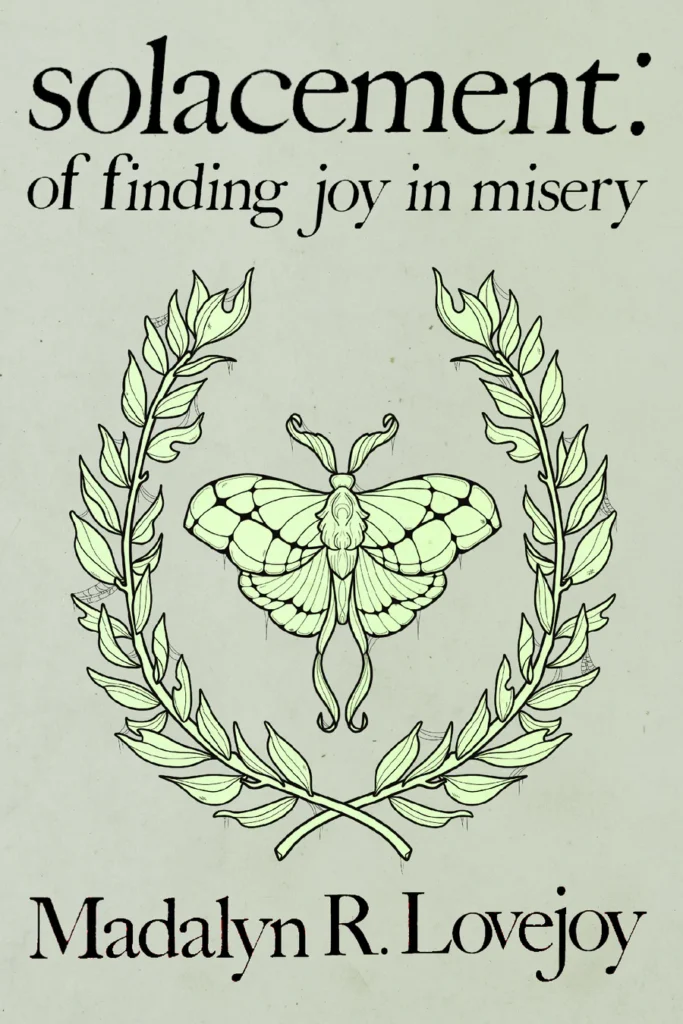
solacement: of finding joy in misery is a dichotomous work, moving back and forth between elation and despair to portray love, illness, and embodiment.
solacement is a piece that focuses on the positives and negatives of life, situating one perspective next to the other. It also utilizes nature and the seasons to clarify various mental states and moods.
solacement: of finding joy in misery reveals that while things aren’t perfect, peace can still be found when navigating life’s ups and downs.
King Yesenia, Henrick Karoliszyn
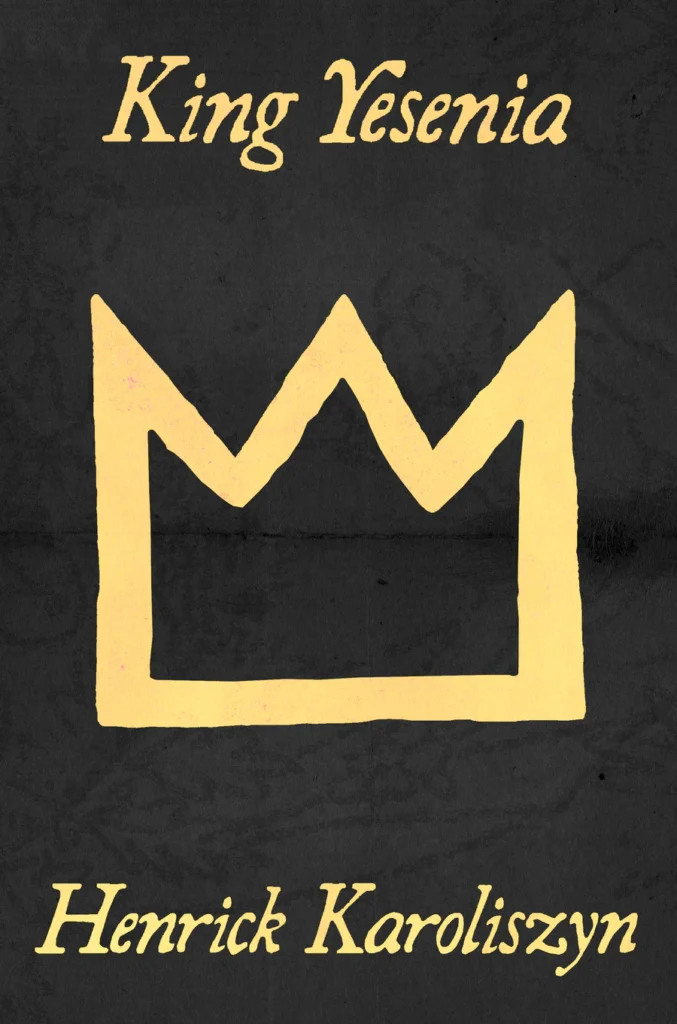
King Yesenia is a surreal desert elegy following an undocumented woman who renames herself after the death of her brother. Set against the haunted landscapes of the American Southwest, the work explores grief, migration, identity, addiction, and survival through fragmented visions and mythic prose-poetry. The title itself becomes an act of reclamation. “King” is not masculinity but sovereignty, a refusal to disappear in a country that has reduced her existence to legal status, labor, and fear. The desert acts as a spiritual borderland populated by peyote visions, junkyard prophets, narcotic cowboys, and ghosts who speak through its climate, memory, and machinery. At its core, King Yesenia is a meditation on self-invention and spiritual endurance in a hostile world.
Creekside, Jon C. Raimon
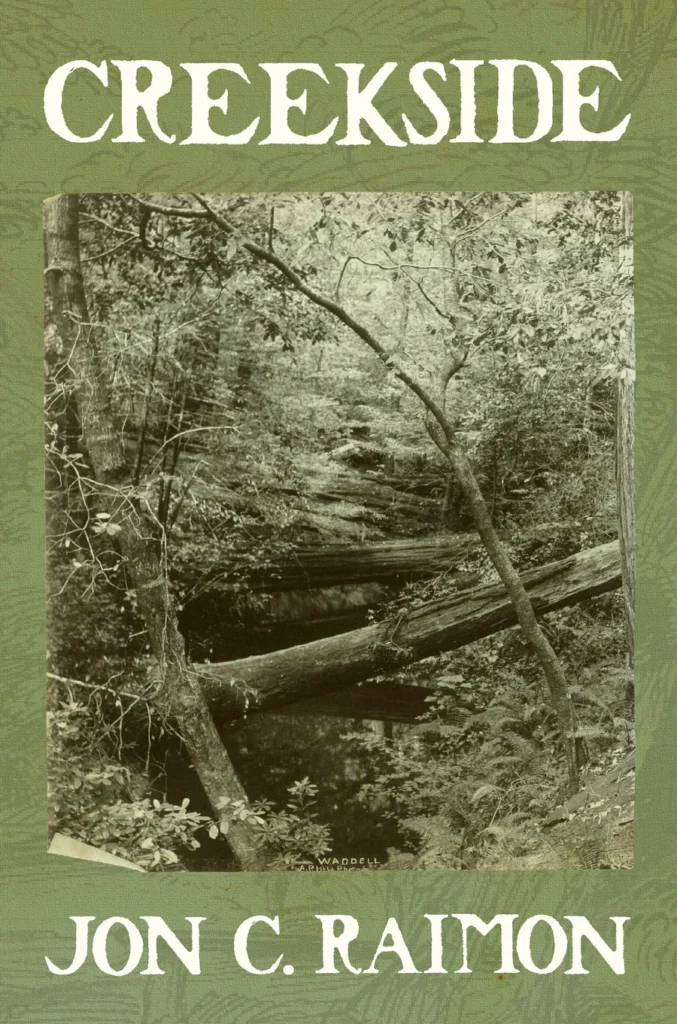
Creekside is a collection of poems inhabited by daughters and fathers, snakes and crows, sex and politics, waterways and backwoods. More a menagerie than a treatise, Raimon meanders through nature and human longings, befriending critters and trees along the way.
While the verse is spare and punctuated with dark silences, the poems still remain tender and welcoming: a hopeful envisioning rather than a gritty reflection. Raimon’s love of water and woods eddies through his poems.
Hopeless Tomato, Sarah Robbins
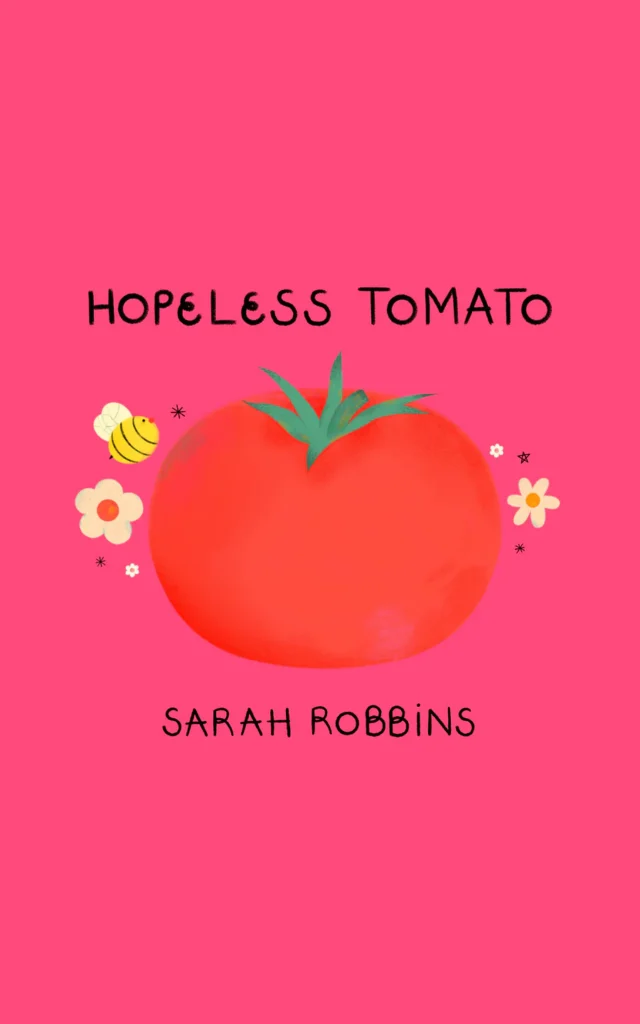
Hopeless Tomato is a collection of poems that exists at the intersection of playful and longing. The poems range in topic from thirst traps to video games to borderline-blasphemous bible verse reprises, with an often stream-of-consciousness flow that pulls you through to the last line. The collection is threaded together with a voice of sincerity that doesn’t take itself too seriously.
The Big Mistake, by Tessa Morello
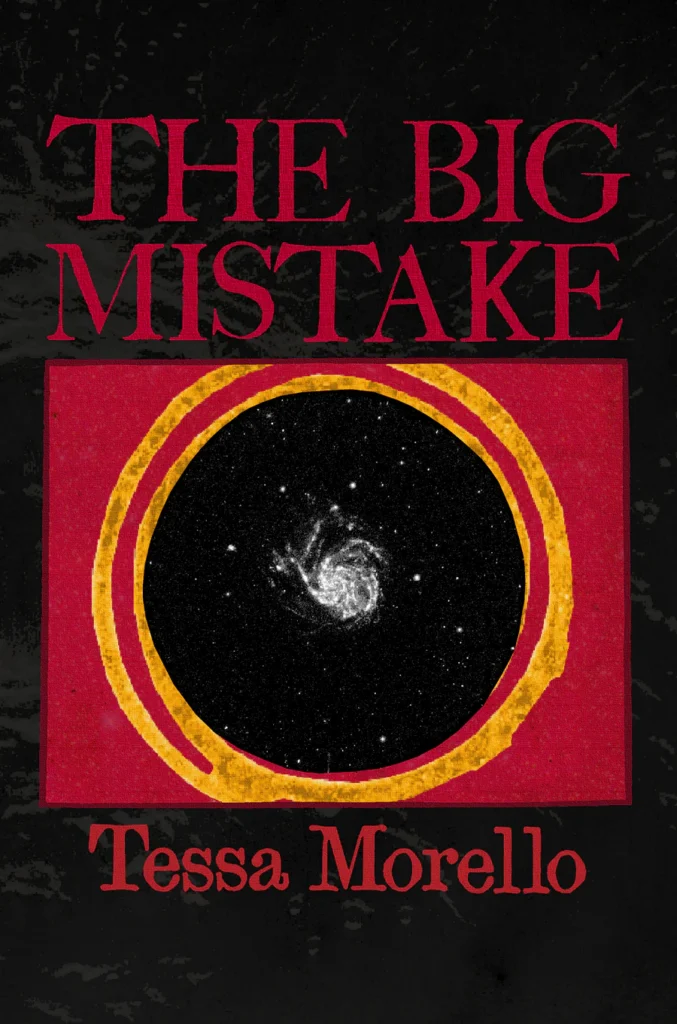
In THE BIG MISTAKE, the uncertain identity of Henry is central as it wobbles between a collection of verse, prose poem, and aphoristic prose. Far from being a character, Henry is real because of his unknowability. It is in the holes that perforate the structural instability of his identity that the reader is invited to enter and join him as he wades through the dense waters of pop cultural, literary, and theoretical references in that eternal search for self-determination and meaning. Fluctuating wildly between Henry’s addiction and asceticism, each piece interrogates his motivations and behaviors, not always kindly, bringing him, and the reader, closer to an unspeakable truth, though never arriving at it entirely.
sing eternal, Callie S. Blackstone
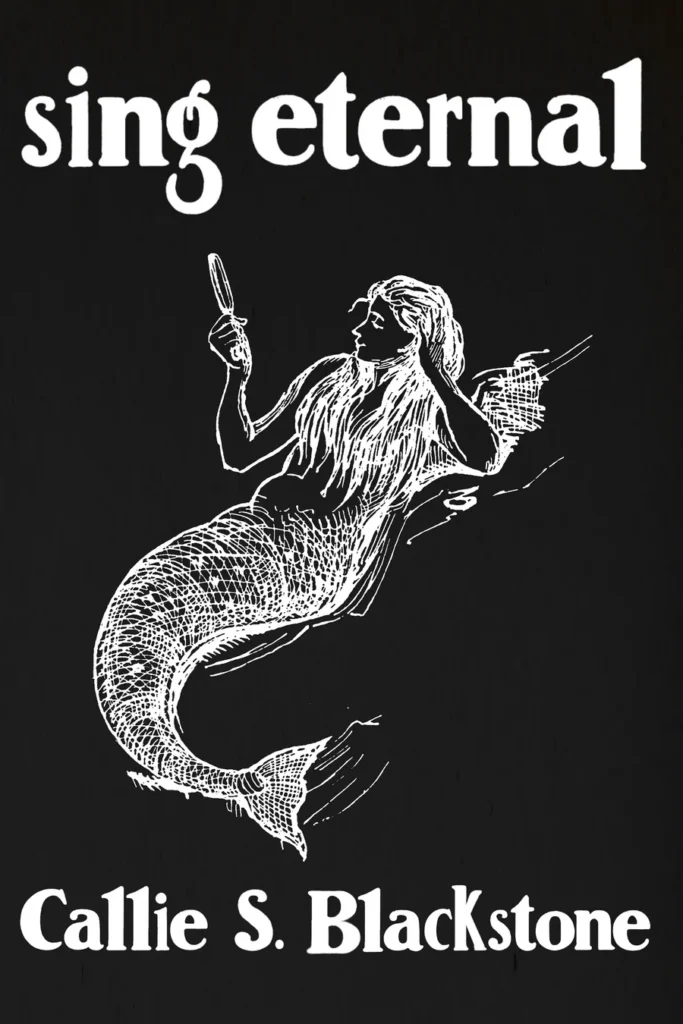
sing eternal is a hybrid memoir that was written in response to a suicide. As the writer processes this loss, the universe of the work continues to expand to consider her relationships with other men (especially the original, her father,) what it means to inhabit a body labeled female, sex and the commonality of sexual violence, and her own intimate relationship with suicide and a variety of self-harm tactics.
sing eternal utilizes many external sources/references, including hymns to an ancient Greek Goddess and the contemporary goddess that is Fiona Apple. The writer also utilizes the framework and language of witchcraft, a language that is inherently tied to womanhood and all the power and terror that lies therein.
Crater of Diamonds, Alexis Smith
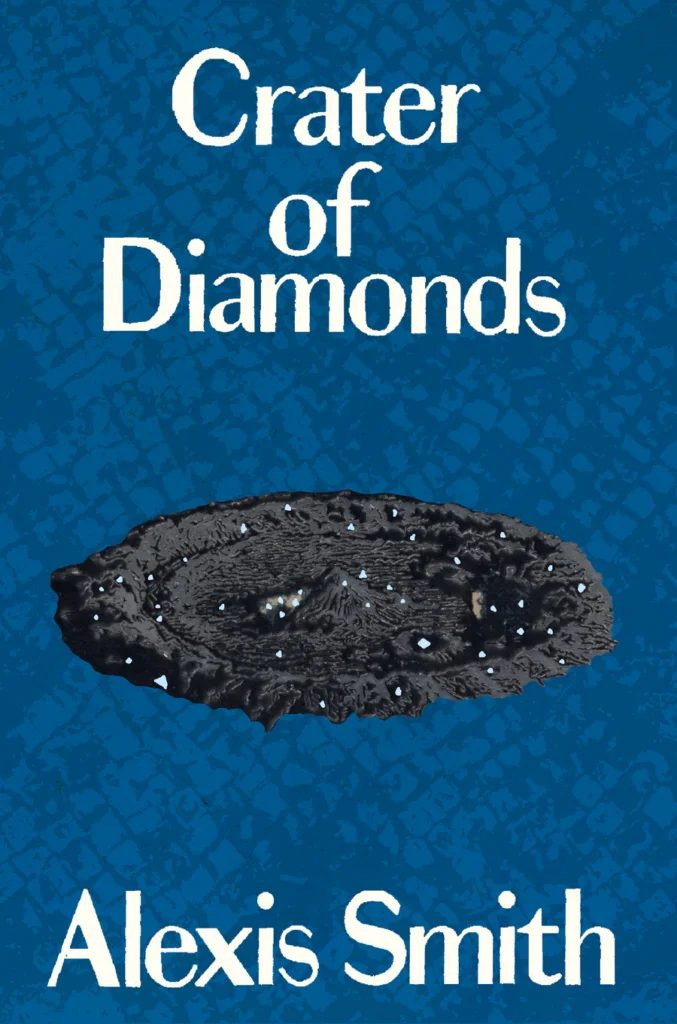
Crater of Diamonds is a reflection on motherhood through grieving and understanding the loss of great love. It makes a statement on the vulnerabilities of finding identity within the process of parenting alongside someone navigating addiction.
Crater of Diamonds draws you into the world of nostalgia, soaked with elements of the natural world.
Mummeries, Michael Gessner
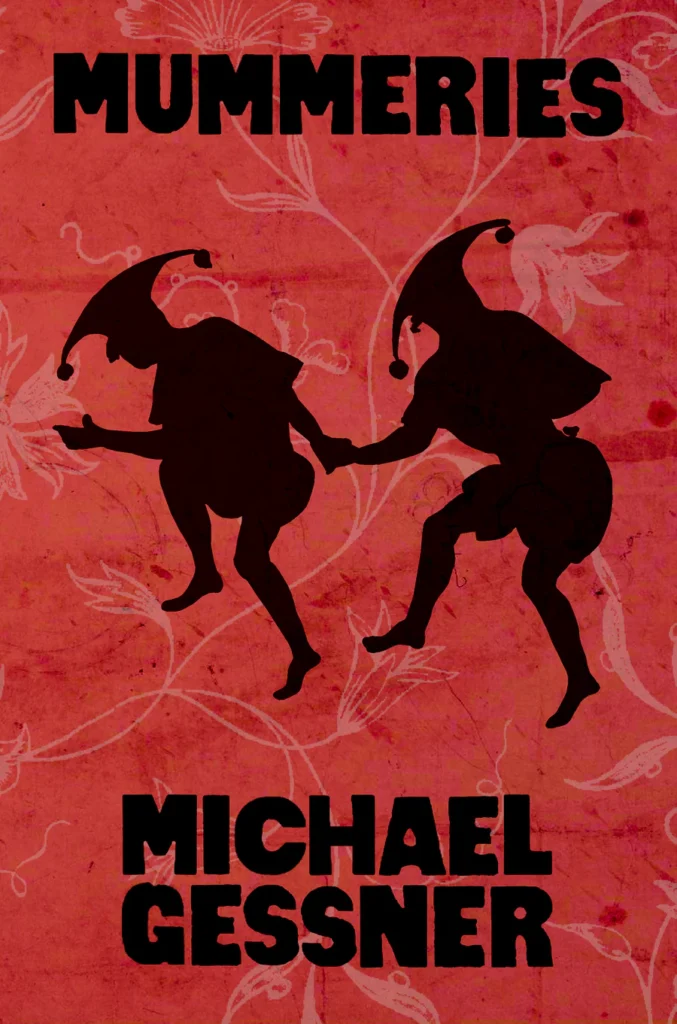
These poems represent a genre of poetry often overlooked, the satire, and what would be considered facetiae. The author could easily blame this satiric tendency on his Mother’s Irish side as he she too had such an attraction. There is something that is impish and giddy that seems to fascinate him. (Any serious literary person with serious literary ambitions would never admit this, after all, just look at what happened to Thomas Hood who, after two books of comic verse, published a collection of serious poems only to have to buy up the edition to save it from being used as wrapping paper.)
Mommy Issues: Love Poems for the Fragile, Queer Heart, Marlee Alcina Miller
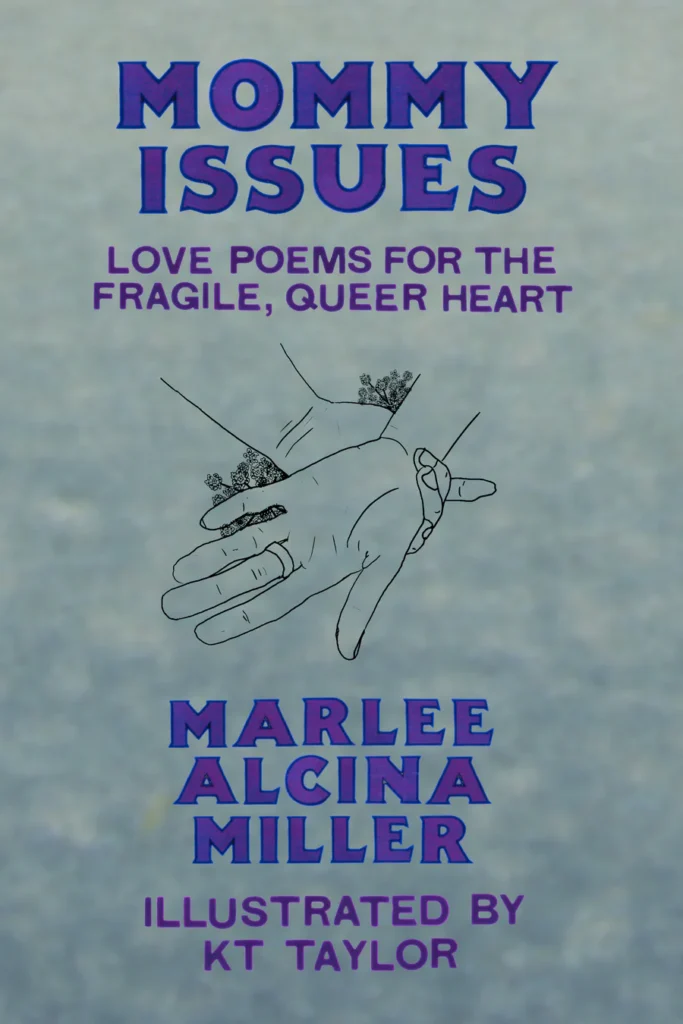
The poems in Mommy Issues: Love Poems for the Fragile, Queer Heart delve deep into the emotional intensity that surrounds the way I love– whether that love be romantic, platonic, family-oriented, or even a love for a physical space or realm. In addition, these poems explore the intersection between romantic love and mental illness, and what it means to love queerly.
The Bicycle Dog, Allen Frost
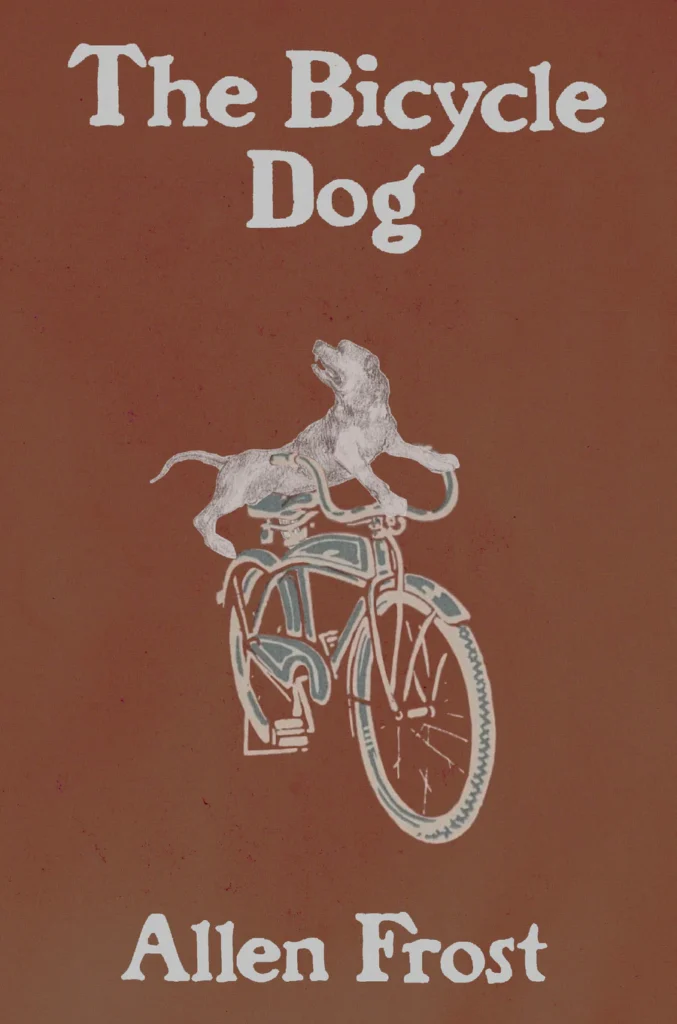
Here are sixteen worlds of used bird poetry. Be an astronaut in a dream and ride through with the bicycle dog.
Allen Frost is the author of many other books, most recently The New Prepared Piano. He lives in the Pacific Northwest but visited Los Angeles on Valentine’s Day and quickly wrote this book.
Say Yes, Anpu, Hugo Placer-Sanchez
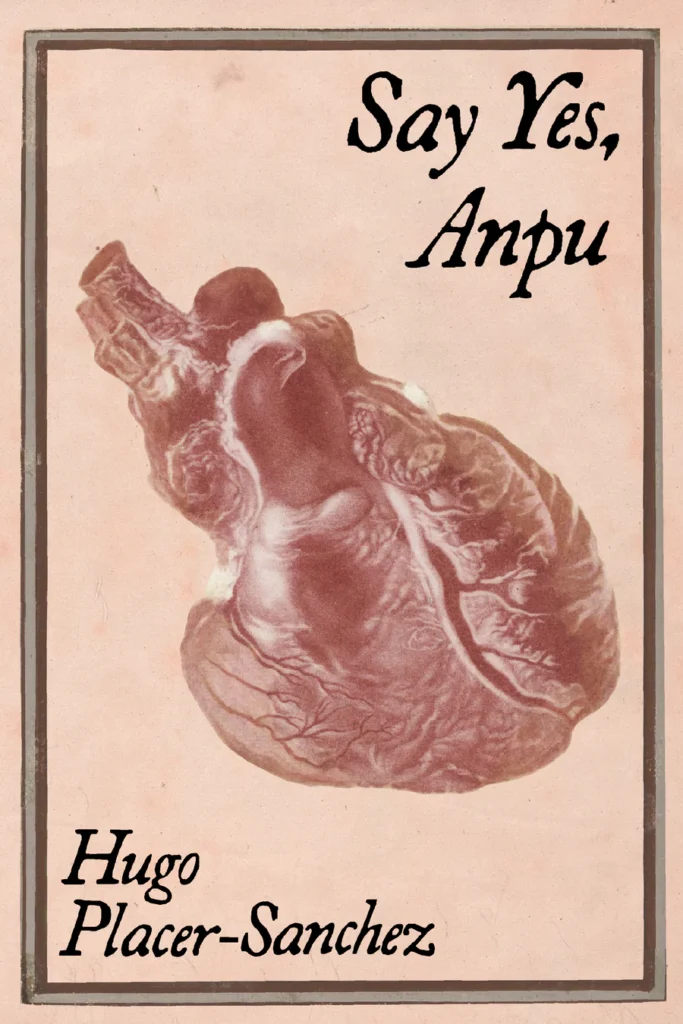
Say Yes, Anpu is a devotional cycle of poems rooted in a contemporary reimagining of Egyptian funerary theology, centering the god Anubis not as a remote mythological symbol, but as an embodied and affective presence within the grief-soaked fabric of modern life. Set untraditionally in liminal spaces like gas stations, supermarket aisles, and empty suburban roads, the chapbook navigates a ritualized intimacy between god and mourner, collapsing sacred distance and reclaiming death as a site of tenderness and revelation.
Don’t see a poetry chapbook published between 5/1 and 5/31 here? Contact us to let us know!
Contents
Chapbook Poem: Slow Burn by Evan Wang
“The concept of personifying a slow burn deeply resonated with who I thought myself to be—a slow burn, love flickering around me.” Read the featured Chapbook Poem of the Month for April 2026, “Slow Burn” by Evan Wang, along with a few words from the poet.
Book Excerpt: She wants shimmering scales by Nicole Alston Zdeb
“The nexus of the erotic, the social, and the body felt relevant to what I was experiencing at the end of the 20th Century. There are glimmers of personal lore as well…” Read the featured Excerpt Poem of the Month for April 2026, “She wants shimmering scales” from The End of Welcome by Nicole Alston Zdeb, along with a few words from the poet.
“I wanted to explore how time was registered not only by the calendar and clock, but also in the various utilitarian tasks of my mother’s life.” Read three poems by Ron Mohring, our first biweekly poet of the Spring 2026 issue, along with a few words about “Fuse.”
Three Poems by Andrew Pelham-Burn
“Children in these circumstances are deprived of love at a formative stage and learn to immediately behave like adults without the benefit of the learning path of childhood.” Read three poems by Andrew Pelham-Burn, our second biweekly poet of the Spring 2026 issue, along with a few words about “Conkers.”
A Conversation with John deSouza
“Language is a powerful tool and can do great harm both to ourselves and to those most close to us when used cruelly or selfishly.” Poet John deSouza discusses his chapbook, This Rough Magic, his creative process, and the influence of John Ashbery in this interview with editor Danielle McMahon.
Chapbook Poem: from Stray Hunter’s Bullet by Lance Le Grys
“…what interested me was the idea of a character who didn’t do what he was capable of, not because of external circumstances, but because of either a lack of will or a seemingly perverse one.” Read the featured Chapbook Poem of the Month for May 2026, from Stray Hunter’s Bullet by Lance Le Grys, along with a few words from the poet.
Book Excerpt: Love does not exist by Maria Giesbrecht
“This poem was inspired by a dream… I had this strange feeling when I woke up that it meant something more and started writing a poem to see if anything would reveal itself to me.” Read the featured Excerpt Poem of the Month for May 2026, “Love does not exist” from A Little Feral by Maria Giesbrecht, along with a few words from the poet.
“After a loss in my family, I discovered one grieves for both the living who hide their pain and for the dead who sleep in silence.” Read two poems by Patricia Wallace, our third biweekly poet of the Spring 2026 issue, along with a few words about “Fox.”
May ’26: New Staff, New Calls, New(ish) Name
Editor Aiden Hunt provides information about changes to PCR’s name, format, and staff in this editor’s note, which also contains links to our Spring calls for submissions.
“I kept thinking about how easily adults learn to stop seeing what’s right in front of them, especially when they’re somewhere between one country and another, neither arriving nor leaving.” Read four poems by Nivara Lune, our fourth biweekly poet of the Spring 2026 issue, along with a few words about “Notes Toward an Elsewhere.”
The Lines of Landscape: on The Catastrophes by Marie Scarles
“Scarles’ choice of title points away from place, and toward the book’s deeper and more powerful offering: a changed way of seeing, one of the hallmarks of any successful poetics.” Read the full chapbook review by contributing editor, D.W. Baker.
“Every time I plucked a few of the little orange sun sugars to take inside, their garden smell lingered on my fingers. It was almost enough to just sit with that scent…” Read three poems by Kait Quinn, our fifth biweekly poet of the Spring 2026 issue, along with a few words about “The Tomato.”
Chapbook Poem: Superbloom by Joyce Schmid
“That June, flowers bloomed everywhere in Northern California—as if to honor her, to celebrate her life. This poem is an attempt to accept the fact that she is really gone.” Read the featured Chapbook Poem of the Month for June 2026, from Superbloom by Joyce Schmid, along with a few words from the poet.
Book Excerpt: The Well by Robin Becker
“Allowing flickering sentiments and images to play against one another, I replicated one form of consciousness. A surprising aspect of the poem: the sudden appearance of figures of government.” Read the featured Excerpt Poem of the Month for June 2026, “The Well” from Midsummer Count by Robin Becker, along with a few words from the poet.
“Like a lot of my poems, this one reaches toward something impossibly out of grasp. But … maybe that’s the power of a poem, to momentarily touch something out of our reach.” Read three poems by Scott Weaver, our sixth and final biweekly poet of the Spring 2026 issue, along with a few words about “Annotating The Inferno.”
A Conversation with Abby Minor
“[A] long time ago I realized, and more or less accepted, that I would commune with most of my poet teachers and comrades via their work, not in person. And my work is how I talk to them.” Poet Abby Minor discusses her chapbook, Infinity Ballot, her Jewish-Appalachian heritage, and her convictions in this interview with new contributor, Julie Swarstad Johnson.