Contributions
- Two Poems by Aardhra Chandran
 “Through images of a familiar street, personal belongings, and a figure suspended in time, the poem considers absence, remembrance, and the quiet ways we continue searching for those who are gone.” Read two poems by Aardhra Chandran, our seventh, and final, biweekly poet of the Summer 2026 issue, along with a few words about “Street View, 2021.”
About the Contributor
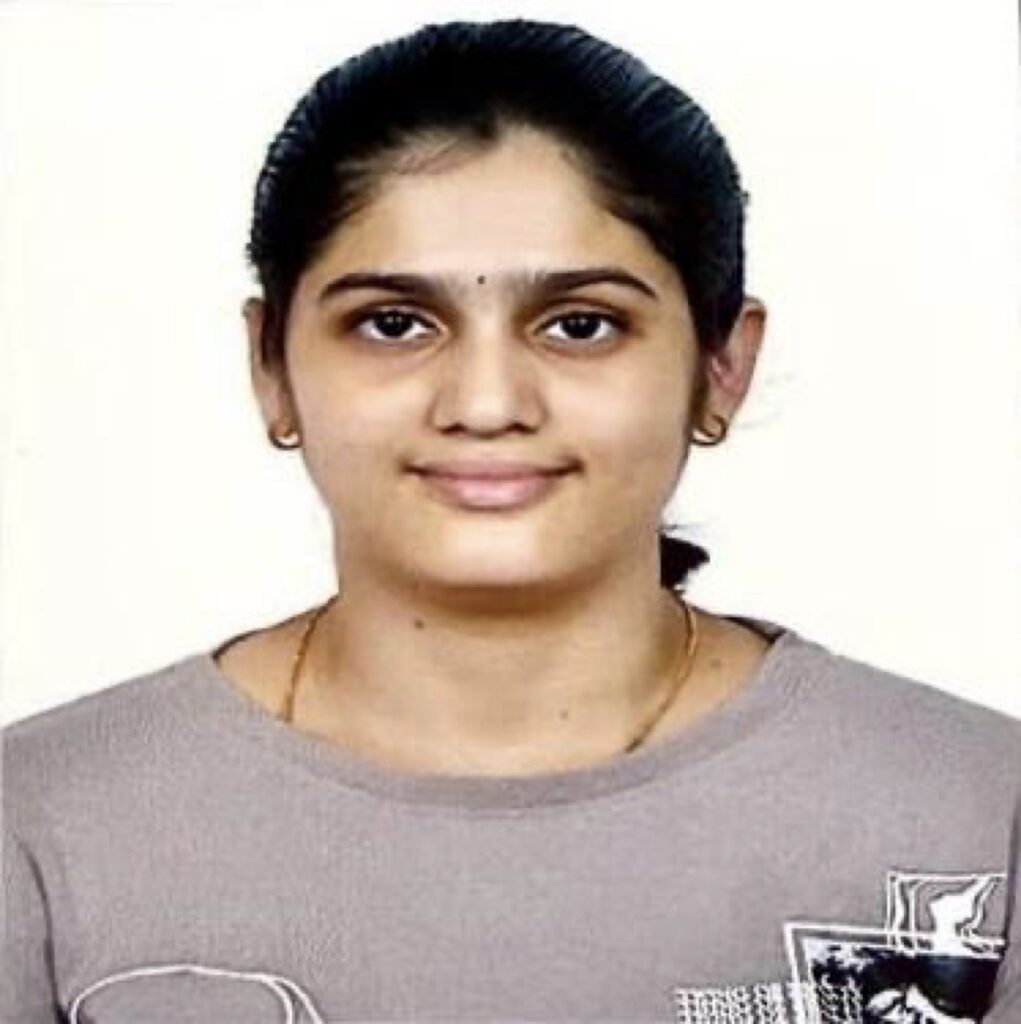
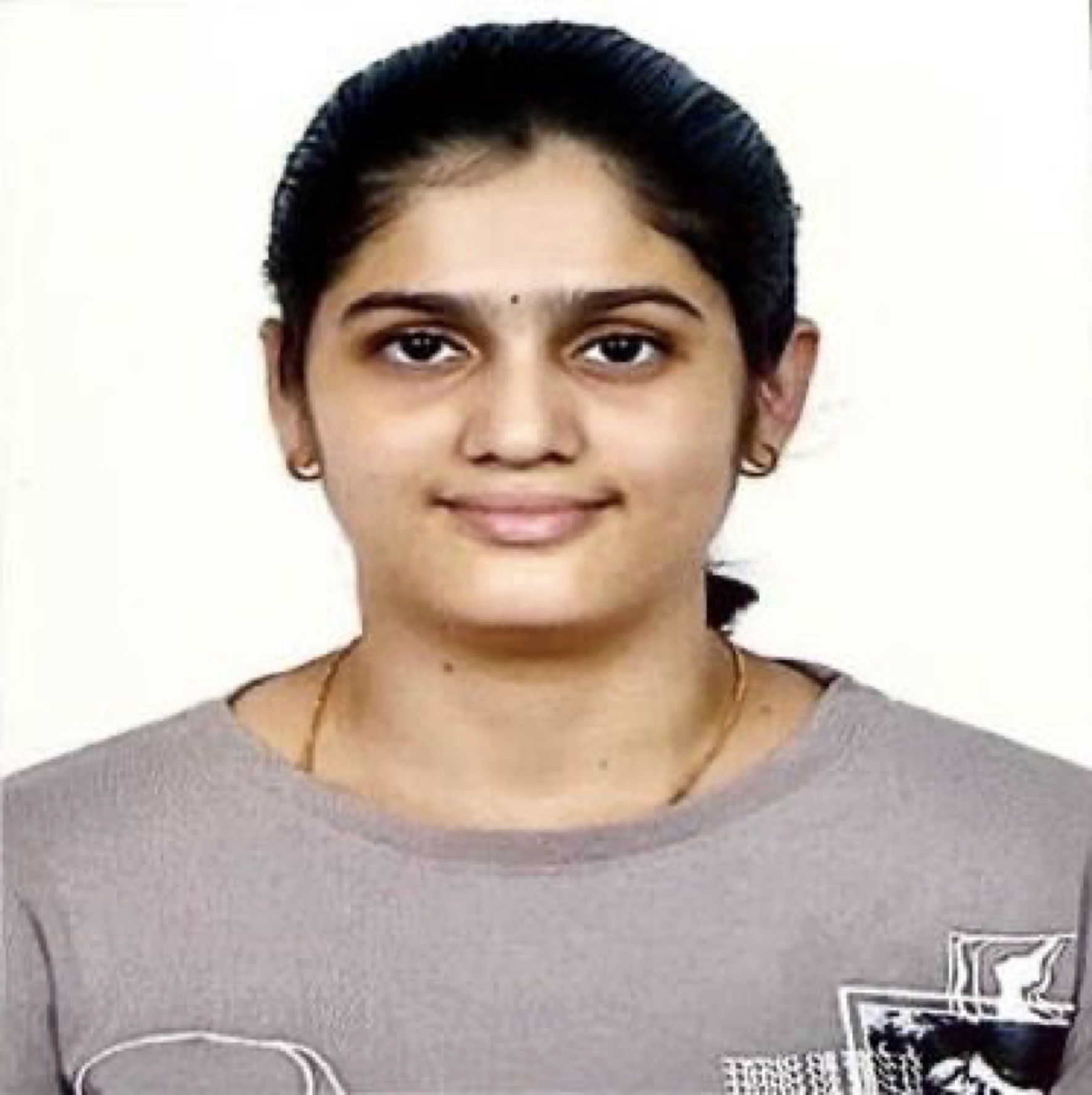
Aardhra Chandran is a poet and postgraduate student from Kerala, India. Her poetry explores memory, inheritance, grief, and the quiet histories carried by ordinary objects. Her work has appeared in Gulmohur Quarterly, Zhagaram Literary Magazine, The Eunoia Review, Borderless Journal, Punch Magazine, and Active Muse, among others.
Recent Work
- Last Night’s Silence – Five Poems by Aardhra Chandran (Thechakkar)
- Three Poems (Gulmohur Quarterly, Issue 22) –
- Poem: “Blue-Ink Ledger” (Rust & Moth)
- Poem: “Monsoon Afternoons” (Borderless Journal)
- Poem: “Blue Rexine” (EKL Review)
Contributor Q & A
Can you tell readers a little about yourself and your life?
I’m 23 and a poet and postgraduate student from Kerala, India. I’m interested in literature, language, and the cultural life of Kerala, and much of my writing grows out of close attention to ordinary places, objects, and everyday histories. I’m especially drawn to the ways memory and inheritance can settle into things around us. Outside writing, I enjoy reading, exploring language, and paying attention to the small details of everyday life.
How long have you been a writer and how did you get started?
I’ve been writing poetry for several years, but I began taking myself seriously as a writer when poetry became more than something I wrote privately and became a way of paying closer attention to the world around me. I was drawn to poems that could hold emotion through image, physical detail, and silence rather than explain it, and that gradually shaped the kind of poet I wanted to become. My first professional break came when my poems began finding homes in literary journals, which gave me the encouragement to keep submitting and developing my work. Since then, publishing in journals across India and internationally has helped me understand writing as an ongoing practice rather than a single destination.
What’s an accomplishment in your writing life of which you’re proud and what do you still hope to acheive?
I’m proud of building a growing body of published poetry while staying committed to developing a voice that feels distinctly my own. I’m especially proud of seeing my poems find homes in journals in India and internationally. My goals are to continue publishing work I believe in, develop a cohesive first poetry manuscript, and eventually see that manuscript published as a book.
What do you look for in a book?
I’m drawn to books that trust the reader and make me look at the familiar differently. In poetry especially, I love precise, image-rich writing where emotion emerges through physical detail rather than explanation. My favorite writers include Emily Dickinson, Sylvia Plath, Ocean Vuong, and Mary Oliver, whose work I return to for its intensity, attentiveness, and distinctive ways of seeing. I look for writing that feels necessary and stays with me after I’ve finished reading. I tend to pass on books that over-explain their meanings or rely too heavily on familiar phrases.
Contents
“This language offers one possible framing through which to appreciate the law’s capacity to hope for, request, and even command commitment to a more just future.” Read two poems by Maggie Wang, our first biweekly poet of the Summer 2026 issue, along with a few words about “Possibilities for Action.”
Chapbook Poem: I’ll Never Look This Good Again by Douglas Piccinnini
“[The poem] came out of real pressure: despair, worry, and grief I wanted to hold unflinchingly, alongside the anxiety of becoming a parent… For me the poem became a meditation on all the feeling that surfaces precisely when we’re told to feel only joy.” Read an excerpt from Douglas Piccinnini’s chapbook, House of Bad Memories, along with a few words from the poet.
“She sees herself in carbon, the element that bonds with almost anything- not because it wants to, but because it has empty spaces and things keep showing up to fill them. Notifications. Noise. Needs that never stop arriving.” Read four poems by Joely Williams, our second biweekly poet of the Summer 2026 issue, along with a few words about “Single Mother Considers the Periodic Table.”
ADHD in a Non-ADHD World: on Undersight by Alison Hurwitz
“[Hurwitz] shares moments of angst and moments of awe. More than that, there are moments of deep recognition. She sees herself in [her sons] and, in fact, receives a later-life ADHD diagnosis of her own.” Read the full chapbook review by new contributor, Nancy Murphy.
“The woman’s head & hair are lavishly dressed. I probably leapt off the logic of the hairdresser being blind and therefore had to work on the head/body/mind rather than just hair as a surface issue of presentation.” Read two poems by Irene Cunningham, our third biweekly poet of the Summer 2026 issue, along with a few words about “The Blind Hairdresser.”
Flash Fiction: Nova by Kimmy Chang
“‘Nova’ is a lyrical second-person story about the narrator’s first true encounter with death…the story presents loss not as beautiful in itself, but as the place where beauty begins.” Read the first original fiction piece of the Summer 2026 issue, “Nova” by Kimmy Chang.
“To fit the nuanced, dimensional experience of dysphoria and transition into narrative…often feels flattening, falsely assured. I wanted to look at this discomfort I felt, to see what was necessary in it.” Read three poems by Joshua Zeitler, our fourth biweekly poet of the Summer 2026 issue, along with a few words about “Cobbling.”
Excerpt: “On the puzzle still inside my head” by Truong Tran
“I am trying to excavate memories. I am trying to negotiate the difficult realities of existing as a brown man in this country and within the consciousness of white America.” Read an excerpt from Truong Tran’s forthcoming book from City Lights, How to Exi(s)t: A Poet’s Memoir.
“These poems try to make sense of how I arrived at a life that probably seems well thought-out, but has been one reactionary choice after another.” Read three poems by A.R. Dugan, our fifth biweekly poet of the Summer 2026 issue, along with a few words about “Sleeptalking.”
Original Fiction: Muse by Somtoo Celestine Ezioha
“What I tried to trace was the underside. How watching someone closely for long enough becomes a substitute for approaching them.” Read the second original fiction piece of the Summer 2026 issue, “Muse” by Somtoo Celestine Ezioha.
“After childbirth, my body became a site of criticism rather than something to be celebrated for what it had endured and created. Writing this became a way to confront that experience…” Read three poems by Tanya Tuzeo, our sixth biweekly poet of the Summer 2026 issue, along with a few words about “i get Botox.”
“Through images of a familiar street, personal belongings, and a figure suspended in time, the poem considers absence, remembrance, and the quiet ways we continue searching for those who are gone.” Read two poems by Aardhra Chandran, our seventh, and final, biweekly poet of the Summer 2026 issue, along with a few words about “Street View, 2021.”
Original Fiction: Aletheia by Kalliste Hardy
“Each fragment opens a door to the unsaid or the forgotten, letting language bruise and bloom. It is a study in red, in inheritance, in language, and of the quiet haunt of becoming.” Read the third, and final, original fiction piece of the Summer 2026 issue, “Aletheia” by Kalliste Hardy.