
Due to difficulties in obtaining information in advance of chapbook releases, chapbook listings for the previous month are published at the end of each month. This post contains information about poetry chapbooks that we know about published during August 2026.
Information, including product descriptions, is provided by the publisher and not a critical judgment. If we cover the book on this site, links will be included.
Moonstone Arts Press
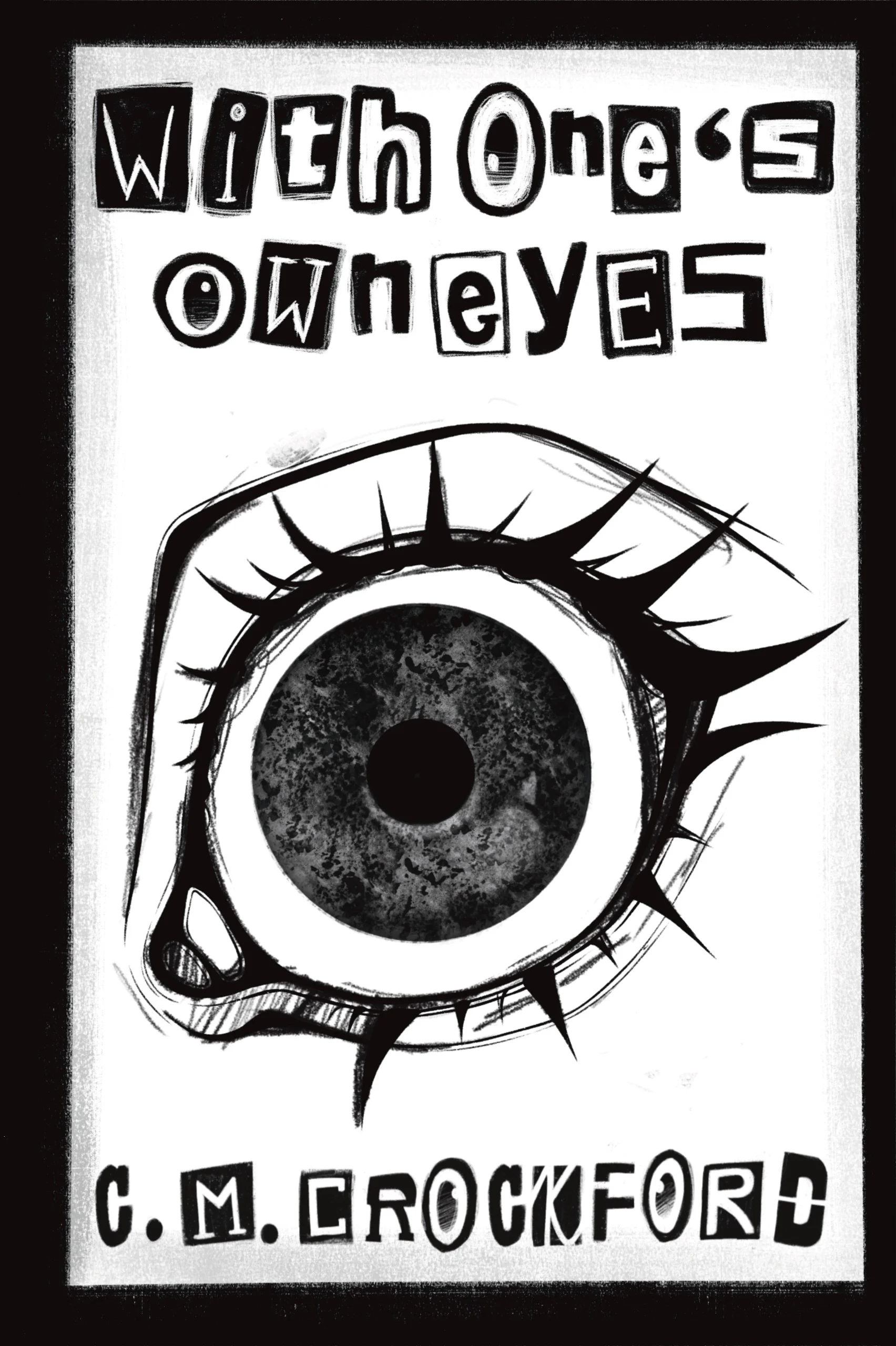
With One’s Own Eyes, C.M. Crockford
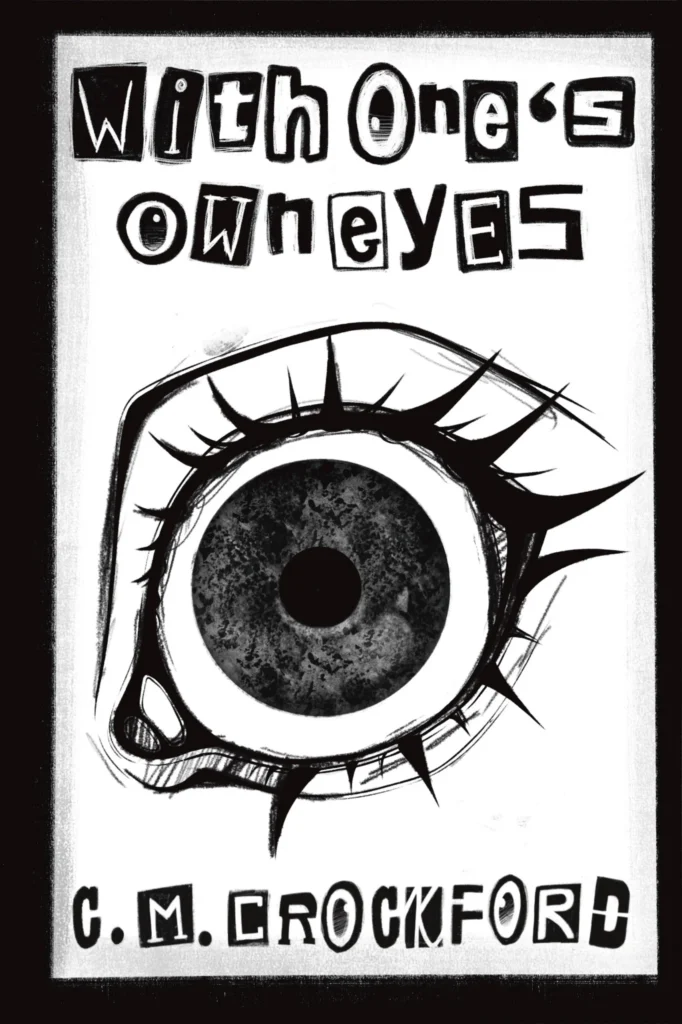
“The primary movement of Crockford’s poems is the clinamen — not in Harold Bloom’s sense, but the original atomic sense of Epicurus: the unpredictable swerve of the atom from which free will itself is born. These poems smash pop- and high-cultural references into vivid fragments of visceral perception, and the arcs they trace against and away from one another enact a poetics of free will: of a self which, apprehending its place in a vast system of slop and blood and money, summons the will to wrench away — to swerve.” —Matthew Kosinski, Year of the Inverted Star
Prolific Pulse
Orpheus My Orpheus, William Doreski
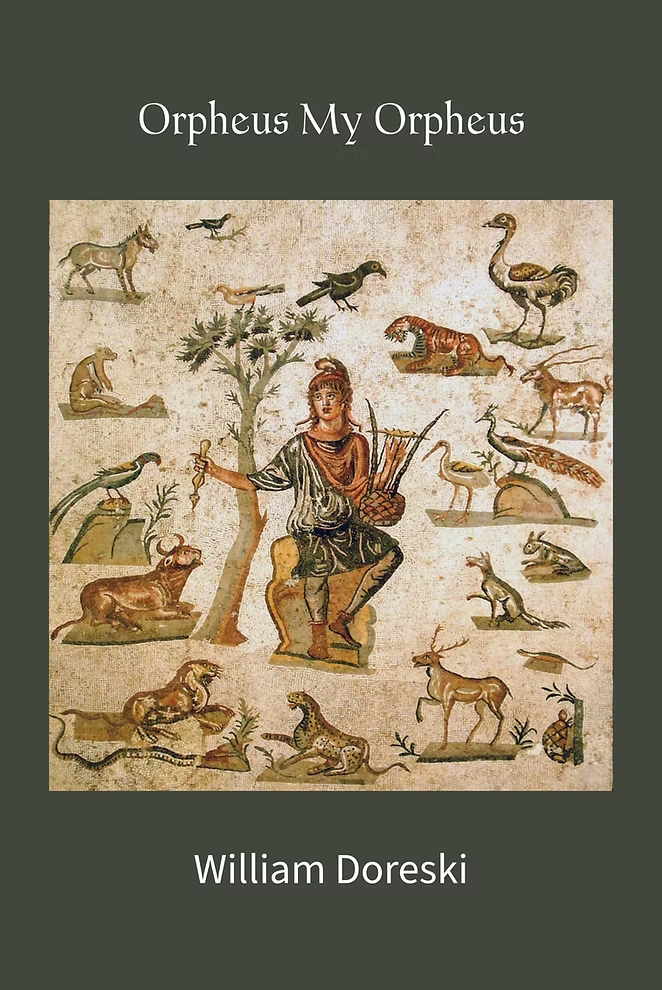
Orpheus My Orpheus is a slim, restless collection of seventeen poems in which art is never mere decoration – it is a disruptive force that exposes the hidden dimensions of experience, and poetry itself becomes a form of survival even when the body fails.
Written by New Hampshire poet William Doreski, a former student of Helen Vendler, this collection moves in accentual verse – a fast-swerving, seven- to nine-syllable line that veers from the domestic to the mythic to the grotesque with startling emotional agility. The effect is disorienting in the best way, keeping readers slightly off-balance, the way a dream does.
Rockwood Press
Black by the Bedside, Khadija Ceesay
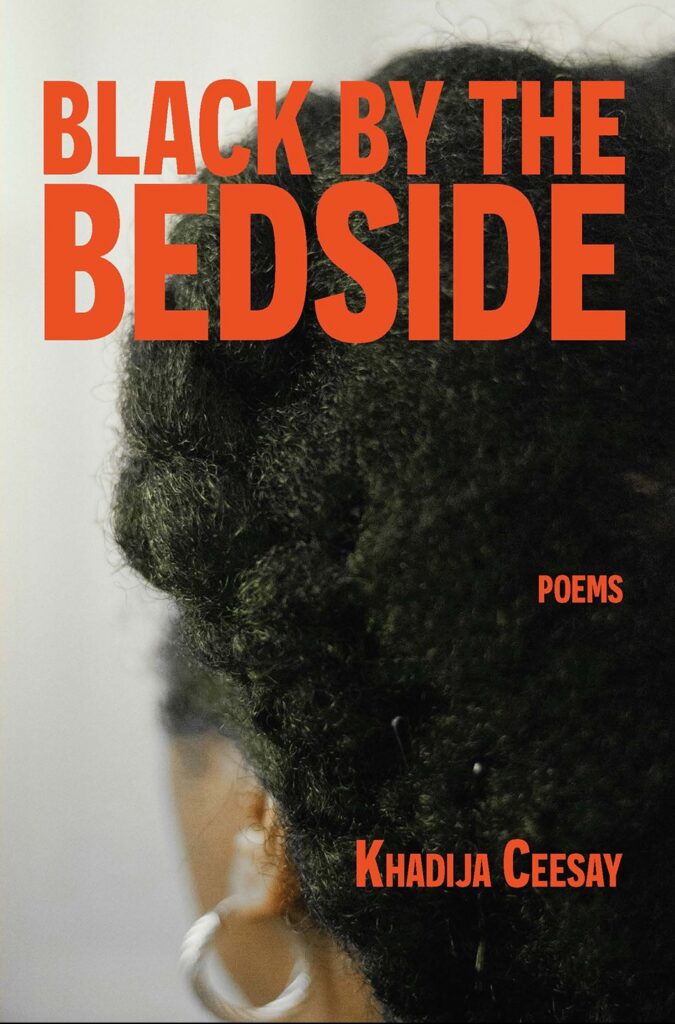
Part confession, part survival, this collection gathers poems born from memory and resistance. In Khadija Ceesay’s debut chapbook, a resilient woman recollects her own childhood pains, politics, and passions that have transfixed her to this day. These poems trace the echoes of hurt while reaching toward something softer. From facture to freedom, each poem carries hope like a small flame in the night.
Small Harbor Publishing
Sick Letters from the Lovebed, Meghan Sterling
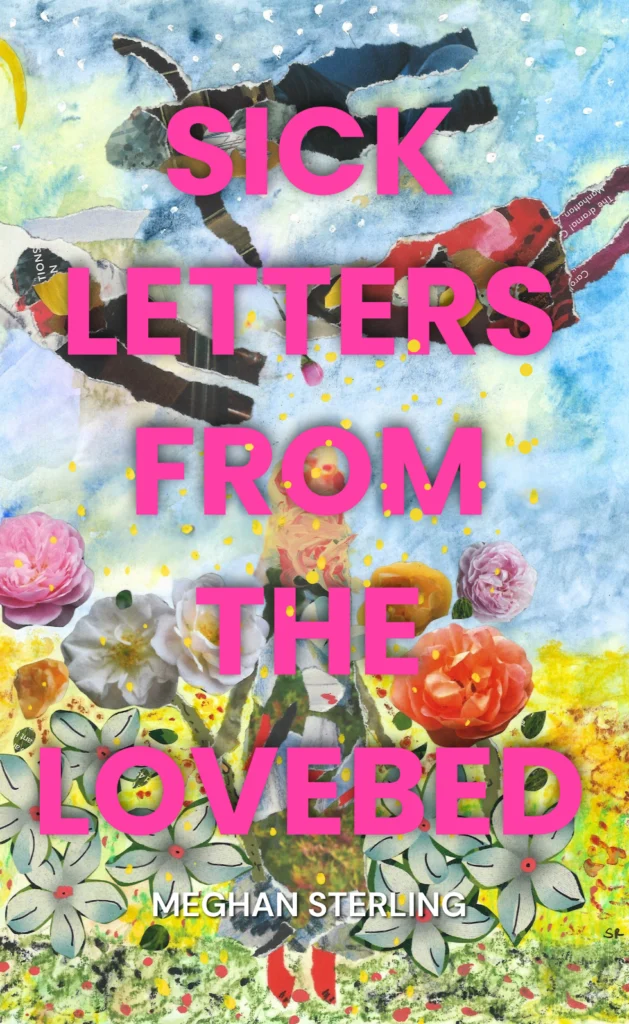
“In Meghan Sterling’s book of poems, Sick Letters from the Lovebed, the reader is immersed in the experience of the body failing— naming illness as owl, as sea, as nature. The speaker searches for how to connect to her family, her daughter, her husband; what’s left when we’re haunted by all we’ve inherited and the illness consuming us? These poems will ask you to sit in stillness, to listen and reimagine the body that was, that is, & will be.” —Minadora Macharet, author of Love Me, Anyway
hallelujah, honey bun, Isaac Akanmu
There is no questioning the power of a favorite snack. The flavor profiles, textures, presentation, and mere mention of the snacks in our personal histories can trigger memories otherwise out of reach. hallelujah, honey bun is a collection of poems following the crumbs of honey buns through warm nostalgia into raw reflection. Priced at two for a dollar, the honey bun was the unofficial snack of latchkey kids and cornerstore regulars in New York City. This collection unwraps the sweet swirls and forgotten ingredients that shaped a boy and his community. As a spiritual map, hallelujah, honey bun connects after-school rituals with the macro and micro ingredients influencing generations of city kids.
Sarabande Books
Instar Hotel, Jon Stone
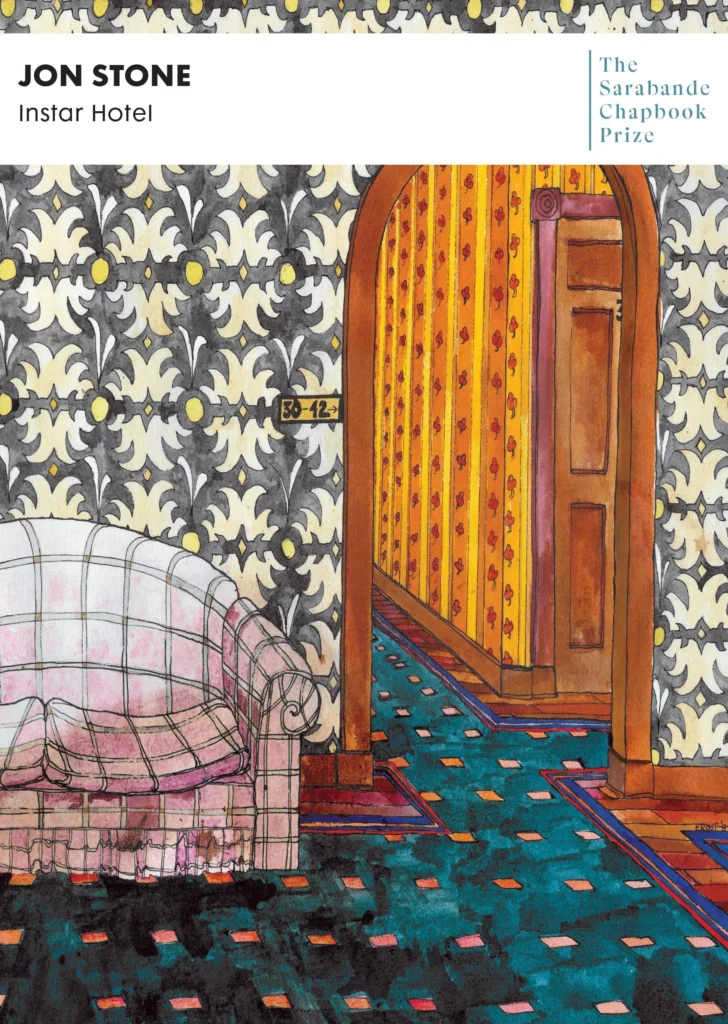
At the heel-end of the southeasternmost limb of some unknown great city, lies a slender, five-floor Instar Hotel that is full to the brim. It is 10.05pm on a Friday night, in September, and the hotel guests are in their rooms – packing up, settling in or contemplating the days ahead and those past. But the guests are not your usual suspects. Award-winning British author Jon Stone takes us from room-to-room asking the reader to observe and listen to the Red-Tailed Bumblebee in Room #4, the Devil’s Coach-Horse in Room #12 and the Cranefly in Room #14. Equal parts Kafkaesque and an amusement park fun-house, this slim collection is witty, sharp, and pays homage to the smallest of creatures.
Rivers, rivers, rivers, Triin Paja
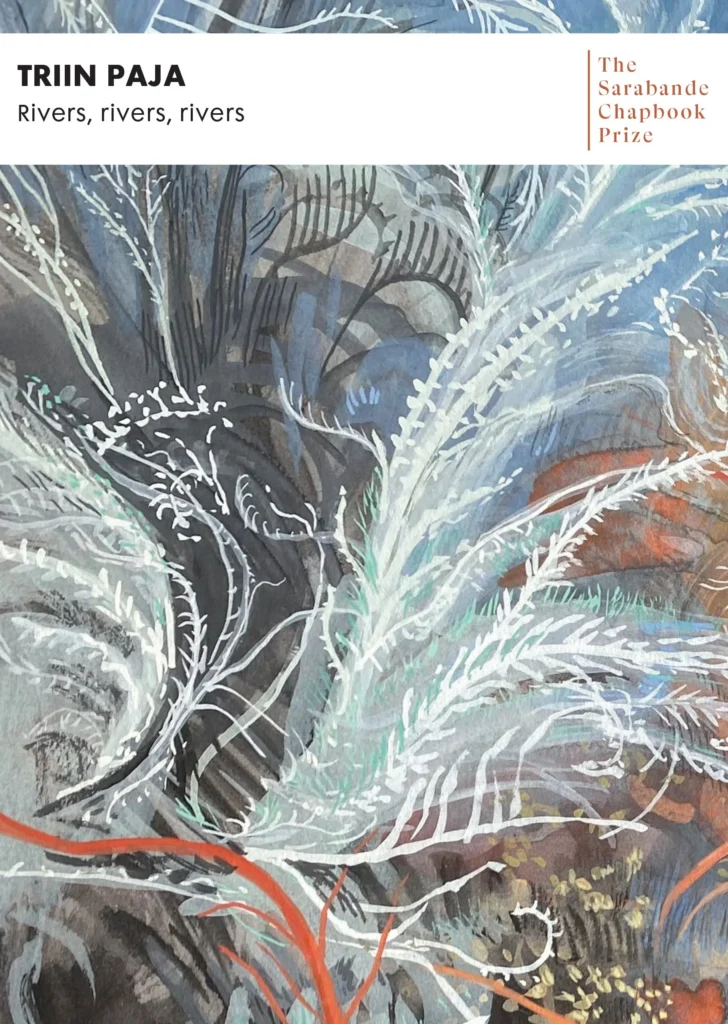
From award-winning Estonian poet Triin Paja, comes a reflective poetry chapbook collection on the lineage of her family’s women, through Soviet and post-Soviet times, touching on grief, nature, and myth. Steeped in wilderness and forests, fields and wildlife, Rivers, rivers, rivers is an examination of transition and change both in nature and in ourselves.
Bottlecap Press
Quarantine Bedroom Pop, Becca Klaver

Quarantine Bedroom Pop roams through spaces it was possible to occupy in spring 2020: home, hiking trails, bike paths, social media, and dreamscapes. The 21 sections of this lo-fi poetic sequence tune into the voices and sounds, outer and inner, tangled in the space-time warps of early pandemic lockdown. An “astralvigilant” speaker quests deeper and deeper into silence and invisibility, meeting up with friends and spirit guides in the IRL’s elsewheres: the unconscious and the internet.
These poems play with paradoxes: desire blooming amidst stagnancy, the mundane crescendoing into the mythic. Defeat reveals plateaus of grace we can never linger too long in, only revisit, and only through fresh loss. The threat of collapse lets music, light, and wine flow; meanwhile, the sky puts on a show.
Hunting Indiana, Wade Thiel
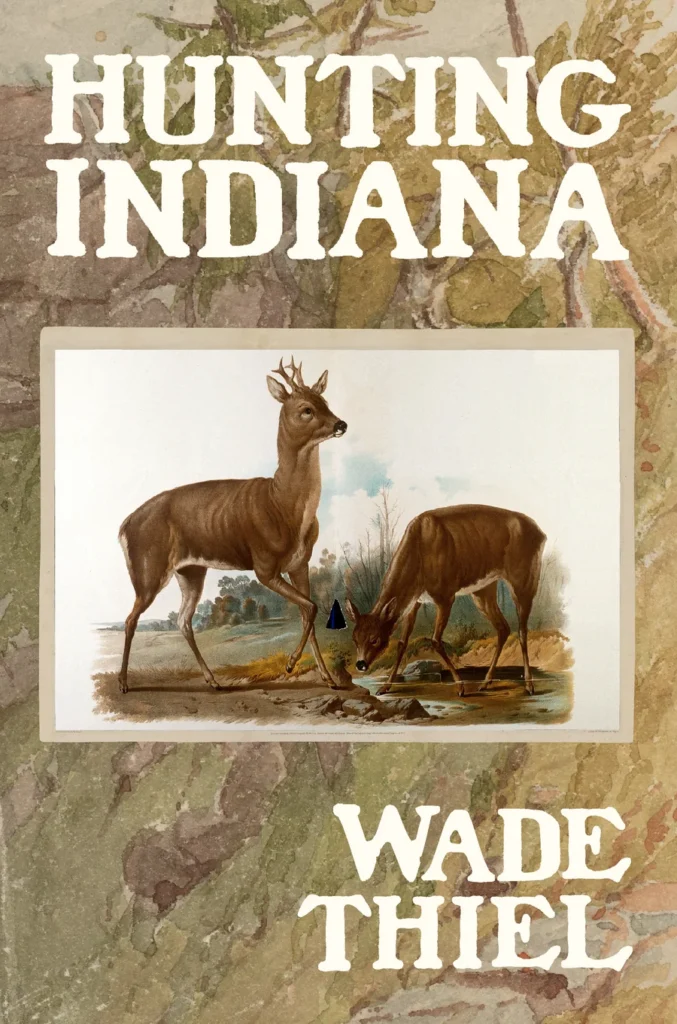
In Hunting Indiana, Wade Thiel processes the moments and memories collected while hunting game of various types in the woods and fields across the Hoosier state. The poems span a couple of decades, from his early years, hunting with his father and uncle in Northern Indiana, to adulthood, hunting with friends down south in the Hoosier National Forest.
The heart of this collection is the people. Hunting is never fully about the pursuit of wild game. Wade uses hunting as a way to connect with those he loves. In this way, the collection of poems is an ode of sorts to his family and friends and the life they have given him. This collection is as much about life as it is death and everything that comes with it.
Blackberry Blackberry Blackberry, Collin Garrity
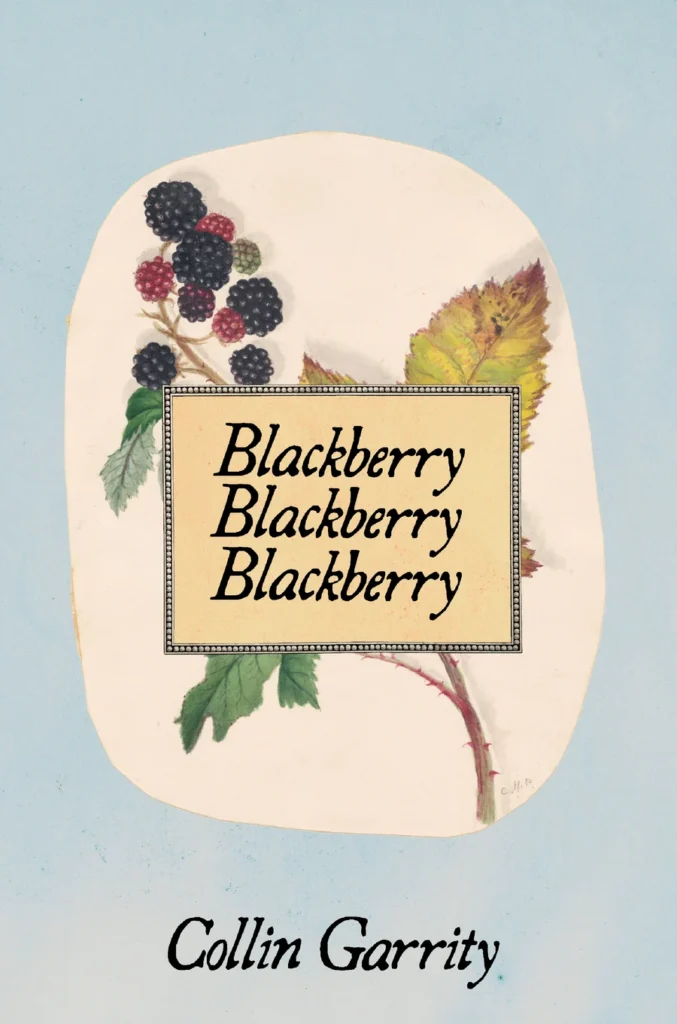
A blackberry bramble leans rigid over a stream, ignorant of the growing town a mile to the east. Each morning a young man arrives to talk at the bush, offering an unfiltered glimpse at his grief and uncertainty. Every morning the blackberry bush sits unresponsive and dependable, responding only to the slow-moving seasons in the customary way. Undeterred, the young man takes to asking the thornbush questions, curious about increasingly vulnerable aspects of the plant’s imagined feelings. Interest becomes jealousy as he begins to covet the lucky forgetfulness of the unthinking shrub.
After months of visiting in secret, the boy becomes content to simply describe to the blackberry what he has seen in the village each day. As the one-sided conversations become less intimate they also become increasingly incomprehensible. One morning, the boy makes his customary excuses to visit the spot by the creek, only to find the plant uprooted and missing.
above/ground press
Useful Poems, Cary Fagan

Cary Fagan is the author of novels, short story collections, children’s books, and poetry chapbooks. His next novel, Still the World, will be published by Book*Hug in 2027. He is involved in two chapbook houses, espresso and Found Object. This is Fagan’s fourth title through above/ground press, after Fifty-Two Lines About Henry (2024), then / here / now / there (2025) and The Sun Will Bleach It Away (with Rebecca Comay; 2025).
Leaning In, Harold Hoefle
Harold Hoefle’s poems have won the Bliss Carman Award, the Great Blue Heron Poetry Award (2014), and a National Magazine Awards silver medal. His debut collection of poems, The Night Chorus, was published by McGill-Queen’s University Press. He has also published a collection of short-fiction called The Mountain Clinic (Oberon Press). Harold lives in Ottawa, teaches in Montreal.
The Common Dark, Mark Goldstein

Mark Goldstein is a writer, editor, translator, and graphic artist. His work includes the serial poem Endlossong (forthcoming), his book length translation of poems by Paul Celan, Thricelandium (2024), his transtranslation of Kafka’s novel, The Trial, as Her Process (2021), poems, essays and interviews published as Part Thief, Part Carpenter (2021), his long poem, Form of Forms (2012), which was a finalist for the International Stiftung Buchkunst 2014 competition in Leipzig, as well as his poem collection, Tracelanguage: A Shared Breath (2010), and After Rilke (2008). Moreover, he co-edited AnyWord: A Festschrift for Phil Hall (2024), as well as the virtual anthology Paul Celan/100 (2020).
provocations, Grant Wilkins
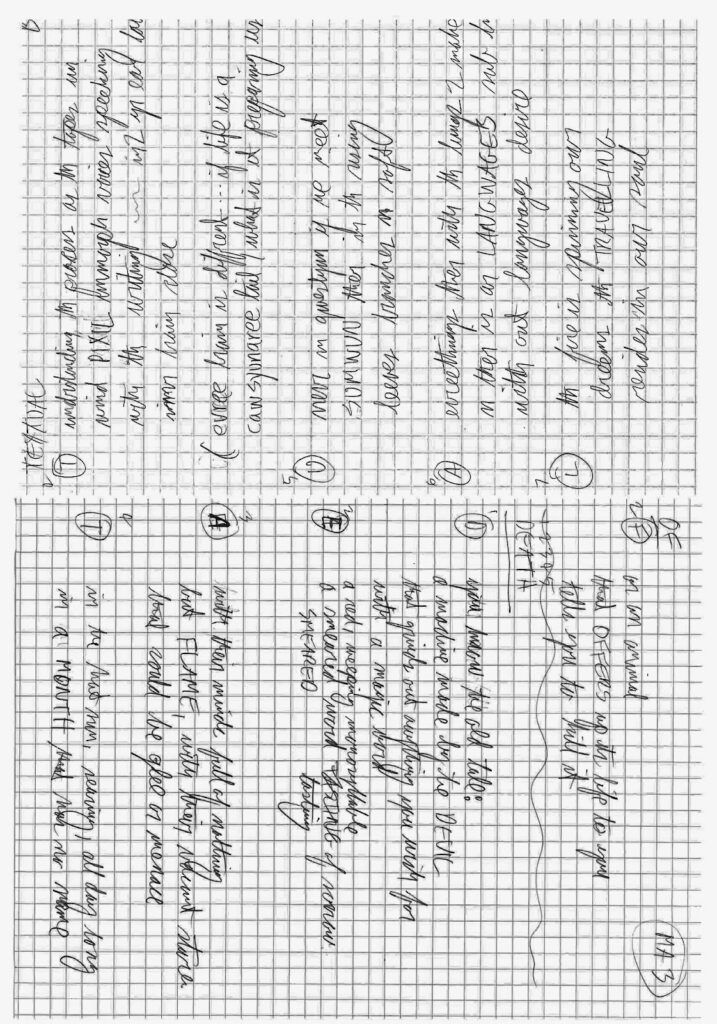
Grant Wilkins is an occasional poet, printer and papermaker who has made a practice of doing strange things to other people’s words. He has degrees in History & Classical Civilization and in English, and he’s working on another one in Art History. He lives in Ottawa on the unceded and unsurrendered land of the Algonquin Anishinaabe people.
This is Wilkins’ sixth chapbook with above/ground press, after Reading The Great Classics Of Canlit through Book 5 of bpNichol’s The Martyrology (2022), In Which Archibald Lampman / Translates Arthur Rimbaud (2023), The Baroness and her Ex Read Orgasmic Toast: To Whom It May Concern (2023), Poetic Constructions: Poems written for the Enriched Bread Artists’ 2020 Open Studio (2023) and Towards A Poetry Of <something> Tentative / Notes from a stalled art project (2026).
Map of What Was Taken, Cara Goodwin
Born in Cold Lake, Alberta, on a rainy day in April, 1992, Cara Goodwin is the daughter of a beautiful Cree mother and a doting military father. Her early years were shaped by movement across the plains: visits to her mother’s relations on reserve; months spent with her Kokum in British Columbia; a move to New Brunswick at age eight, where she developed an East Coast sense of humour; and a relocation to Yellowknife, Northwest Territories, at 15, where she lived until high school graduation.
After a year abroad in Australia, Cara moved to Ottawa, Ontario, at 19 for school, where she became roommates with her future best friend, and has built a chosen family of her own. Now 34, and a proud member of Fort McMurray 468 First Nation, she is focused on deepening her connection to her Cree heritage and considering how to leave the planet a better place for her nieces.
Elegies for the Fish Prince of Arkansas, Lea Graham
Lea Graham is a writer, editor and translator who lives in Hyde Park, New York with her wise little dog, Volta. She is the author of the recent chapbook The Swing at the Edge of the World (Finishing Line Press, 2025), Elegies to the Fish Prince of Arkansas (above/ground Press, 2026) and three poetry collections, The O.E.D. Odes (forthcoming from MadHat Press), From the Hotel Vernon (Salmon Press, 2019) and Hough & Helix & Where & Here & You, You, You (No Tell Books, 2011). She is co-editor with Celia Bland of A Jar of Air: The Work of Maxine Chernoff (forthcoming, MadHat Press) and editor of From the Word to the Place: The Work of Michael Anania (MadHat Press, 2022). She is associate professor at Marist University in Poughkeepsie, NY.
SPREE, Geoffrey Young
Born in Los Angeles in 1944, Geoffrey Young has lived in Gt. Barrington, MA, for the last 44 years. Recent books of poetry include, Recent Questions (2026), Look Who’s Talking (2024), Monk’s Mood (2023), and DATES (2022). After 27 years, he closed his contemporary art gallery in 2018. Before settling in Great Barrington, Young lived for two years in Paris (a Fulbright year followed by a six-month stint working for La Galerie Sonnabend). From 1975-1982 he lived in Berkeley with Laura Chester (two sons born). His small press, The Figures (1975-2005), founded in Berkeley, published more than 135 books of poetry, art writing, and fiction. He has written catalog essays for a dozen artists.
Finishing Line Press
The Necessary Slice, Mike Alexander
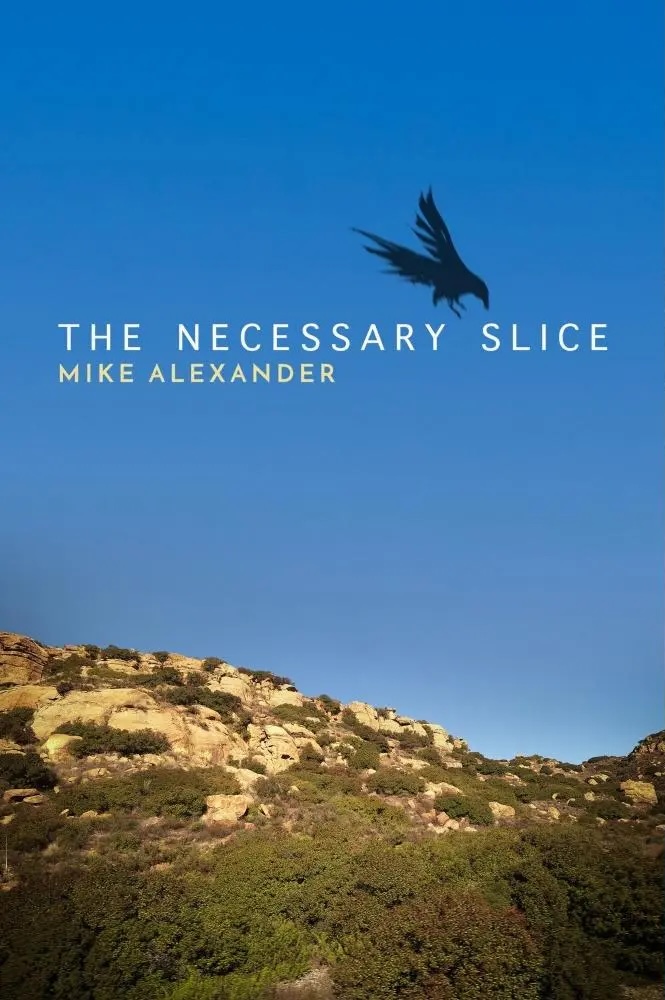
The Necessary Slice spans from political angst to personal experience, from pain to pleasure, all served up in traditional measures. A little bit of arcane literary reference, if you’re up for that. A butt of sack at the Mermaid Tavern.
Born in New York City, relocated to Houston, Mike Alexander has published in several journals, such as Atlanta Review, Texas Review, Texas Observer, Measure, Rattle, River Styx, & Raintown Review.
Digging Beneath Bones, teri elam
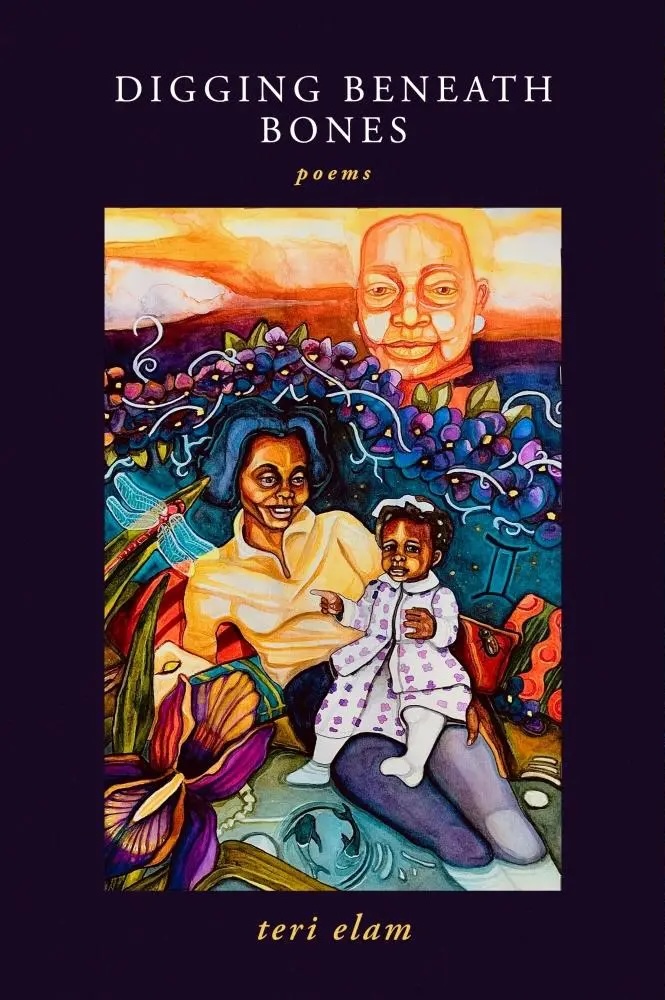
Digging Beneath Bones, teri elam’s debut poetry collection travels through memory, lineage, rupture, and return, illuminating the body that navigates this rite of passage—a Black, Southern woman of a certain age—moving through the comfort and discomfort of relationships, dysfunction, family, truth, and self. It explores memory as a concept, a need, and a loss. A portrait of caretakers, aunties, nieces, and Black boy joy, it highlights meaning through music, television, myth, prayer, and the small altars of daily life. Above all, it is a love letter to a mother from a daughter, looking through their kaleidoscope, shining light on the broken bits of colored glass that create an infinite number of shapes, holding their testimony and memory.
Blue Ionia and other poems, Deanna Benjamin
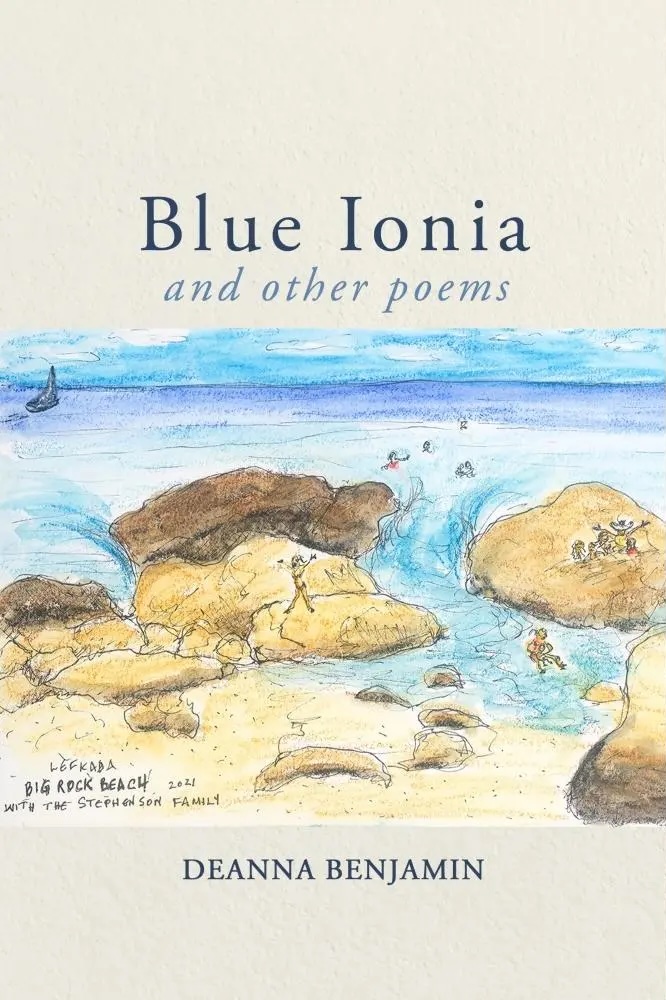
In her debut collection of poems, Deanna Benjamin invites her readers to encounter the Ionian island of Lefkada, Greece. Her poetry stands both in vivid celebration and solemn contemplation of a distant island culture that she has experienced first-hand. Set alongside delicate watercolor sketches by Joni Zavitsanos and intuitive translations by Aliki Barnstone and Liana Sakelliou, Blue Ionia and other poems capture the brushstrokes of hope and grief in the midst of Lefkada’s daily village life.
Anonymous America, Gary Walton
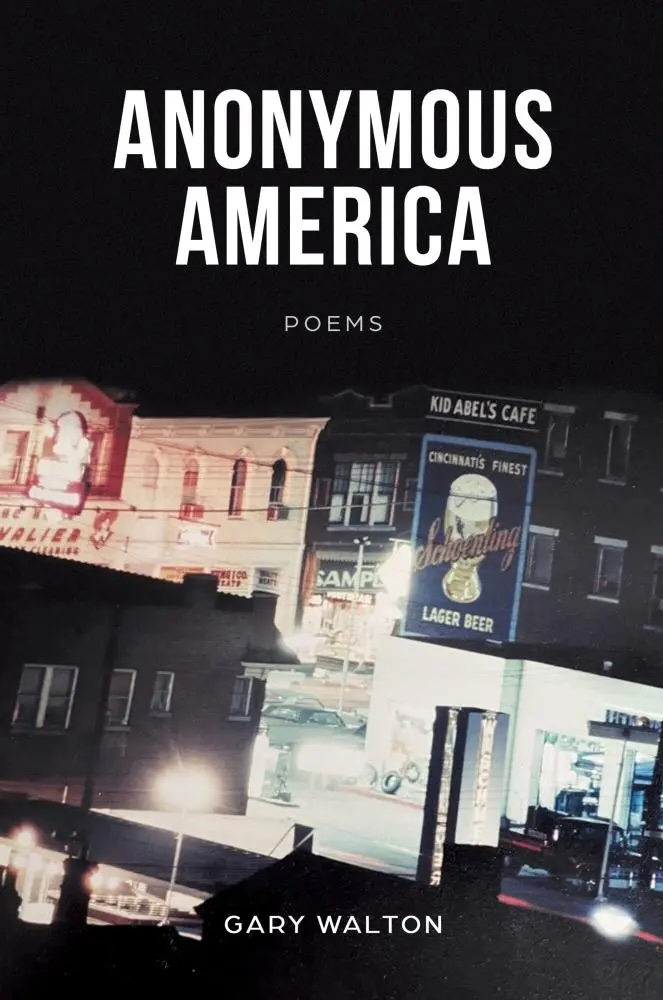
Anonymous America is a book of poems (as well as the title character) that reflects a state of mind. Like the eponymous character who finds herself in the confused and confusing world of early 21st century America, who likes to ride her bicycle at dusk catching glimpses of the anonymous lives of others through the windows of the many homes she passes, letting the twilight dissolve the barrier between their exterior and interior lives, this collection uses irony, humor, and even poignancy to revel in moments gleaned from that liminal space we all increasing find ourselves—buffeted by forces both known and unknown, by imperious yet faceless algorithms, by social and political vagaries, all the while yearning for personal agency and quiet human dignity, perhaps even clarity in a world that keeps moving towards entropic absurdity. In the end, if we can find humor (if not transcendent meaning) in those found moments of self-reflection, perhaps by laughing we can rise above our diffident fate and become fully human once more—and perhaps have a bit of fun along the way.
On the Lip of Night, Julie Esther Fisher
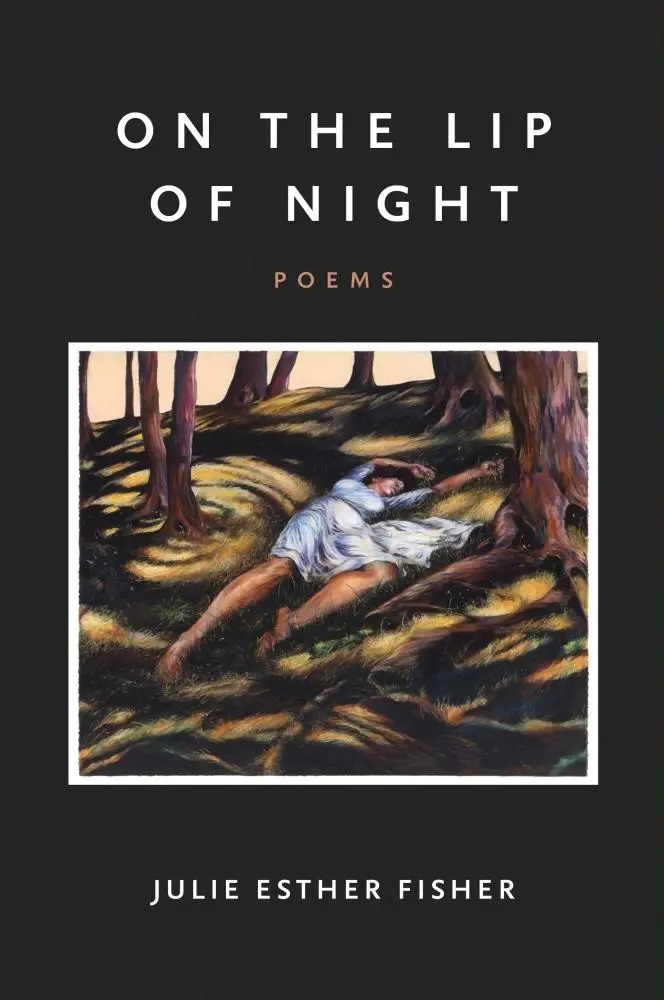
In this debut collection of twenty-six poems, Fisher is not afraid to unearth from the pried open chest of secrets old wounds, the gnaw of loneliness and death, counterbalanced by the forces that heal: nature, music, and the redemptive power of abiding connection. On the Lip of Night journeys into the world—at times the underworld—of family, trauma, grief, and recovery. Daughter, mother, sister, wife: with lyricism, even wry humor, Fisher probes the nuances of these roles, evoking their sometimes silent, sometimes clamorous ruptures, their singular hauntings and simmering legacies.
Moonshine Shared with a Mishmash of Musings, Lori Rosenlof Drake
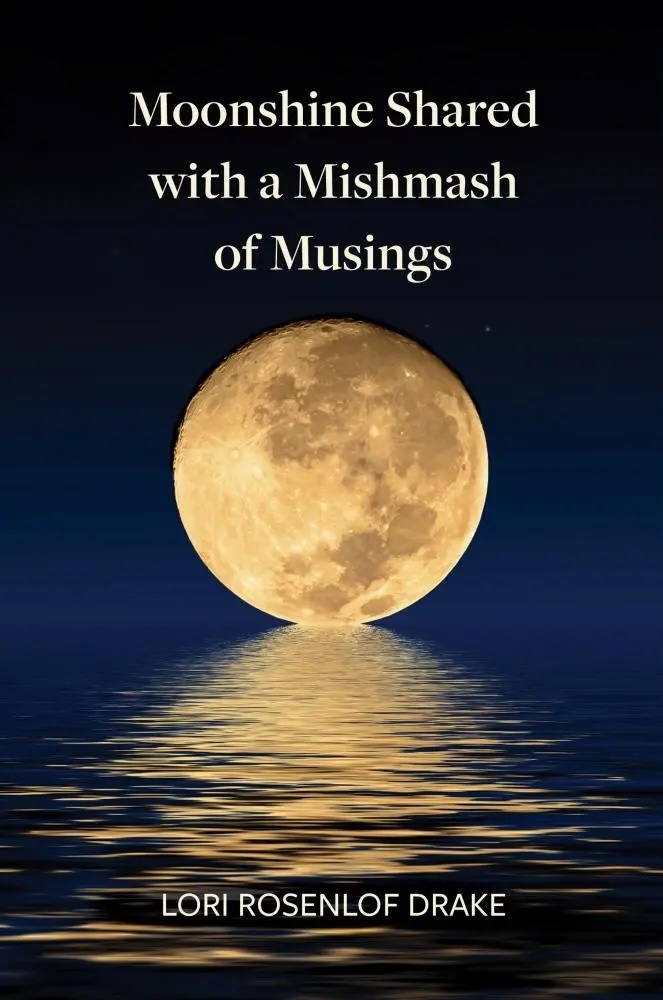
Lori Rosenlof Drake‘s debut chapbook is a luminous collection of poems that highlight the joys and sorrows of a life well-lived. Her words—sometimes playful, sometimes profound—capture moments that reflect the extraordinary in the ordinary: like a teacher’s devotion to her students; a daughter’s love of family; and a writer’s enduring curiosity about the world. In Moonshine, Drake invites her readers to laugh out loud, linger over words, and listen to their own stories as she illuminates her memories. Written in both free verse and rhyme, Drake’s words and wit remind readers that the world is full of wonder.
Spreading the Light, Barbara Sherman
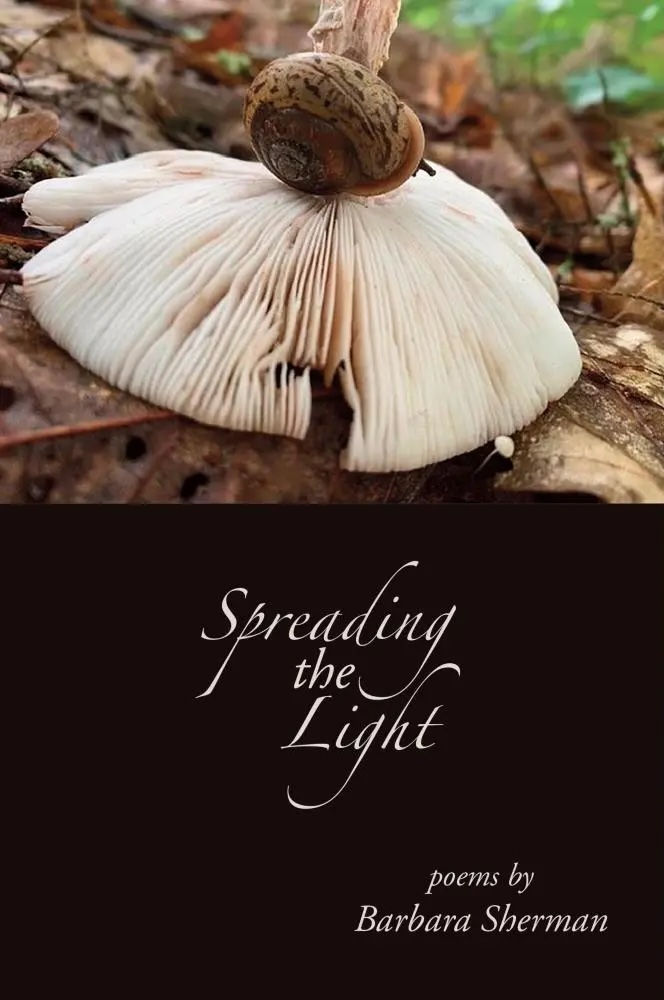
In Spreading the Light Barbara Sherman weaves a world where rocks are full of grace and everything that grows and breathes has something to teach us. Spirits appear in the canyons and clouds, and each day we are alive is both gift and offering. Light spreads from the tender body of snail In the opening poem and transforms slowly across the pages, leaving us with the glow of a flower that blooms in the dark. Part memoir and part nature journal, Sherman’s poetry is a meditation on living in harmony with our natural world.
Love Breaks, Lynn Ciesielski
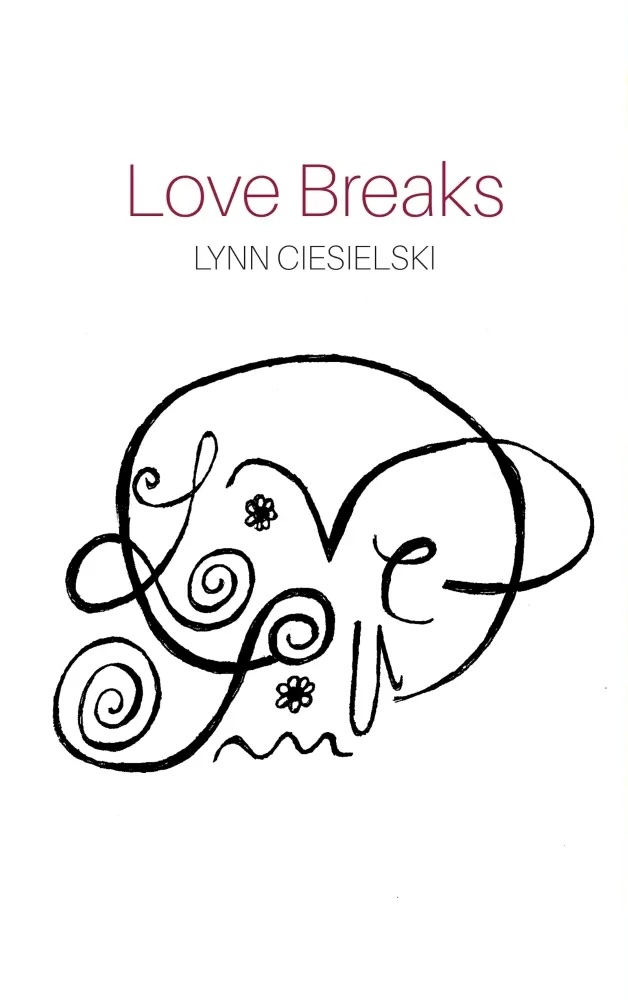
Love Breaks is not just about heartbreak. It is also about healing, growth and tenderness as it confirms why we risk it all sometimes when nothing surpasses the gifts we receive through love. It chronicles the love life of a woman who attaches herself too quickly sometimes and without abandon to puppies, first dates, friends, and on occasion, even strangers. All the while, her most important relationship is with her beautiful, brilliant child who claws fiercely at love and normalcy, stepping off ledges literally and figuratively on a daily basis then makes accusations that someone should have caught her. Lynn Ciesielski takes you on a dark journey through Buffalo’s grittiest alleys but offers a guiding arm to lead you back to sunshine when you’ve decided you’ve seen enough.
Decidedly Uncertain, Kelly White Arnold
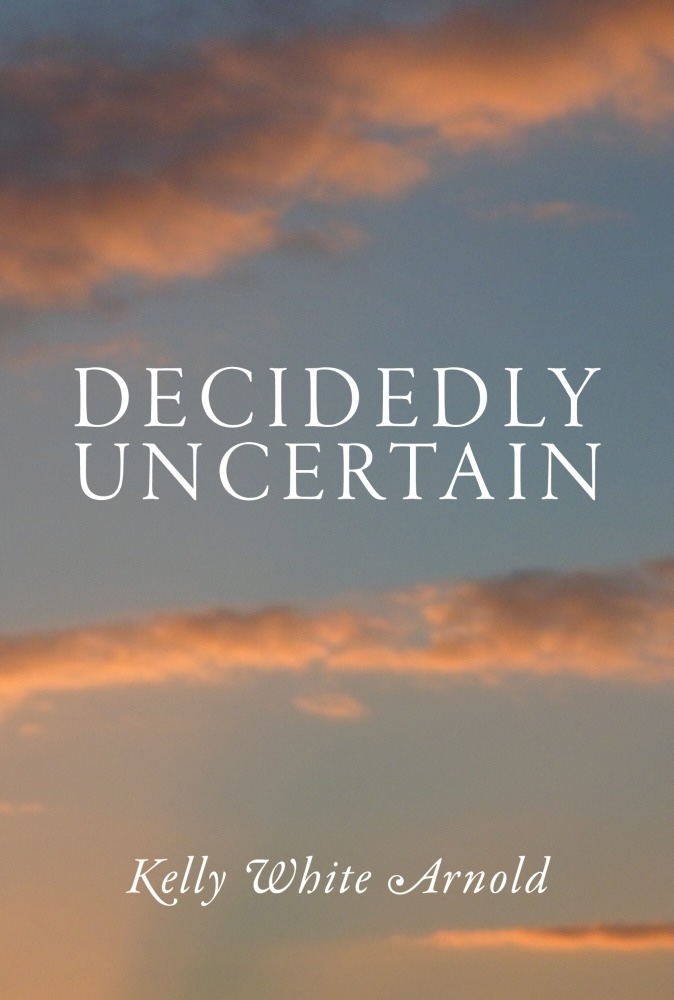
Decidedly Uncertain, Kelly White Arnold‘s debut chapbook, navigates the aftermath of family trauma, love, loss, and self-acceptance. From holding the hand of a dying loved one to choosing a wedding dress for a second marriage or savoring the simplicity of a summer day at the coast, these poems commemorate the moments that define our becoming.
Sign Language, Susan Dworski Nusbaum
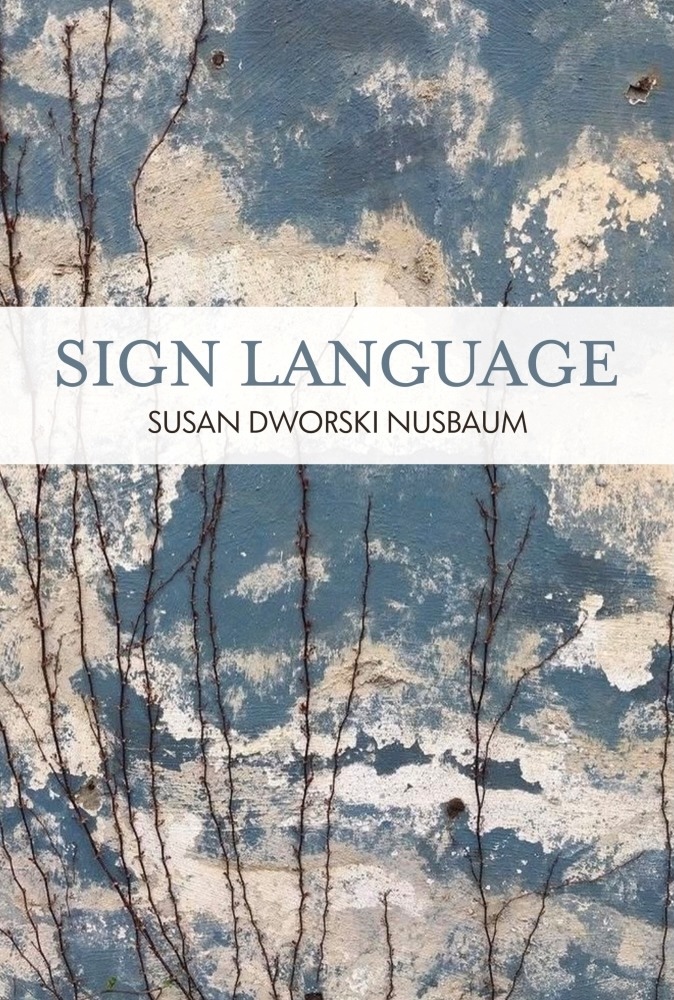
Signs appear in many forms…in the stories of ordinary encounters, the mysteries of the natural world, in relationships, memories of the dead and response to tragedy, in romance and the joy of birth. Whether the signs are broadcast on billboards through narratives real or imagined, or in the whispered messages hidden in the minutia of our daily lives—an icy spiderweb, a buried teacup, a paper crane—they can help us find resilience, transform us, change our perspectives, and approach our lives with renewed energy, hope, and humor. The poems in this collection move through a variety of settings and tonalities, and remind us to pay attention to the language hidden “inside the heart of things.”
Recalibrations, Monty Mittleman
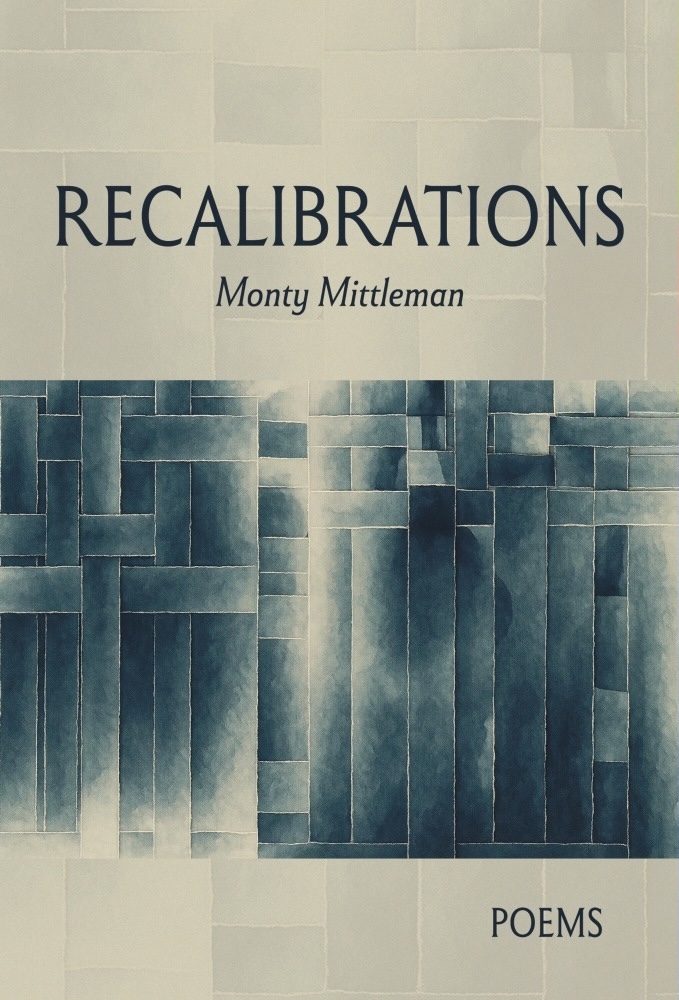
This debut collection of poems explores themes of love, grief and one family coming to terms with a wife and mother’s cancer. From love at first sight to his wife’s passing, follow the author and his family as they continue to live life, despite the uncertainties of this progressive disease. Through the brevity of Cinquans, the imagery of a Haibun and the beauty of a Nonet, the author says much with these minimalist formats. This book will resonate with readers who have felt the heartache and pain of caring for a loved one.
Brown Mountain Lights, Mark Steudel
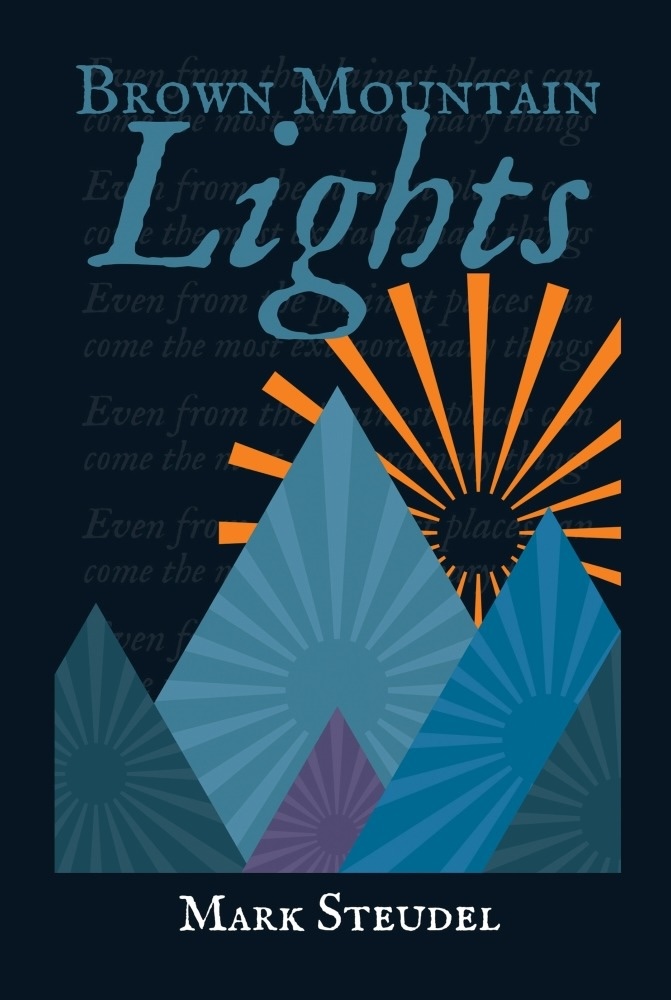
For centuries, reports have circulated of mysterious lights floating above the valley that stretches beneath Brown Mountain in western North Carolina. Sightings and theories persisted over the decades even as skeptics searched for scientific reasons to explain away the phenomenon. These lights provide the backdrop for the poems in Brown Mountain Lights, demonstrating that even when life is at its most challenging, we can continue to find mystery and beauty all around us.
The Regulars, Tracy Rice Weber
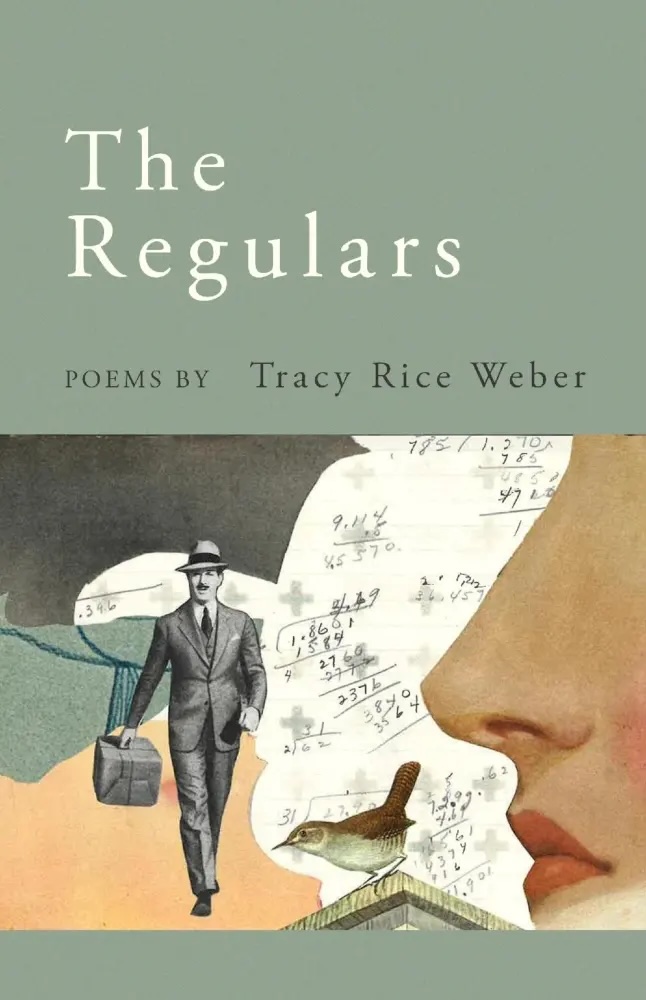
Through the voice of a single public school teacher trying to make rent in a trendy urban neighborhood, The Regulars delivers late night poems that might feel like tuning your dial back to an impetuous time of sweet static, where nostalgia is savored cold from the box the morning after.
Tracy Rice Weber is a poet and writing coach for Second Helping Studio who lives in Coastal VA with her husband, sons, two cats, and a dog.
Junkie Boy ~ A MotherWork, Linnea Wortham Harper
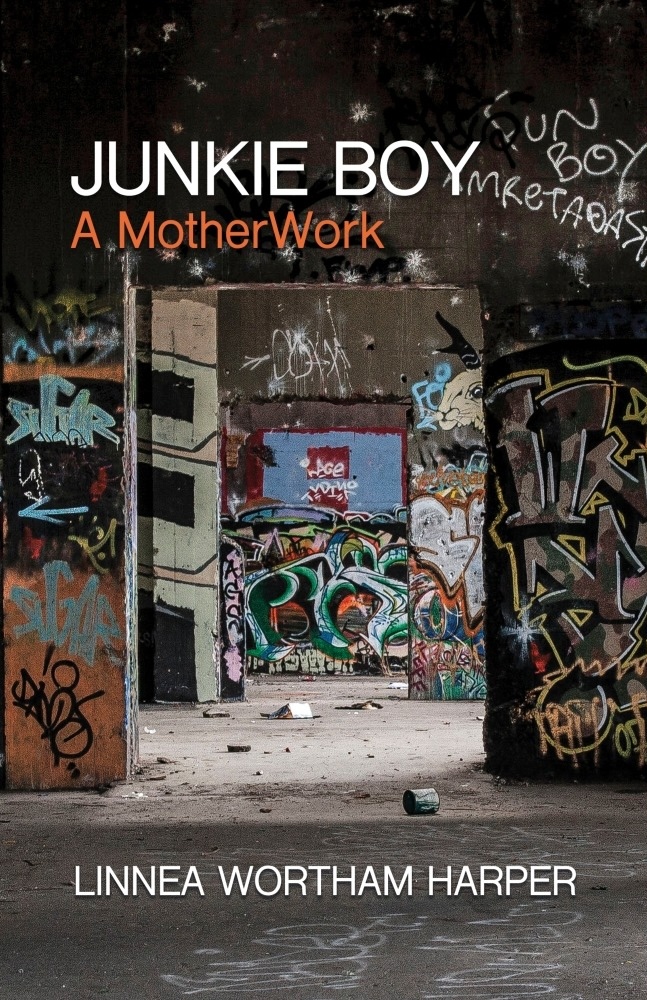
A child of 15, now middle-aged, races toward destruction in a search for joy on his own terms. Linnea Harper’s singular narrative of her son’s addiction, of loss, grief, endurance and flickering hope, is made universal in the exquisite language of the Junkie Boy poems. While evoking the collective voice of all who have tried to keep their children safe, found they could not, and had to let go, Harper’s deeply affecting narrative also echoes the frequently unheard cries of addicts whose desperate flight reveals no safe place to land. This epidemic is not over. We need to listen.
upon waking, Margaret Bleichman
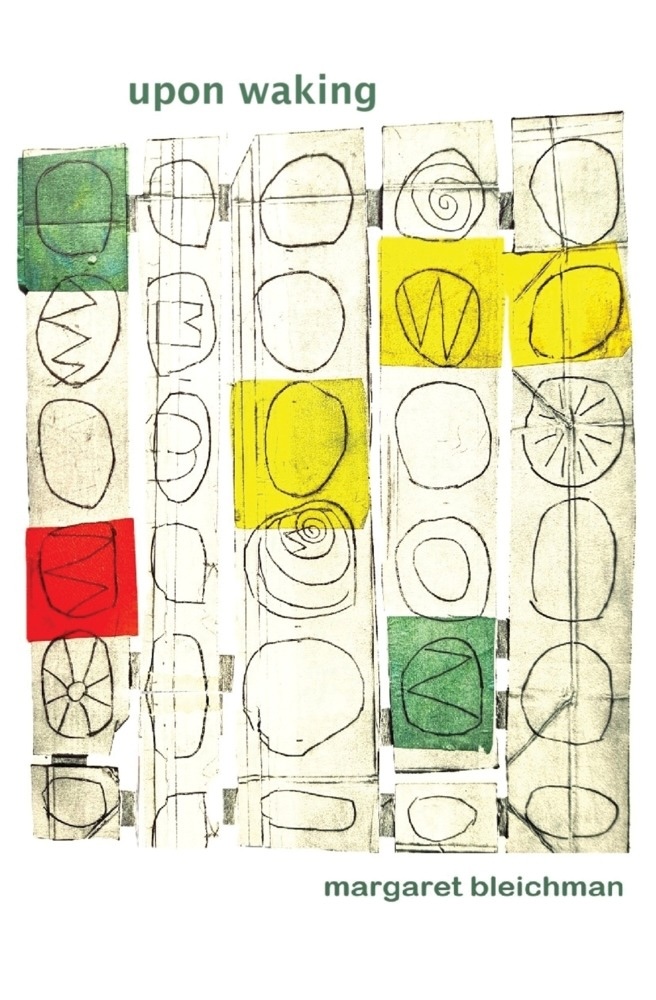
In upon waking, language and etymology, silences and erasure emerge in poems whose subjects range from ancestral rituals and family histories to soulful meditations on soup. A valley is submerged, a mountain lion reemerges, a Girl Scout’s self-respect is torn down, then rebuilt. An opioid overdose is reconciled, plantation narratives contrasted, a thunderstorm is enacted, a flower forgives. Many of the poems in this book are informed by Bleichman’s lived experience as a first-generation Jewish American with immigrant/refugee/survivor parents. They investigate the experiences of people in different diasporic, displaced, and suppressed communities. Bleichman also writes in response to social and political complexities in our current world. Intergenerational trauma, the experience of the other and resilience run throughout much of the book. In upon waking, readers will find poetic grit and redemption.
Traces of DNA, Elizabeth Esris
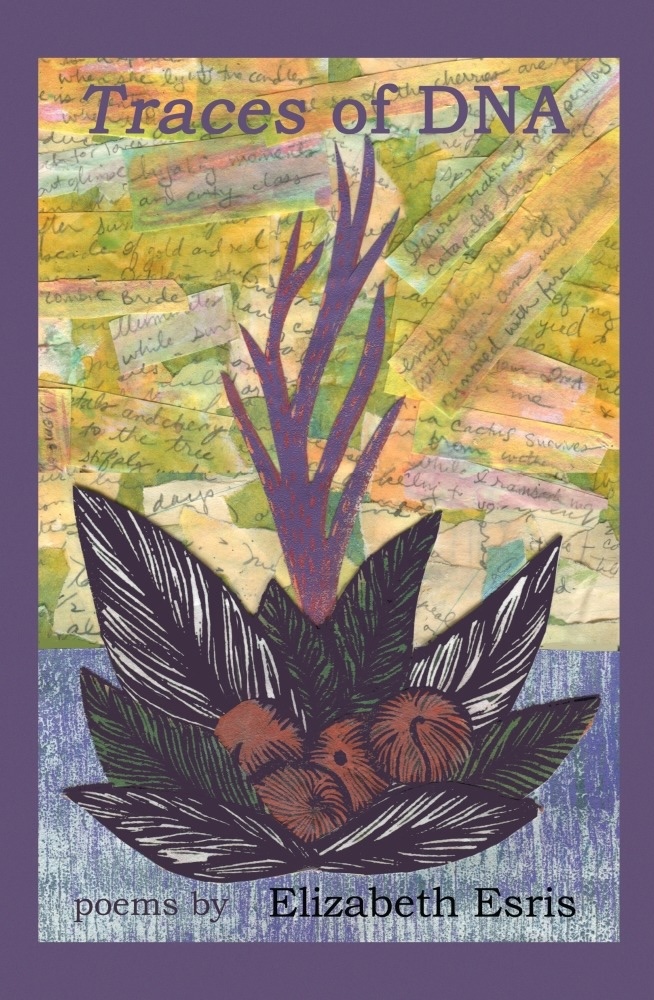
Traces of DNA has its genesis in the notion that in everyday encounters, individuals come in contact with the genetic data of others. This exchange of invisible identity is a compelling metaphor for humanity’s need to recognize how our lives are interwoven. While rooted in generations of family as far back as the second World War and Vietnam, this debut collection touches upon connections made in the experience of living in a world that is imperfect and everchanging.
The Pink House/Rising Up Singing, Tanya K. Young
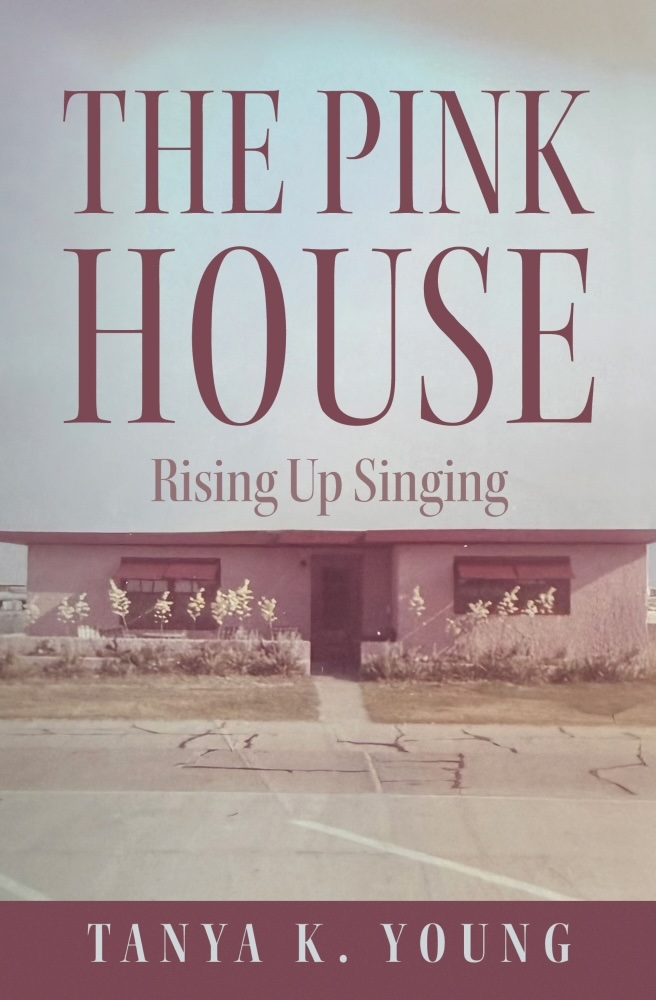
In The Pink House / Rising Up Singing, memory becomes both landscape and language. This collection of 34 narrative poems traces a childhood and adolescence spent on a remote barrier island along North Carolina’s Outer Banks during the 1950s—a time when the coast remained largely untouched, a “virgin strip of sand” shaped more by tide and storm than by development. At the center stands the pink house, a place of shelter and fracture, where generations overlap: a grandmother’s grounding presence, a mother’s quiet endurance, and the tension of a fragile marriage that hums beneath daily life. Around it, the natural world presses close—sand shifting underfoot, dunes breathing, the Atlantic in constant motion, and hurricanes arriving with both violence and strange clarity. These poems move in a connected arc, building a portrait of place that is inseparable from the emotional terrain of growing up. The speaker’s voice is distinctly southern—lyrical, reflective, and at times spiritual—attuned to the rhythms of land and family alike. Weather becomes metaphor, the earth a kind of witness, and memory a way of reclaiming what time has altered or erased. More than nostalgia, this collection is an act of preservation. It offers readers—especially those familiar with the Outer Banks—a return to what once was, while inviting all readers to inhabit a world where childhood, nature, and the sacred are deeply intertwined.
Tyger-Tyger, Siobhan Casey
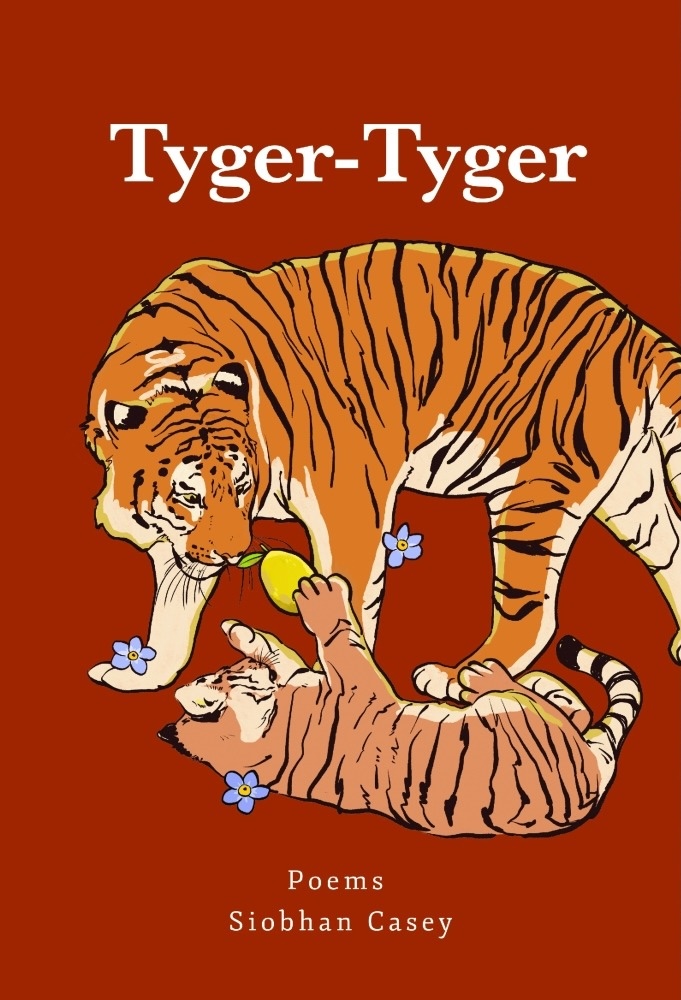
This poetry chapbook, Tyger-Tyger, meditates on the collision of trauma and motherhood. Memory appears as a central character as it is refracted and smudged over the nonlinear narrative. Each poem insists that maternal love is both soft and fierce, as the mother tiger paws through the human house, ready to protect her cub and lie down beside her. While the work contains an abundance of fruit and nets of sunlight, it also reveals dark undercurrents of personal and societal violence. Here, among rivers and orchards: lemons, tangerines, and apples abound, and yet an insatiable hunger to be transformed by something beyond the earth and its fruit repeats itself. The author lays out the themes of motherhood and “recovery” – not in the sense of being restored to a lost wholeness but rather to a new appreciation of the beauty that was always there. At its core, Tyger-Tyger is a love note from mother to daughter, and, to the mother’s surprise, the child responds…
Something Good in All That Darkness, Isabelle Walker
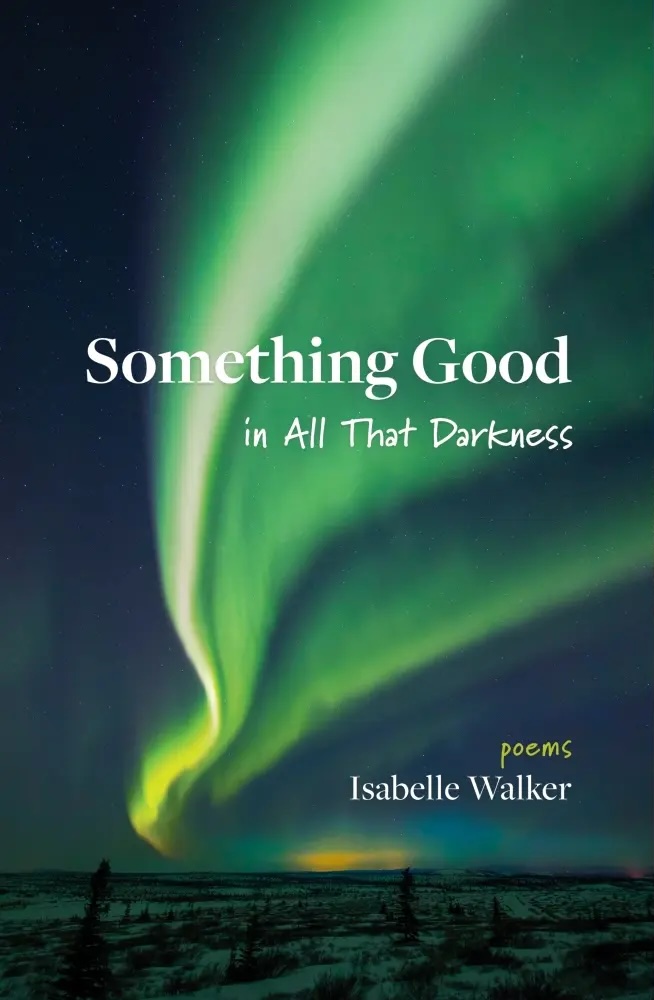
In Something Good in All That Darkness, the natural world isboth refuge and remedy. Whether it be on a mountain trail, beside a colony of blackbirds, or in a bundle of cumulous clouds gliding over a summer wedding, again and again Walker finds new ways of anchoring herself to the Earth’s splendor. In this debut chapbook, you’ll find playful imaginings as well as strength in the face of despair. These poems remind us that beauty exists even in the darkest of moments.
Carbon footprint, Eric Chiles

CARBON FOOTPRINT walks the reader through experiences that trace our lives. Succinct reflections on birth, appetites, and COVID, rambling into fantasies about having a relationship with the voice of your car’s GPS and driving on crowded highways. Then pondering where that juicy steak came from and washing it down at a micro brew pub. There’s the mystery of parenthood, emergency room visits, and how social media shapes us and can’t forget us. CARBON FOOTPRINT is by turns quirky and concise, sardonic balanced with humor, with something for everyone.
Dear Charis:, Sarah Grieve and Dominika Wrozynski

Dear Charis: is a collaborative epistolary chapbook–written by poets Sarah Grieve and Dominika Wrozynski—that explores the creative relationship between writer Charis Wilson and photographer Edward Weston, who in 1937 took a Guggenheim trip around the American West, chronicling their experiences in words and images. Grieve and Wrozynski highlight Wilson and Weston’s contemporary relevance, and showcase Wilson as a writer, though she has long been sidelined by history as merely Weston’s muse and lover. Poems idle through the California Coast en route to the Mojave desert all the while finding dead bodies, date milkshakes, basement archives, and the tender resurrection of a female writer who pioneered American travel writing and whose words continue to reverberate in our present moment.
Seasons on the Ridge, Evelyn McAmis Bales
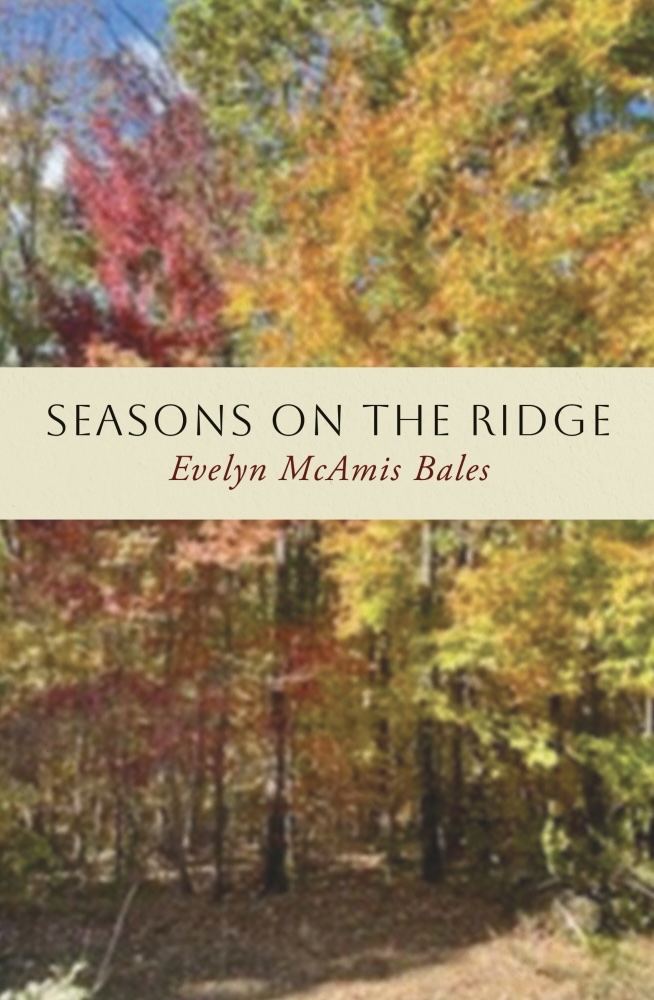
At its heart, Seasons on the Ridge is a celebration of a place permeated with nature, the poet’s sense of loss, spirituality, and a sense of the passage of time. The writer invites the reader into her world to sense the mystery and consolation nature provides. She has a deep love for nature especially native trees, the heavens, and the place where she lives. The early mornings around Christmas time she calls holy where even the birds raise their wings in worship. She celebrates the Ridge and the life she has lived there with her late husband and their children for over fifty years and pays homage to its trees, plants, animals along with Appalachian folklore. In the words of an early reader, “ an autobiography of poetry so tender and tranquil you can envision the poet skipping through time into the afterlife full of love for her beloved and their place.”
Don’t see a poetry chapbook published between 8/1 and 8/31 here? Contact us to let us know!
Contents
“This language offers one possible framing through which to appreciate the law’s capacity to hope for, request, and even command commitment to a more just future.” Read two poems by Maggie Wang, our first biweekly poet of the Summer 2026 issue, along with a few words about “Possibilities for Action.”
Chapbook Poem: I’ll Never Look This Good Again by Douglas Piccinnini
“[The poem] came out of real pressure: despair, worry, and grief I wanted to hold unflinchingly, alongside the anxiety of becoming a parent… For me the poem became a meditation on all the feeling that surfaces precisely when we’re told to feel only joy.” Read an excerpt from Douglas Piccinnini’s chapbook, House of Bad Memories, along with a few words from the poet.
“She sees herself in carbon, the element that bonds with almost anything- not because it wants to, but because it has empty spaces and things keep showing up to fill them. Notifications. Noise. Needs that never stop arriving.” Read four poems by Joely Williams, our second biweekly poet of the Summer 2026 issue, along with a few words about “Single Mother Considers the Periodic Table.”
ADHD in a Non-ADHD World: on Undersight by Alison Hurwitz
“[Hurwitz] shares moments of angst and moments of awe. More than that, there are moments of deep recognition. She sees herself in [her sons] and, in fact, receives a later-life ADHD diagnosis of her own.” Read the full chapbook review by new contributor, Nancy Murphy.
“The woman’s head & hair are lavishly dressed. I probably leapt off the logic of the hairdresser being blind and therefore had to work on the head/body/mind rather than just hair as a surface issue of presentation.” Read two poems by Irene Cunningham, our third biweekly poet of the Summer 2026 issue, along with a few words about “The Blind Hairdresser.”
Flash Fiction: Nova by Kimmy Chang
“‘Nova’ is a lyrical second-person story about the narrator’s first true encounter with death…the story presents loss not as beautiful in itself, but as the place where beauty begins.” Read the first original fiction piece of the Summer 2026 issue, “Nova” by Kimmy Chang.
“To fit the nuanced, dimensional experience of dysphoria and transition into narrative…often feels flattening, falsely assured. I wanted to look at this discomfort I felt, to see what was necessary in it.” Read three poems by Joshua Zeitler, our fourth biweekly poet of the Summer 2026 issue, along with a few words about “Cobbling.”
Excerpt: “On the puzzle still inside my head” by Truong Tran
“I am trying to excavate memories. I am trying to negotiate the difficult realities of existing as a brown man in this country and within the consciousness of white America.” Read an excerpt from Truong Tran’s forthcoming book from City Lights, How to Exi(s)t: A Poet’s Memoir.
“These poems try to make sense of how I arrived at a life that probably seems well thought-out, but has been one reactionary choice after another.” Read three poems by A.R. Dugan, our fifth biweekly poet of the Summer 2026 issue, along with a few words about “Sleeptalking.”
Original Fiction: Muse by Somtoo Celestine Ezioha
“What I tried to trace was the underside. How watching someone closely for long enough becomes a substitute for approaching them.” Read the second original fiction piece of the Summer 2026 issue, “Muse” by Somtoo Celestine Ezioha.
“After childbirth, my body became a site of criticism rather than something to be celebrated for what it had endured and created. Writing this became a way to confront that experience…” Read three poems by Tanya Tuzeo, our sixth biweekly poet of the Summer 2026 issue, along with a few words about “i get Botox.”
“Through images of a familiar street, personal belongings, and a figure suspended in time, the poem considers absence, remembrance, and the quiet ways we continue searching for those who are gone.” Read two poems by Aardhra Chandran, our seventh, and final, biweekly poet of the Summer 2026 issue, along with a few words about “Street View, 2021.”
Original Fiction: Aletheia by Kalliste Hardy
“Each fragment opens a door to the unsaid or the forgotten, letting language bruise and bloom. It is a study in red, in inheritance, in language, and of the quiet haunt of becoming.” Read the third, and final, original fiction piece of the Summer 2026 issue, “Aletheia” by Kalliste Hardy.