Due to difficulties in obtaining information in advance of chapbook releases, chapbook listings for the previous month are published at the end of each month. This post contains information about poetry chapbooks that we know about published during July 2026.
Information, including product descriptions, is provided by the publisher and not a critical judgment. If we cover the book on this site, links will be included.
Tupelo Press
Proof: Inaugural Poem Suite, Cornelius Eady

First delivered to mark the historic inauguration of New York City’s mayor Zohran Mamdani on January 1, 2026, the title poem is not ceremony—it is summons. “You have to imagine it,” Eady insists, and from that insistence rises a chorus: those called too dark, too queer, too poor, too loud; those renamed invisible; those told “not now.” What if joy could wear down the rock of no? What if imagination were not escape, but evidence?
Moving from Robert Frost squinting into winter glare, to Elizabeth Alexander straightening her back before history, to Aretha Franklin beneath her church-crown hat, Eady braids civic pageantry with private memory. He summons the Colored Conventions of 1830, the 911 call that ricocheted through racial panic, the mock rifles on a Brooklyn rooftop, the “knife in sheep’s clothes.” Each poem widens the frame. Each poem refuses to look away.
Bull City Press
Alternatives for Succulents, John Paul Martinez
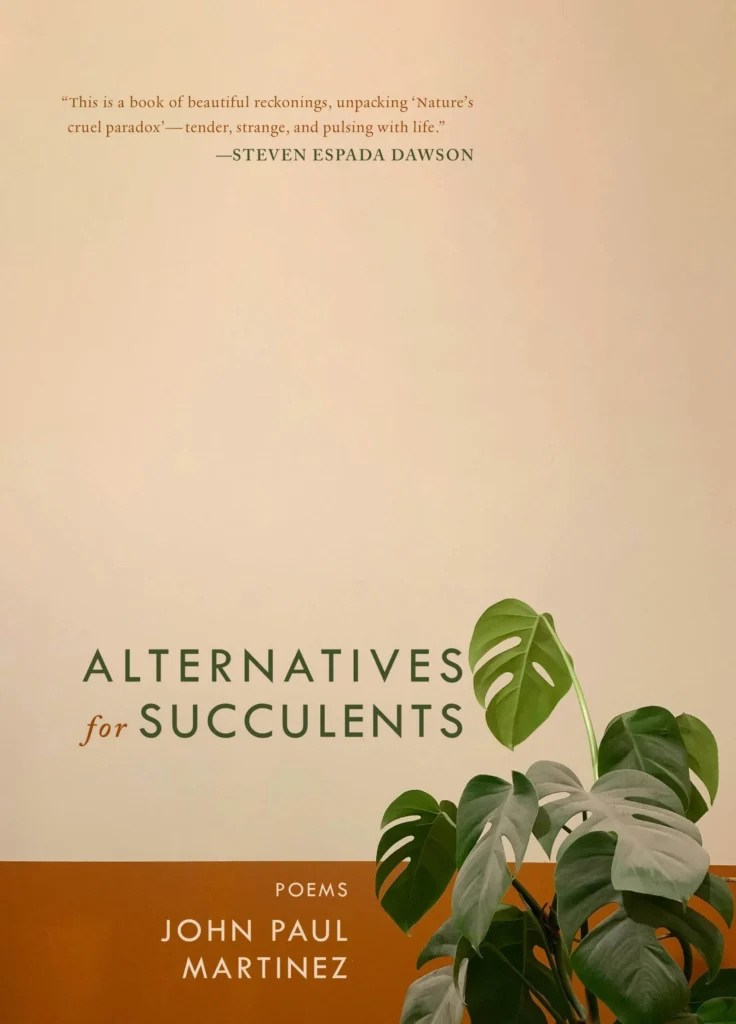
Alternatives for Succulents bends through the varied landscapes of longing, distance, sorrow, and self-discovery. Sprawling from the rural soil of Wisconsin to the unreachable pockets of space, these formally adventurous poems sift through what it means to want, to lose, and to remain tender. Like wind over an open field, they sprawl with breath. John Paul Martinez’s lush, aching debut is a book for the heart that breaks open and still blooms.
Tough Poets Review
Good Girl, Holly Coleman
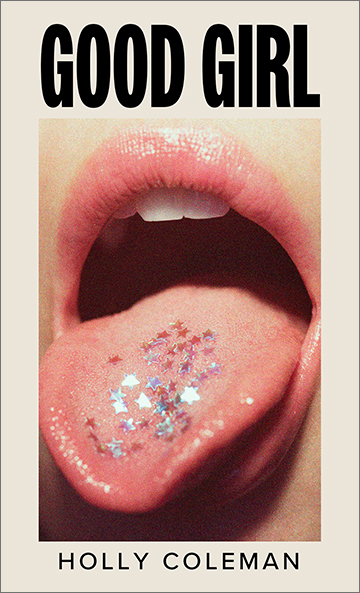
Formally rigorous and deeply erotic, Good Girl is a hybrid chapbook of lyric essays, poems, and fragments moving through grammar and girlhood, desire and discipline, obedience and rebellion. It traces the bruises that approval leaves on a voice and the power that is reclaimed when that voice decides to misbehave.
Holly Coleman teaches at the University of North Florida and is a Ph.D. student in British Romanticism and rhetorical theory at Old Dominion University. Her work has appeared in The American Poetry Review, Passages North, The Whitney Review of New Writing, Dream Boy Book Club, On The Rag, and elsewhere.
Poetry Society of America
A Door in the Snow, Kyle Okeke
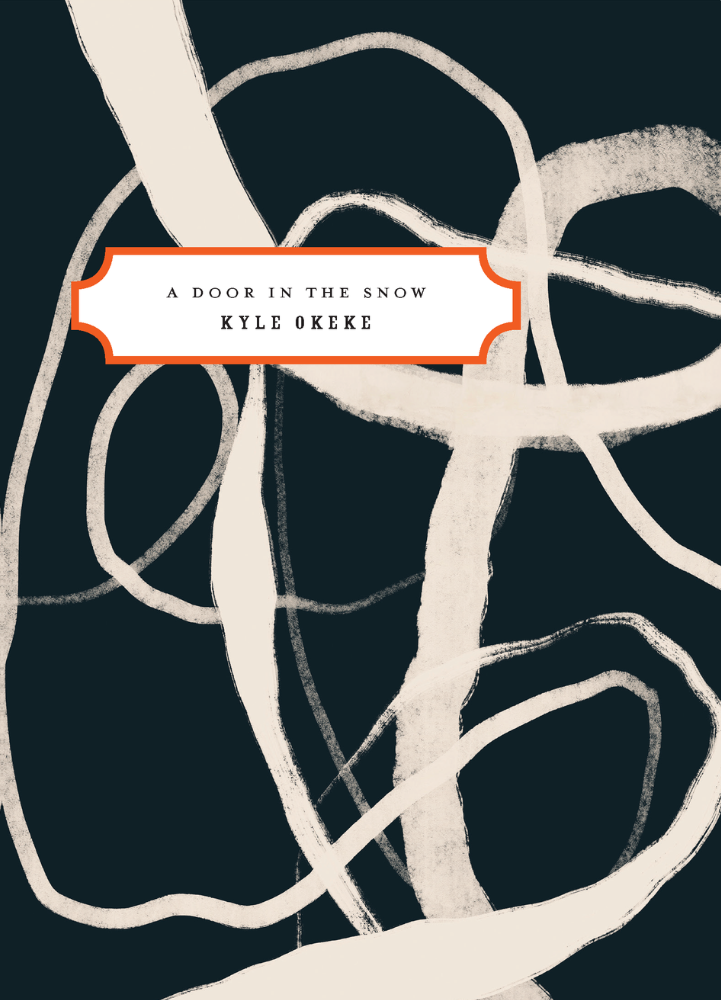
Kyle Okeke is a writer from Sugar Land, Texas, and is completing an MFA in creative writing at the University of Texas at Austin. He is a Keene Prize finalist, a winner of the Sewanee Review Poetry Contest, and a winner of the Evaristo Prize in African Poetry. His poems have appeared in Poetry, the Bennington Review, and elsewhere.
Parlyaree Press
The Girl Who Ate Words, Khushi Bajaj
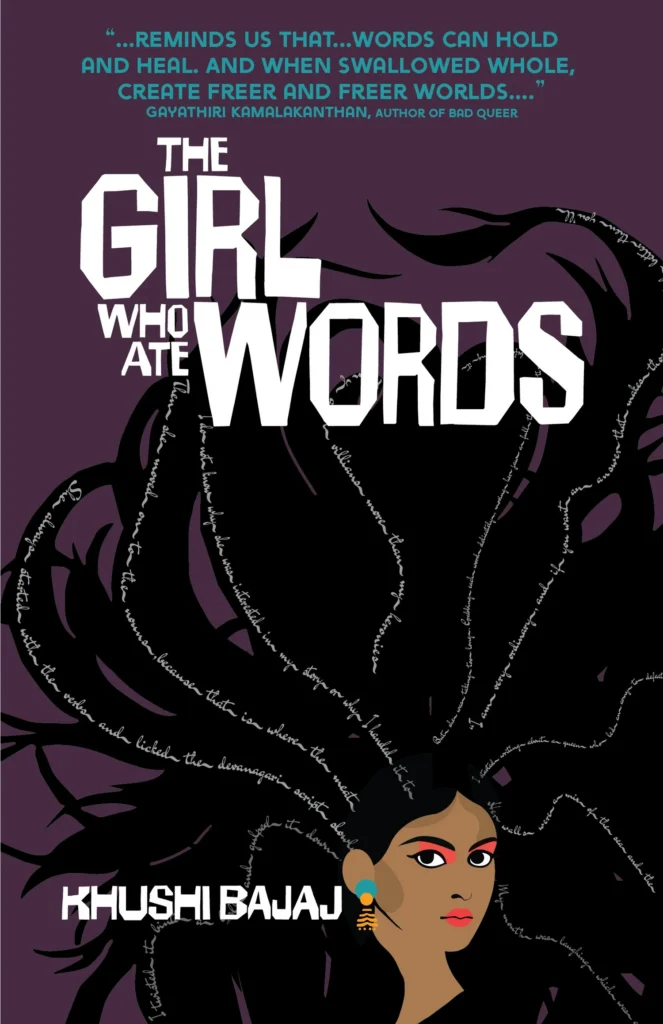
“A deliciously sensual story in verse, Bajaj writes these characters with care and attentiveness. Characters who yearn for a room, a field, a landscape in which to be free. The Girl Who Ate Words is a book to be savored slowly. It reminds us that ‘the grass will always be able to hold our weight.’ That words can hold and heal. And when swallowed whole, can create freer and freer worlds.” —Gayathiri Kamalakanthan, Author of Bad Queer
Rockwood Press
Letters to the Dead, Toni Ortner
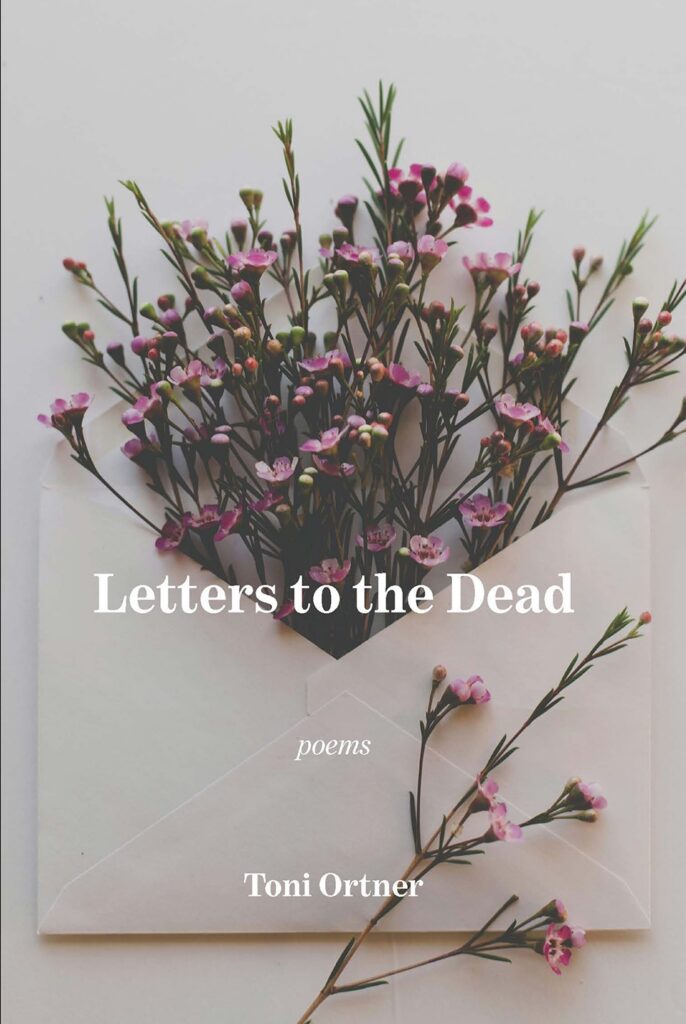
In Letters to the Dead, Toni Ortner reaches across the boundaries of memory, grief, and time through a series of intimate poetic letters and meditations. Addressing departed friends, family members, and writers, these poems explore mortality, friendship, loss, aging, and the enduring mysteries of consciousness. Moving between vivid recollection and spiritual inquiry, Ortner reflects on dreams, pandemic solitude, literary ancestors, and encounters that blur the line between life and death. Tender, contemplative, and deeply humane, this collection invites readers to consider what remains when names and forms disappear and how love continues beyond absence.
Broadstone Books
Plumb Lines, Edison Jennings
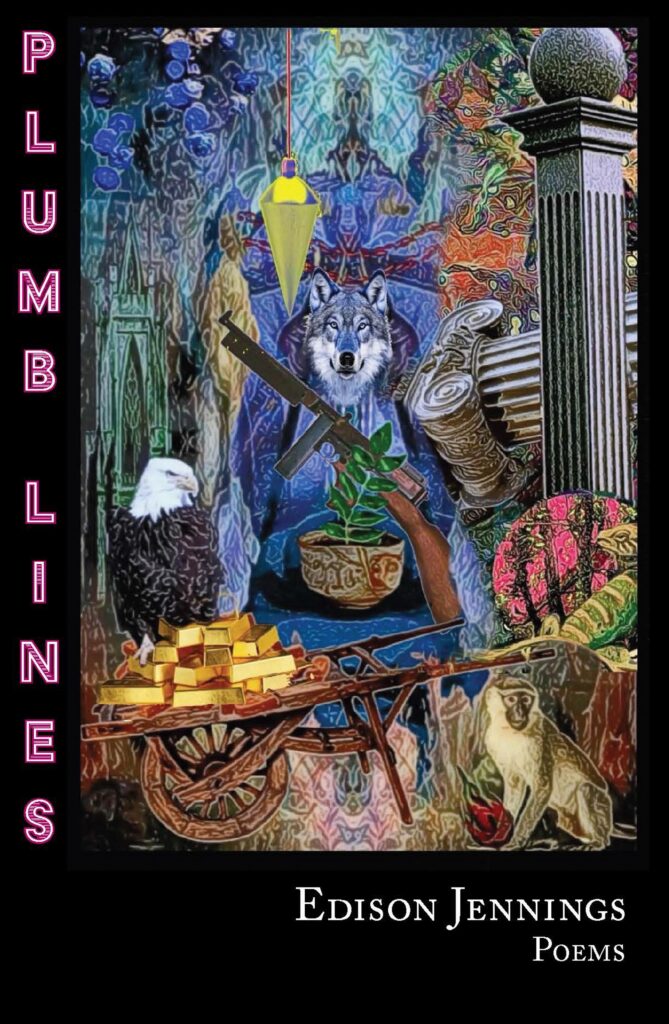
Plumb Lines, the new poetry chapbook by Edison Jennings, takes a hard look at the hard life of small-town Appalachia. These poems move between the demise of a derelict church (“As for the church, no one had attended service there in over sixty years so no one was sure what genus of church it was…”), and the hopefulness of the local Head Start (“Meanwhile the children sleep, still beautiful…”). This poetry, sad yet beautiful, opens our eyes to small town tragedies both personal and communal. Jennings captures life in his world, and makes it our own.
kith books
Grief Is Not Shelf Stable, Jamez Terry
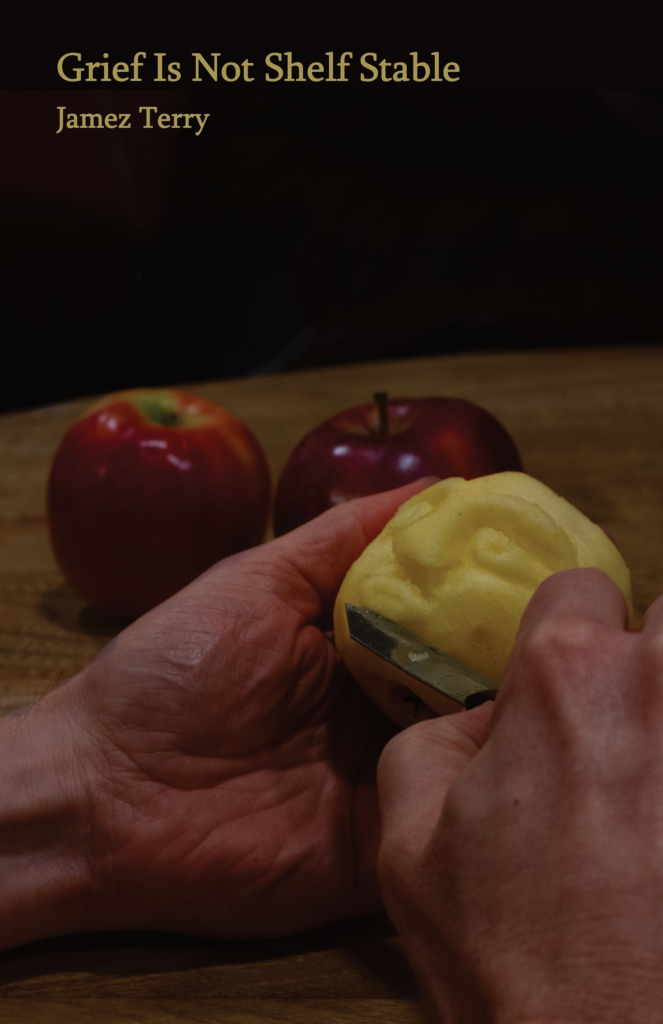
Terry’s skill lies in calling the vast tundra homeward. Mundane minutia stacked moment by moment till one day it tips. Becomes love. Becomes memory. Apple dolls and zucchini, snow squalls and shut roads and hard earned shared laughs. Stores laid up against winter, against debt, against death. Unfailingly intimate and domestic, Grief Is Not Shelf Stable, maps loss as internal, eternal; binding floorboard to footstep, loved one to landscape—a topography of grief.
Prolific Pulse
Another Day is Coming, Irma Kurti
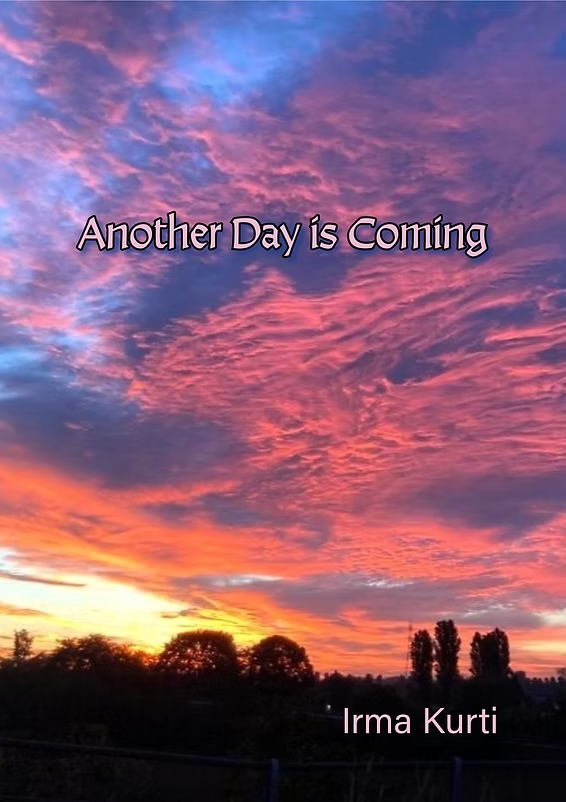
This poetry collection explores the many nuances of love, experienced as an emotional journey that moves from joy and sweetness to moments of absence and loneliness. Often, nature itself becomes a mirror of human emotions and fragility. The writing tries to capture the complexity of feelings and the vulnerability of a human soul.
Love and affection are shown through the delicate lens of everyday life details: a faded photograph that recalls memories, the absence of the loved one that materializes in the silence of a park, where the leaves on a bench become a mirror of a loss or of a long waiting.
Greying Ghost Press
House of Bad Melodies, Douglas Piccinnini
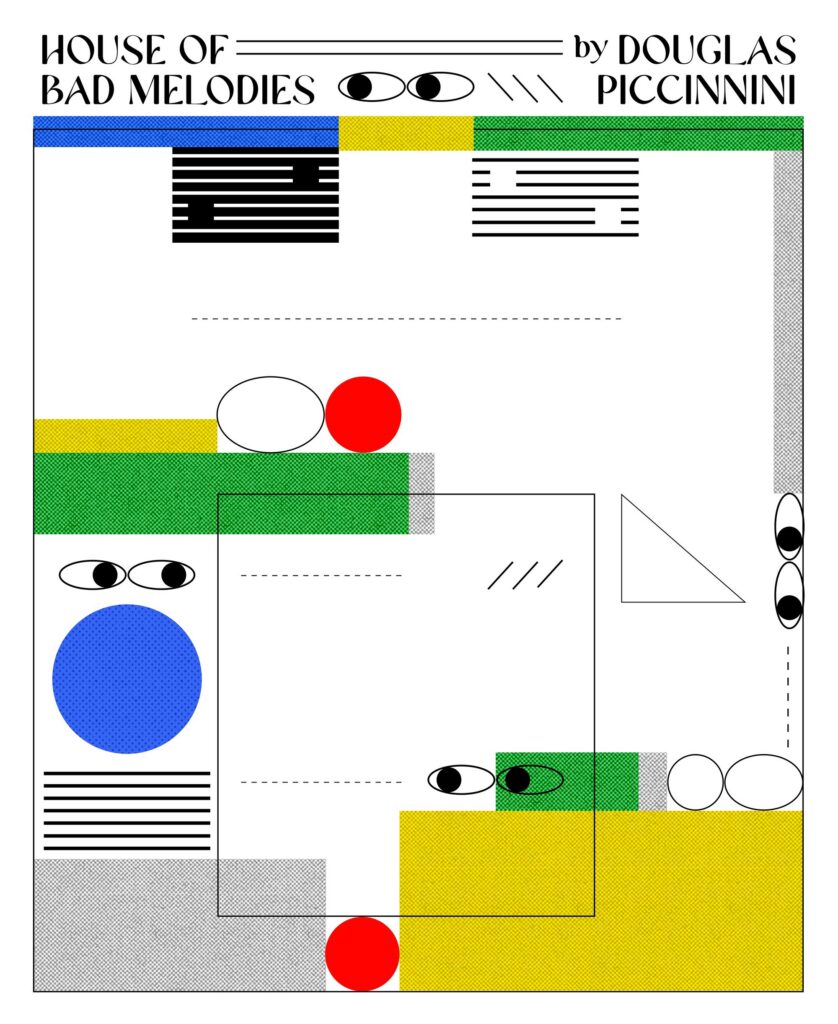
I like to imagine House of Bad Melodies being written in a neon-lit dive bar on a Tuesday night in October. A playlist of 50’s country western drawling just above the chatter line. Barkeep in the shadows with a rag over a shoulder keeping a keen interest on the Keno screen. These poems are the substance of such a fleeting way of life. They move about subtly until a glass breaks. Sometimes there’s blood. Once in a while hair gets pulled out in clumps. Grab a booth in the back and let Piccinnini weave his poetics into your brain.
Cardboard House Press
Declaration of Independence
Declaración de Independencia, Ezequiel Zaidenwerg, Hernán Bravo Varela (tr)
This documentary poem, constructed exclusively from the United States Declaration of Independence, pits the founding archive against the somatic immediacy of a body politic. Unfolding original syntax to probe the pathology of American masculinity, Ezequiel Zaidenwerg enacts a rigorous exercise of constraint and reconfiguration, spanning the spectral distance from Thomas Jefferson to Donald Trump. The poem exposes the uncanny resonances of 18th-century lexicon, where terms like “migrations” and “trade” already vibrate with the systemic violence of the present. By recasting the rejection of the Tyrant into a frantic address to a scornful lover and absent father, this Declaration fashions a counter-epic of lyric urgency. Against the original’s certainty, this remix leaves us with “no self-evident truths in separation / but foreign bodies against each other.”
Bottlecap Press
Andra moi, Andrew Sunshine
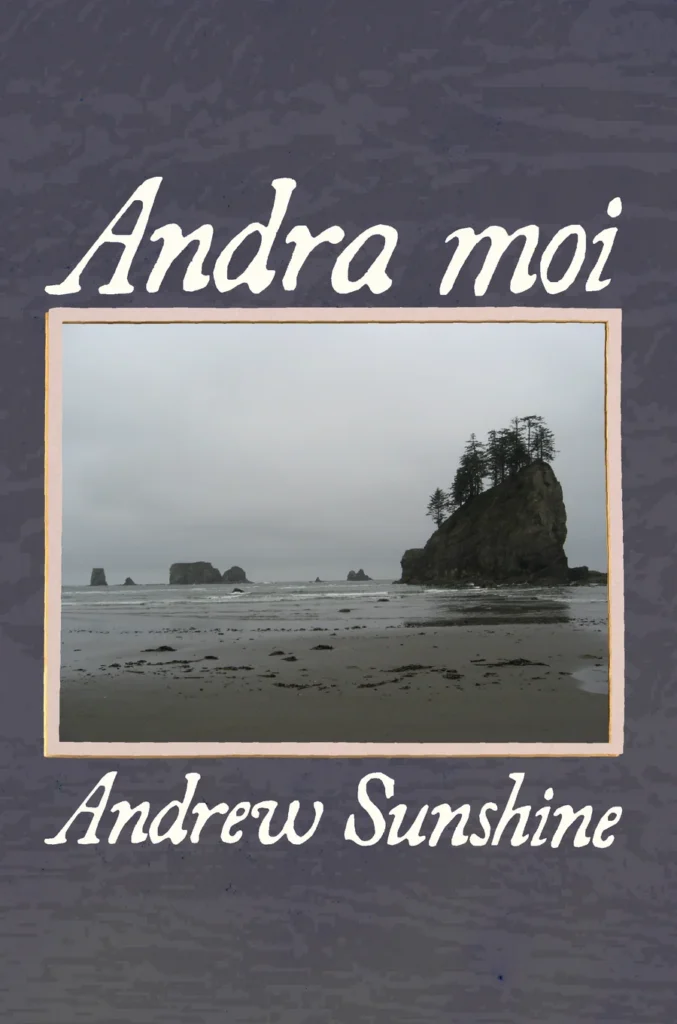
Andra moi is an addition to the library of post-Homeric works that retell, translate, elaborate upon, interpret, or continue the Odyssey. It is rooted in Homer’s narrative, but could it be read without reference to Homer? What of the willfully unhomeric brevity of each of its twenty-four books? Prisms to break the light of the ancient epic into lyrical experience? The author or translator says, “I have been faithful to Homer in my own way.”
Roadkill Sermon, C. William Carroll
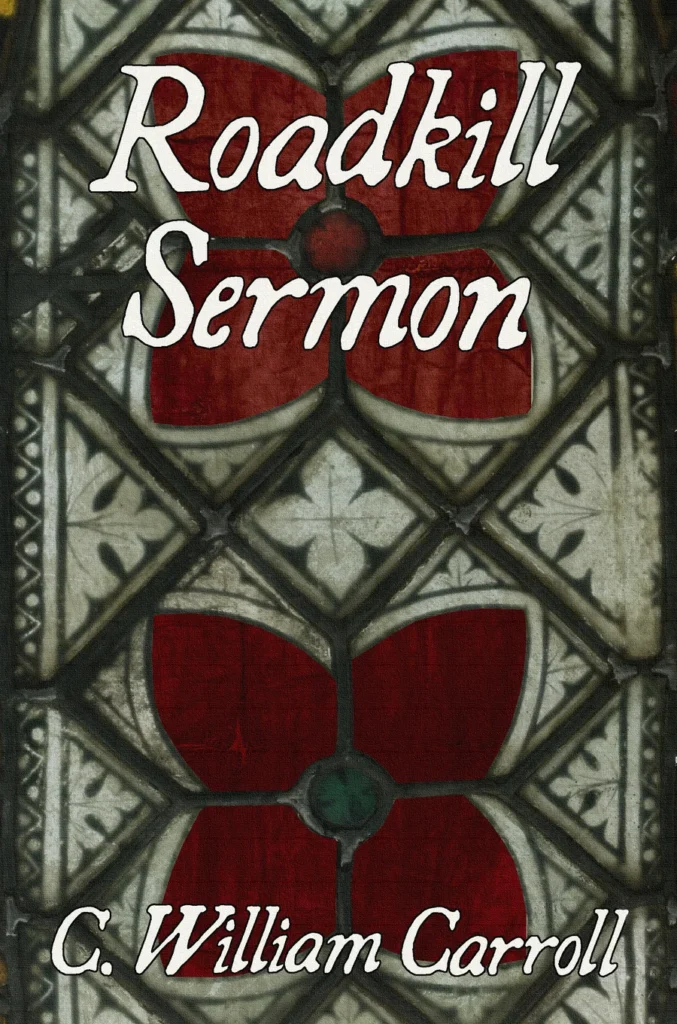
Roadkill Sermon arranges itself as a broken liturgy across five movements—Invocation, Confessions, Absolution, Sermon, and Dedication—only to refuse every promise those forms traditionally offer. There is no grace here for the obedient, no comfort for the kneeling. Instead, the collection consecrates what organized reverence leaves out: bus stations at midnight, elderflowers blooming on cracked headstones, a drunk woman’s smeared eyeliner, the grammar of a lover’s skin learned and then forgotten. The speaker does not ask for pardon but walks through ruin dragging stars like a torn wedding veil, finding sanctuary in motion, in residue, in the names of the dead that live only in how certain evenings tilt.
Ethereal, Anna J. Phillips
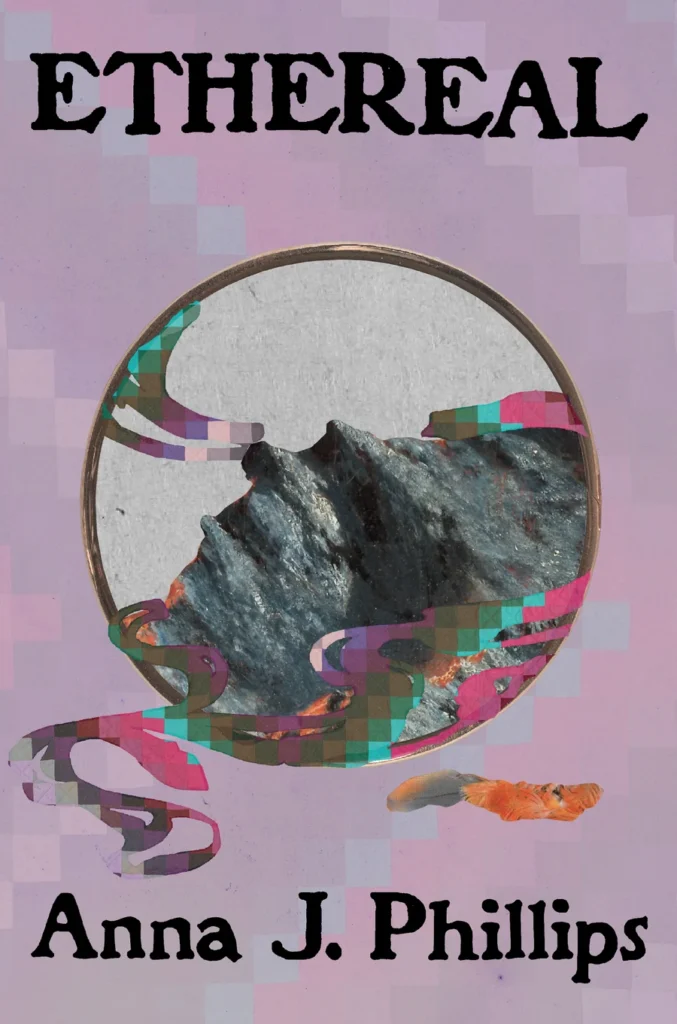
Take your fledgling journey in three acts across the pages of Ethereal. Anna Phillips weaves ecological and domestic themes into a neon tapestry.
Explore the beauty and teeth of nature and humanity through the ruins of family life (“Front Window”), dilapidated buildings (“The Albino Farm”), and silent decay (“Prey”).
Phillips takes us through a lucid dream-turned-nightmare, experienced through the lens of a helpless observer. This collection has bite!
Paper Cup, Logan McDermott-Mostowy
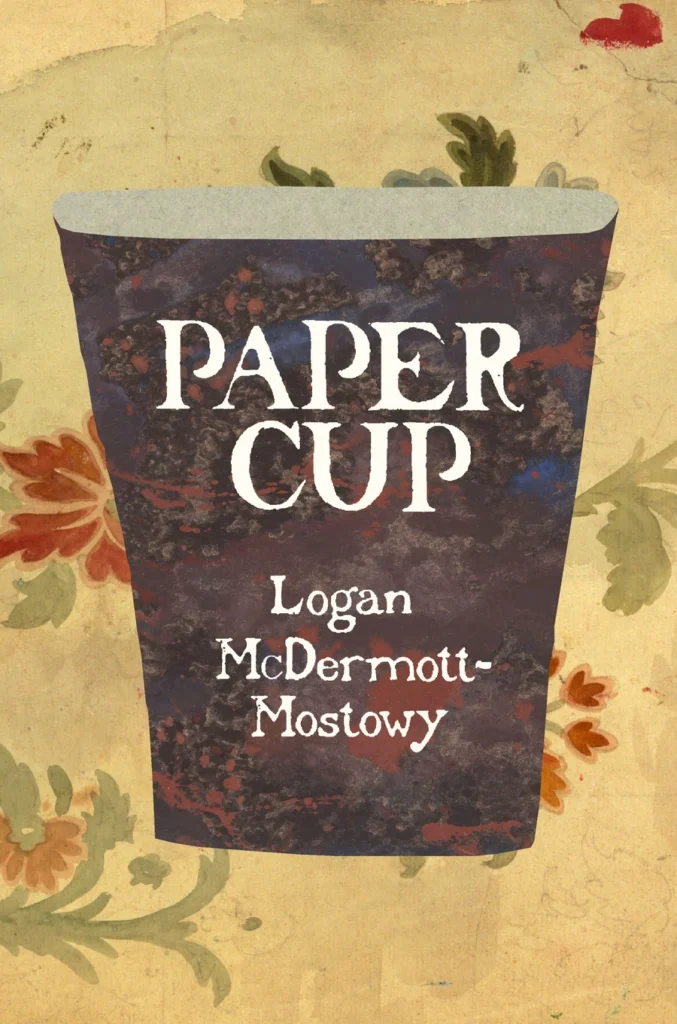
Paper Cup is a somatic poetry project that probes medical trauma through the lens of linguistic deconstruction. Braiding memory, allusion, and hallucination, these poems confine the reader to the claustrophobic sterility of a psychiatric ward. Paper Cup explores how the disarticulation of body, mind, and spirit under coercive care structures can alter a medical subject’s relationship to language.
From the Grave, Sariya Okoye
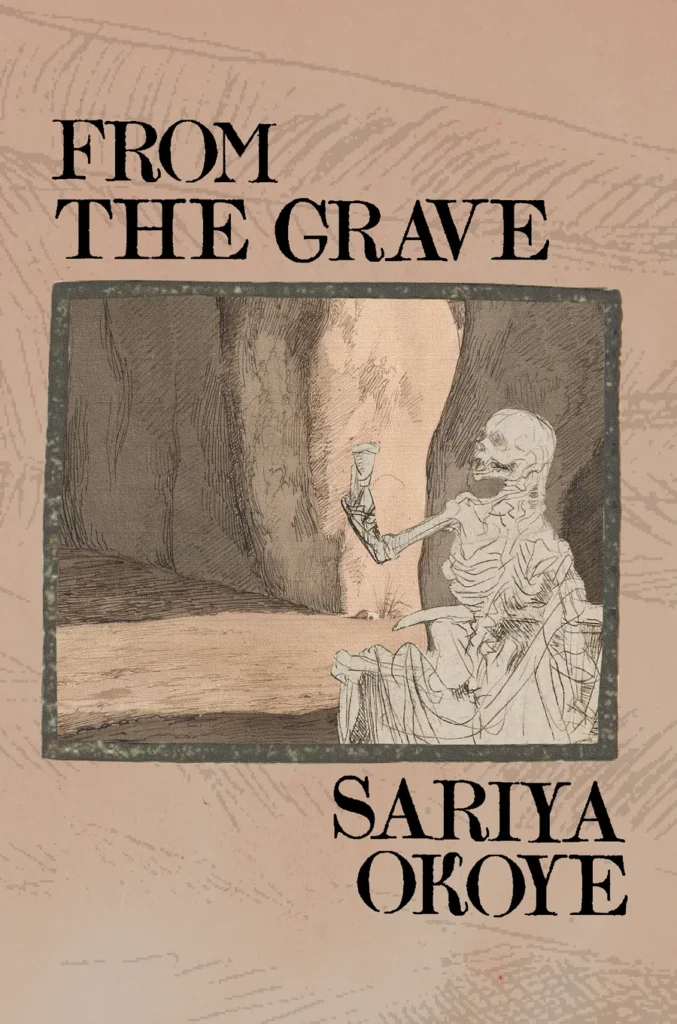
From the Grave is a collection of poems addressing the joy and pain of being human. On one hand, From the Grave is deeply personal, introspective, and highlights the author’s personal experiences, struggles, and challenges. On the other hand, From the Grave is an in-depth look at and critique of society as a whole through the lenses of everyday people. People dealing with their own unique struggles, challenges, and experience regarding the human experience in today’s world.
Suburban Gothic, Amber Ridenour Walker
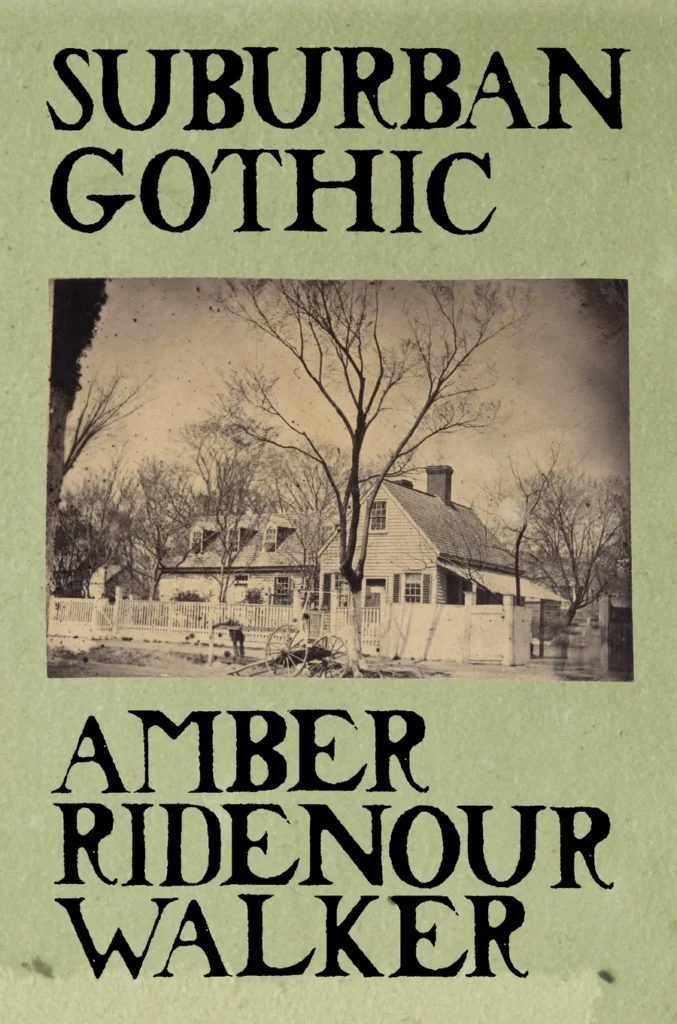
Suburban Gothic is a collection of poems that explores themes of modern-day ennui, pop culture, isolation, and darkness, within the context of ghosts, witches, myths, and legends. Ranging from musings on Celine Dion music videos to cut-ups of phrases from ghost-hunting shows to tarot cards, these poems expose the frighteningly deep shadows behind what appears to be ordinary life.
Lies I Tell My Children, Ruth Joffre
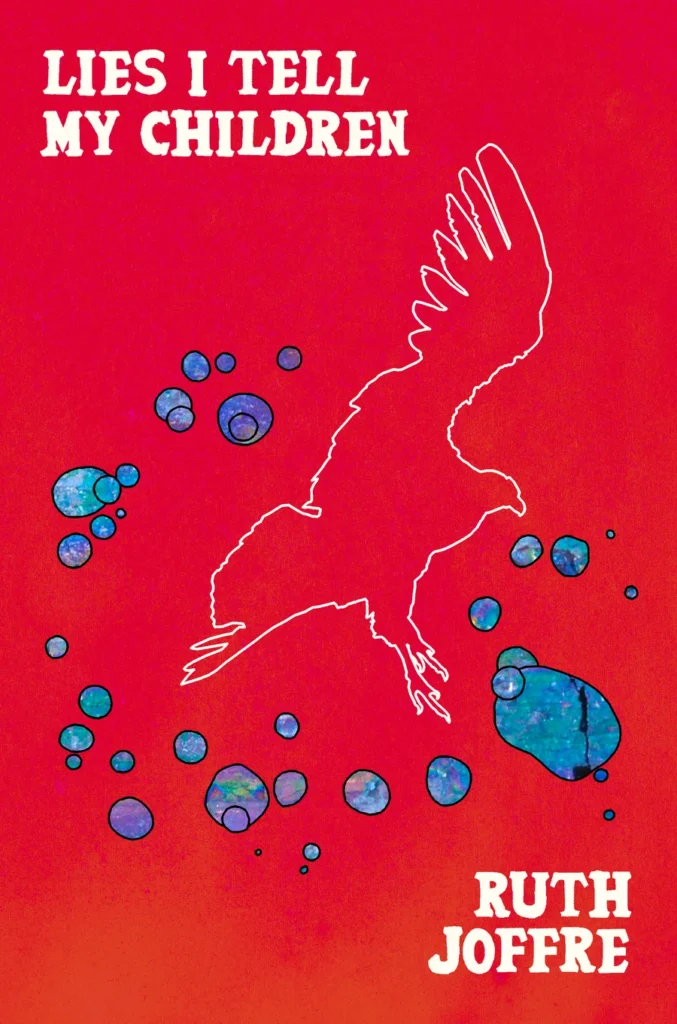
Almost a decade in the making, Lies I Tell My Children is a collection of surreal and fanciful falsehoods dreamed up by a single mom just doing her best. Originally inspired by the things parents say to get kids to do their homework or clean their rooms, this series of flash fictions expanded into an intimate portrait of one woman’s mind: her fears, her desires, and the secrets she keeps from her children
Saving Stars: Poems of Resistance from the Second trump Era, Cheryl Caesar
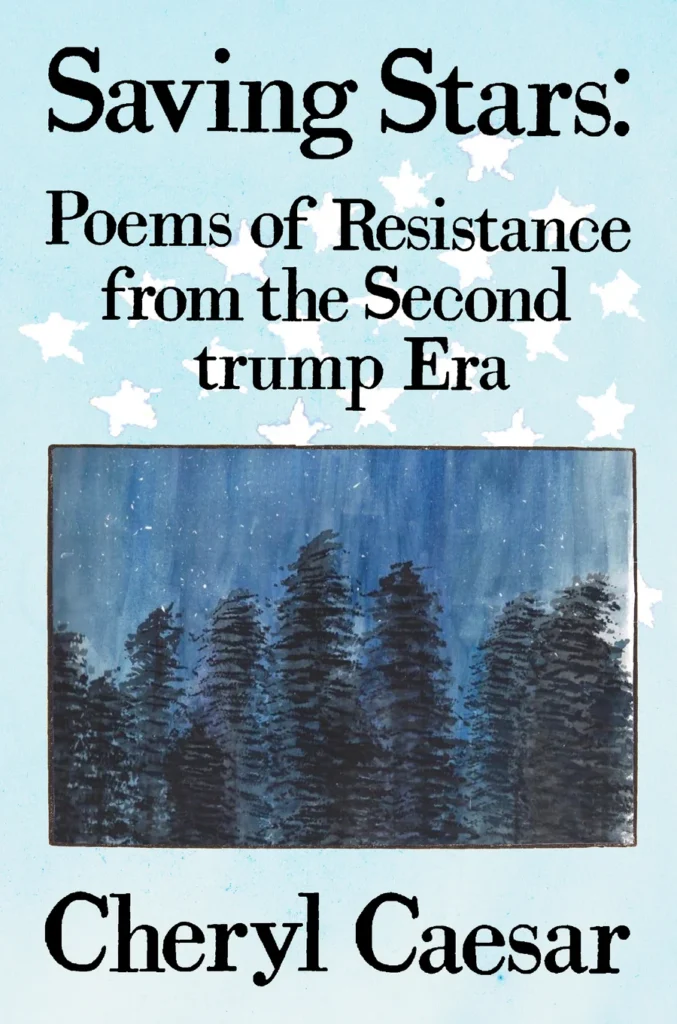
Cheryl Caesar began writing poems of resistance during the first trump era. Our collective outrage was still fresh then, and there were dozens of publications for its expression. Some of these poems were collected in Flatman in 2020 (Thurston Howl Publications).
We never expected to be back here again. We are older and wearier. But, as Heather Delaney Reese ends her blog posts, “I still have hope. And you should, too.”
above/ground press
METAL OF THE FUTURE, ryan fitzpatrick
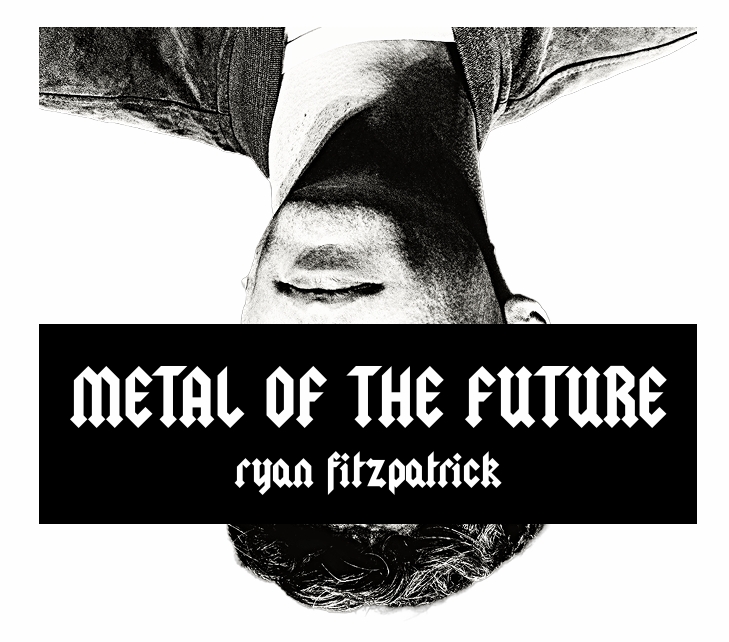
ryan fitzpatrick currently lives in Calgary, where the Bow meets the Elbow, spiritual centre of cowboy resentment.
This is fitzpatrick’s sixth above/ground press title, after STANZAS #25 (“further revisions,” July 2001), Adolesce (2005), dealingwithit.gif (2015), Dang Me (2020) and Spectral Arcs (2024). Report from the fitzpatrick Society, Vol 1. No. 1, appeared in 2023.
shore thing, J.R. Carpenter
J. R. Carpenter is a queer artist, writer, researcher, fossil hunter, PLA licensed mudlark, and Lecturer in Creative Practice in the School of English at University of Leeds, UK. The Gathering Cloud won the New Media Writing Prize 2016. An Ocean of Static was highly commended by the judges of the Forward Prizes 2018. A General History of the Air was published by above/ground in 2020. This is a Picture of Wind was listed in The Guardian’s best poetry books of 2020 and featured in the Digital Storytelling exhibition at the British Library 2023. Measures of Weather was a poetry book of the month in The Observer and a finalist for the Laurel Prize 2025. p a u s e. was published by Broken Sleep Books in 2026.
So Now, Daphne Marlatt
Vancouver writer Daphne Marlatt is a critically acclaimed poet and novelist, known for her novel, Ana Historic (1988, 2004, 2013), Vancouver Poems (1972) and Liquidities (2013). The bicultural production of her Canadian Noh play set on the West Coast, The Gull, received the 2008 international Uchimura Naoya Prize. And her long poem in prose fragments, The Given, won the 2009 Dorothy Livesay Award. In 2012 she received the George Woodcock Lifetime Achievement Award. Talonbooks issued her Collected Earlier Poems, 1968-2008, edited by Susan Holbrook, in 2017. In 2025, Chax Press, Arizona, released recent poems, Splinters & Streams.
Shanzai, Fred Wah
On Labour Day weekend in 1988 I became the Writer-in-Residence at the University of Alberta. My wife, Pauline Butling and I, had arrived in Edmonton from South Slocan in southeastern B.C. I had a sore back which prevented me from joining Pauline and our friend Pamela Banting on a hike that weekend, just before the school term started. Earlier that summer, I had been teaching with bpNichol at a workshop in Red Deer and bp had encouraged me to try my hand at the 3-day novel writing contest put on annually by Arsenal Pulp Press. While Pauline and Pamela went off hiking, I stayed home and decided to try writing a 3-day novel. I managed about 60 pages of anecdotal biotext. On Tuesday morning at school when Rudy Wiebe asked me what I’d done for the weekend I told him I had written a novel. I had never felt very comfortable writing prose (which was really the reason bp had urged me to try this contest; his novel Still had won it in 1983) and the results of my marathon writing weekend reflected this. I put that effort aside, though I pecked at it a little. A few years later my colleague and editor Aritha Van Herk helped me shape the manuscript into a book of short fiction, Diamond Grill.
Over the past twenty years the discourse generated for me by writing Diamond Grill extended into other writing. A major project for me was a collaboration titled High Muck a Muck: Playing Chinese, a multimedia project involving video, music, oral history, performance, and text.
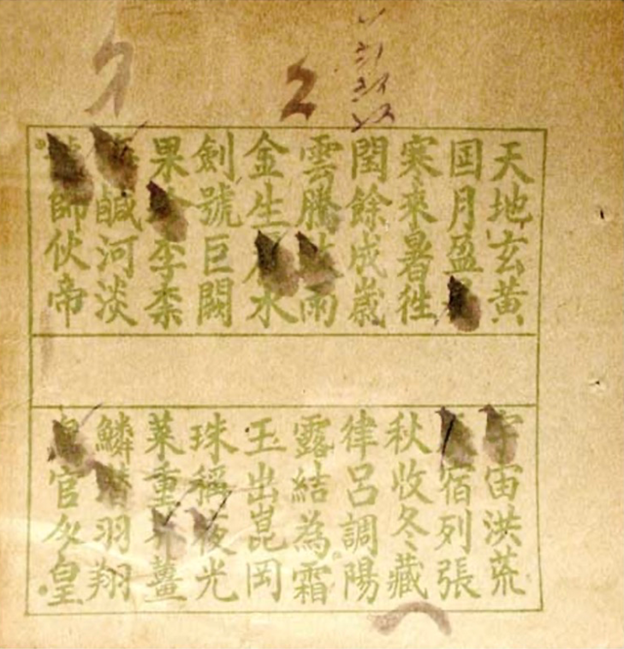
The text for this chapbook, Shanzai, is some of my writing salvaged from that project. Suitably, for this 50th Anniversary of the U of A’s Writer-in-Residence program, it was seeded during my residency of 1988-89.
Sparky and Squire, Derek Beaulieu
Dr. Derek Beaulieu is the author/editor of over twenty-five collections of poetry, prose, and criticism. His most recent book, Do It Wrong: How to be a Poet in the 21st Century, was published by Assembly Press in the Spring of 2026. Beaulieu has received the Queen Elizabeth II Platinum Jubilee Medal for his dedication to Albertan literature and CCWWP Robert Kroetsch Award for excellence in innovative pedagogy and teaching practice. He is the only graduate from the University of Calgary’s Department of English to receive the Faculty of Arts ‘Celebrated Alumni Award’ and the only graduate in creative writing to receive Roehampton University’s Chancellor’s Alumni Award. Beaulieu has served as Poet Laureate of both Calgary and Banff and is the Director of Literary Arts at Banff Centre for Arts and Creativity.
NO VIBRATO HARD TRANSCENDENCE, Jon Cone
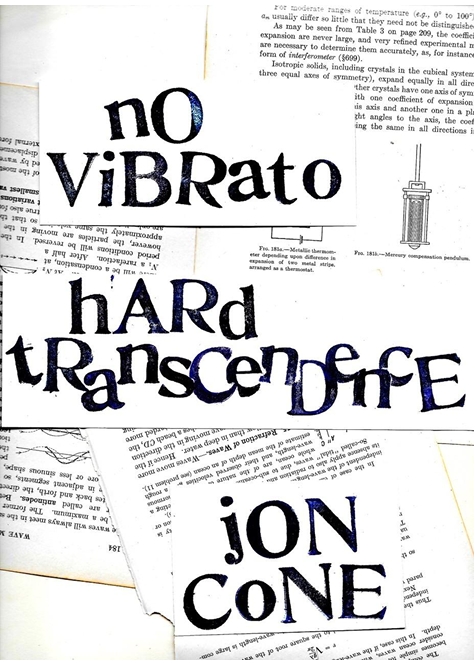
Jon Cone is a Canadian writer who lives in Iowa City. He grew up in Richmond Hill, Ontario. He saw the Three Stooges perform live at the Canadian National Exhibition. He watched George Chuvalo fight Muhammad Ali on a black-and-white tv. He saw the Toronto Maple Leafs play at Maple Leaf Gardens. He went to Seneca College in Toronto for one year before attending the University of Western Ontario in London.
I found looking, Emily Shafer
Emily Shafer is a poet and photographer. She is an incoming MFA candidate in Image Text at Cornell University, holds an MFA in Creative Writing, Poetry from Brooklyn College, and teaches first-year writing at CUNY. She is the author of it’s too early for poetry from Proper Tales Press and publications in poets.org, The Brooklyn Review, periodicities, and more. Born and raised in Rochester, N.Y., she lives and works in New York City.
This Guy Gets It, David Currie & IAN MARTIN

David Currie is not IAN MARTIN. He is a different writer with whom IAN MARTIN is collaborating. David’s work has appeared in various places – he wishes he could be more specific, but he forgot to write them down, and has been collected into six chapbooks. He is the author of no-book-books, so what are we even doing here?
IAN MARTIN is large and barely in charge. Their work has appeared recently in periodicities, BAD DOG Mag, Discordia Review, and Sumac Literary Magazine. IAN has published six chapbooks, most recently EVERYONE IS MY ENEMY (2022). When not writing, IAN makes small video games and complains.
avoice be heard, Jérôme Melançon
Jérôme Melançon writes and teaches and writes and lives in oskana kâ-asastêki / Regina, SK. His fourth collection, Prairial·es, is now out with Prise de parole. Let us not forget his three chapbooks with above/ground press: Bridges Under the Water (2023), Tomorrow’s Going to Be Bright (2022), and Coup (2020), his occasional translations, and his book of philosophy, La politique dans l’adversité (Metispresses, 2018). He has also edited books and journal issues, and keeps publishing academic articles that sometimes have to do with some of this.
THE EMPEROR OF JAPAN: prose poems, Dag T. Straumsvåg

Dag T. Straumsvåg lives in Trondheim, Norway, and is the author and translator of eleven books of poetry, including But in the Stillness (Apt. 9 Press, 2024), Tom Hennen: Finn eit stille regn (Find a Quiet Rain, translations, A + D Trondheim | Minneapolis, 2024), A Further Introduction to Bingo w/Jason Heroux (above/ground press, 2024) and The Mountains of Kong: New & Selected Prose Poems (Assembly Press, 2025). He co-founded and ran the micro press A + D Trondheim | Minneapolis with Angella Kassube, who died in December 2025 and whom this book is for. The press will continue, with creative director and designer Beth Elliott, Angella’s long-time friend, doing the cover art and design. His work has appeared in a wide variety of journals in Norway, Canada and the United States.
Pillars of Sand, Mrityunjay Mohan
Mrityunjay Mohan’s work has been published or is forthcoming in Michigan Quarterly Review, Denver Quarterly, Poetry Northwest, The Indianapolis Review, Hayden’s Ferry Review, and Fourteen Hills. He’s a Tin House scholar, Lambda Literary fellow, and a Brooklyn Poets fellow. He was a recipient of the Nella Larsen Memorial Scholarship for the Mendocino Coast Writers’ Conference. He’s an editor for ANMLY magazine, and a reader for Split/Lip Press, Harvard Review, and The Masters Review.
TRAVELLER, Ken Norris
Ken Norris was born in New York City in 1951. He came to Canada in the early 1970s, to escape Nixon-era America and to pursue his graduate education. He completed an MA at Concordia University and a PhD in Canadian Literature at McGill University. He became a Canadian citizen in 1985. Norris is Professor Emeritus at the University of Maine, where he taught Canadian Literature and Creative Writing for thirty-three years. He currently resides in Toronto.
Shooky Session 1: John Ashbery, As We Know 5 December 2022, Jason’s office, Jason Camlot & Stuart Ross
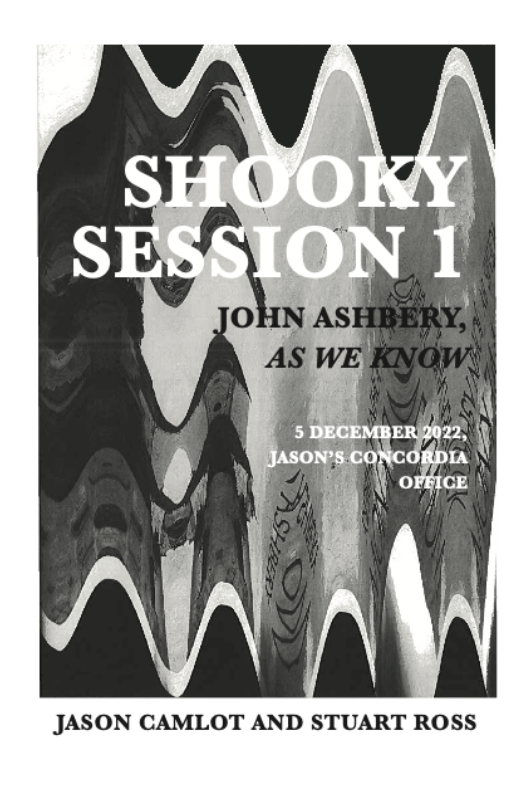
December 6, 2022. Stuart Ross has driven from Cobourg, Ontario, to visit Jason Camlot in Montreal. They have a lot to catch up on, so they go to the university library to select a book. In the PS 3000s they find the books of John Ashbery, whose work is usefully rich in diction and vocabulary, and appropriately incomprehensible. They decide to go with As We Know. In Jason’s departmental office they sit and alternate between reading to each other from As We Know and writing while listening to the other read. They have each used listening as a method of writing poetry for years, but until now they had never before collaborated on listening poetry into existence together.
Listening poetry is a creative audile technique, a method that works to transform a particular way of listening to something—usually an already published literary text (but it can be anything, really)—into poems. The poems, in this case, were composed in two notebooks with Shooky, the popular KPop character from BT21, on the covers. (In the BT21 universe, Shooky is a mischievous little cookie who loves to pull pranks on his friends.) One of the Shooky books was large and one was small. For each session of listening poetry, Jason and Stuart would read to each other and write poems in one notebook, then do the same in the other notebook. The size of the book informed the size and nature of the poems that were listened into existence. They borrowed as much or as little as they chose from the source texts.
This chapbook presents the poems written during the first of seven listening poetry sessions that Stuart and Jason held between December 5, 2022, and December 18, 2024. It is “Shooky Session 1: John Ashbery, As We Know, 5 December 2022, Jason’s Office” from the larger manuscript THE SHOOKY SESSIONS (A Litany).
Look Out, Yellow Umbrella, Jason Heroux
Jason Heroux resides in Kingston, Ontario, works at ServiceOntario and lives with his wife Soheir and their two cats, Pablo and Neruda. He is the author of five books of poetry: Memoirs of an Alias (2004), Emergency Hallelujah (2008), Natural Capital (2012), Hard Work Cheering Up Sad Machines (2016), and Like a Trophy from the Sun (2024), which was listed on CBC’s list of “44 Canadian poetry collections to watch for in fall 2024.” His short story collection Survivors of the Hive (2023) was also listed among the best books of the year by The Miramichi Reader and 49th Shelf. A new collection of poems, Unfinished Wilderness (A Feed Dog Book, Anvil Press), is forthcoming in Fall 2026. He was the third Poet Laureate for the City of Kingston, Ontario, from 2019 to 2022.
Finishing Line Press
Tales of Ig, Tamara Barnett-Herrin
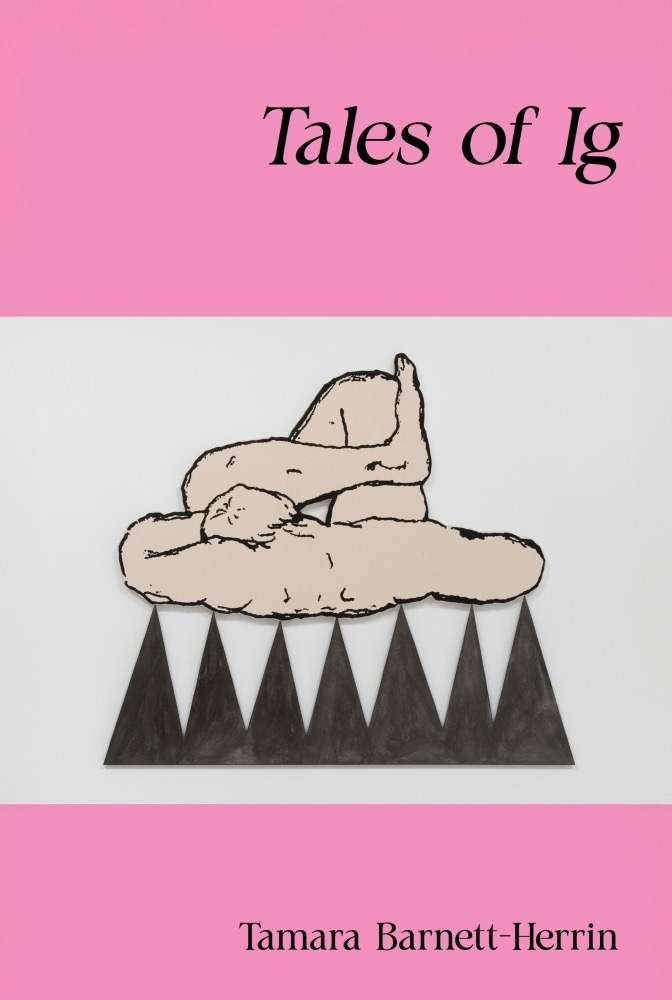
Tales of Ig is a collection of poems about—and partially by—an entity named Ig, who asks, alongside a guarded poetic speaker, what it takes to stand on solid ground within an unstable subjectivity. These are dialogues, soliloquies and bargainings where other creatures also emerge: Grandmothers; Snakes; movie directors; foxes; mice, and talking pens. Ig is first met on the staging ground of altered consciousness, only to affirm herself as having been intimately present, all along. Possessing and infiltrating a broken pantoum or a lyric poem, Ig insists on her claim: to be heard, despite the deafening estrangement between speaker and subject.
How Way Leads on to Way, Linda Dini Jenkins
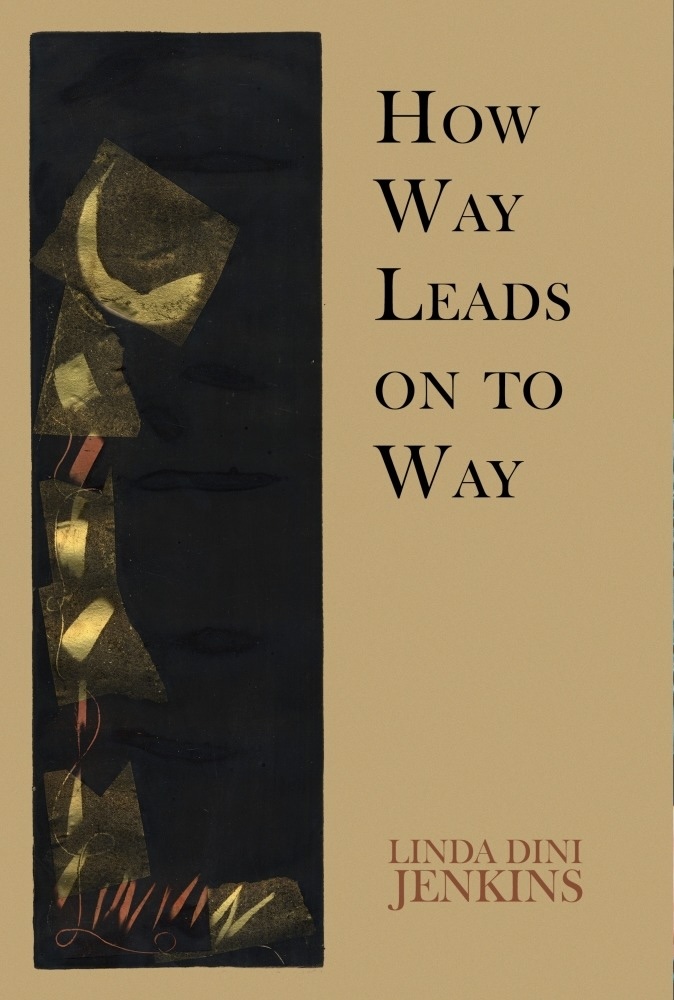
How Way Leads on to Way is a small book of poems about place that explores what it means to be lost and found and how we can be serial survivors in new places. Embracing large American cities and rural Italian landscapes, this is a kind of cautious love song about adaptation, regret, desire, and the continuous search to find one’s way in the world, both geographically and emotionally. How Way Leads on to Way shares the experiences of one New Yorker, blending humor, nostalgia, and travelogue in an unforgettable way.
Sanctuary at Unity Farm, Sherri Stepakoff
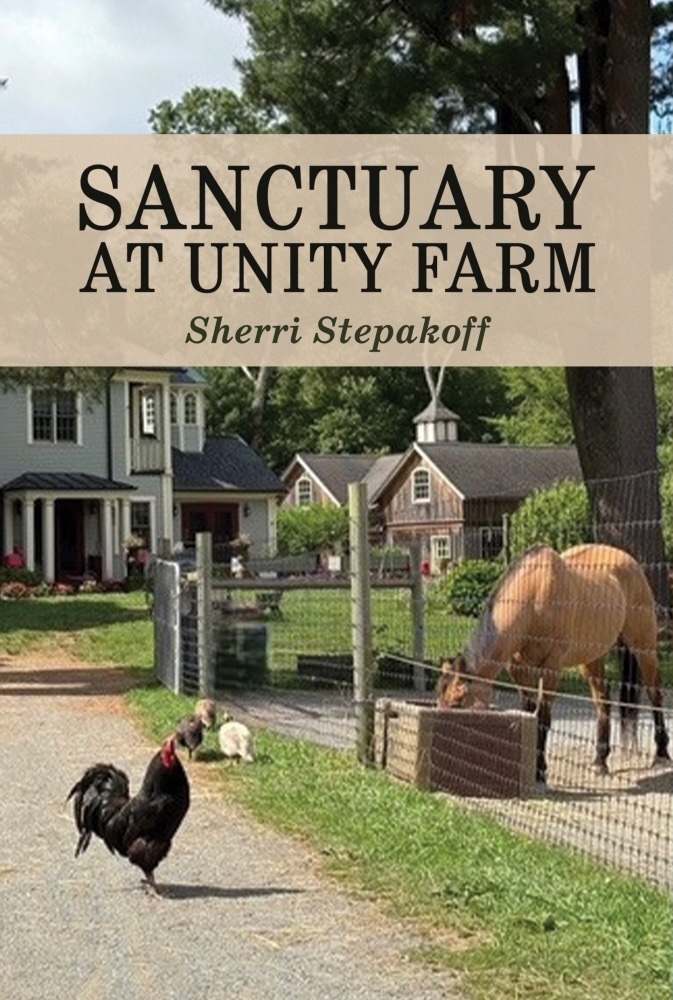
Sanctuary at Unity Farm transports us to the intimate world of a small New England animal rescue farm to experience the peace and connection the poet finds while visiting with and writing about the beings she encounters there as the Sanctuary’s poet in residence. Throughout, in poems of grace and humor, she explores the interplay of memory, imagination and desire to give, as she says, “voice to the hope of shade” and a glimpse of who we might become as we seek safety and relief for the animals and for ourselves.
The Language of Two, Jean Flanagan
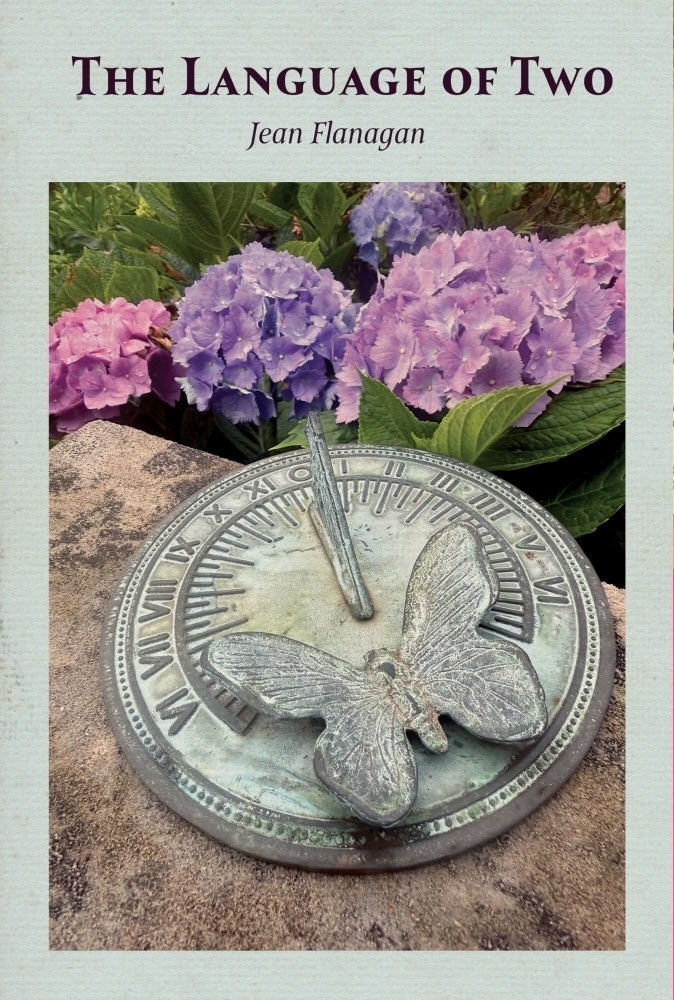
The Language of Two – The language of love can be broad to the deeply intimate. The poems in this book focus on some of the love language of Kathleen Scott — from waiting for her husband to come home from Antarctica to being in a gas station on Christmas Eve hoping for a free tree. The love between two people can be about the mundane but also extend to the beyond. Love never dies even though it can have many transformations — from the heart wrenching to the magical. Love also entails the language of loss — the suffering that we struggle to understand and to cope with in our lives — the grief that we share with others and hold in our bodies. These poems explore some of the ways love reveals itself in specific life changing experiences. They teach us how we can move forward to heal our losses but also sing new love songs.
Least Said, James Broschart
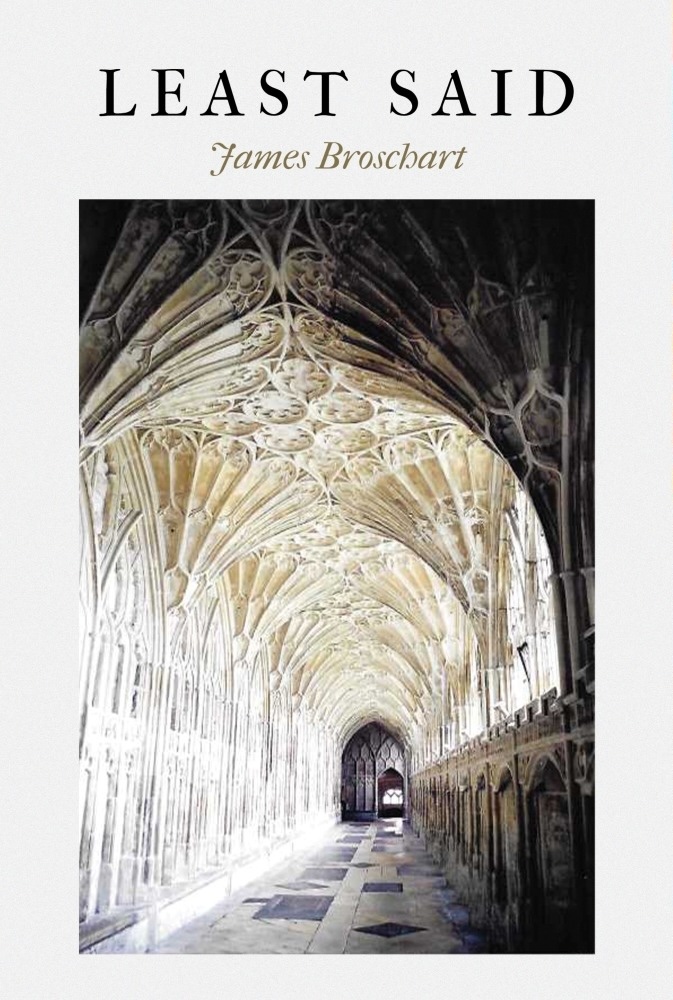
In Least Said poet James Broschart takes a hard look at his aging self and a soft look at how he got there. A child of the Depression and World War II, now almost through his eighth decade, he is respectful of his past and wary of the future. Through glimpses of the milestones he has encountered he offers a fond and sensitive map of his journey over nearly a century toward the horizon all of us will face.
The Dreamed-Of Other, Morrel H. Cohen
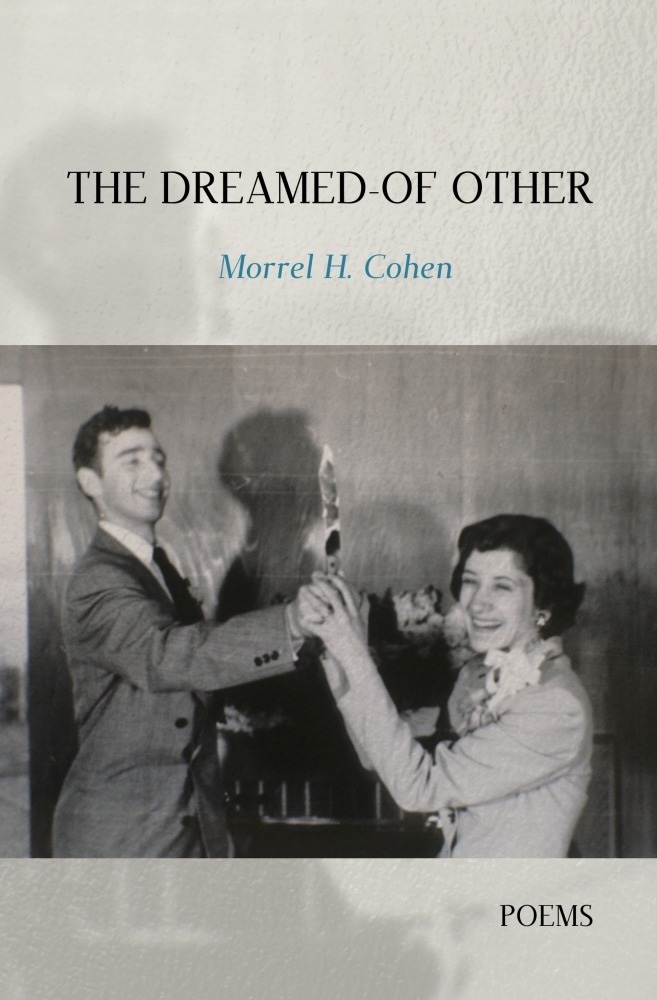
The Dreamed-Of Other tells the story of a seventy-five-year love affair and marriage—and what came after. In poems of varied styles and voices, physicist-turned-poet Morrel Cohen explores his love for Sylvia, his wife who died in spring 2024. Poems home in on highlights of their long relationship—their meeting as students, the small and joyous wedding, their travels with their children, Sylvia’s decline and death—and Morrel’s journey through grief. From their meeting as students working a crossword together to the poet’s creating a new life warmed by her memory, these poems explore life with and after the dreamed-of other.
If, Donna French McArdle
People emerge from their pasts and their myths, and objects seem to shift. In these poems, versions of self, of others, and of landscape alter continuously, becoming their next iteration. Written to honor transformation and welcome the unfamiliar, they trace daily life through both quiet memory and stories told and retold.
Neighborhood Watch, Ruth McArthur
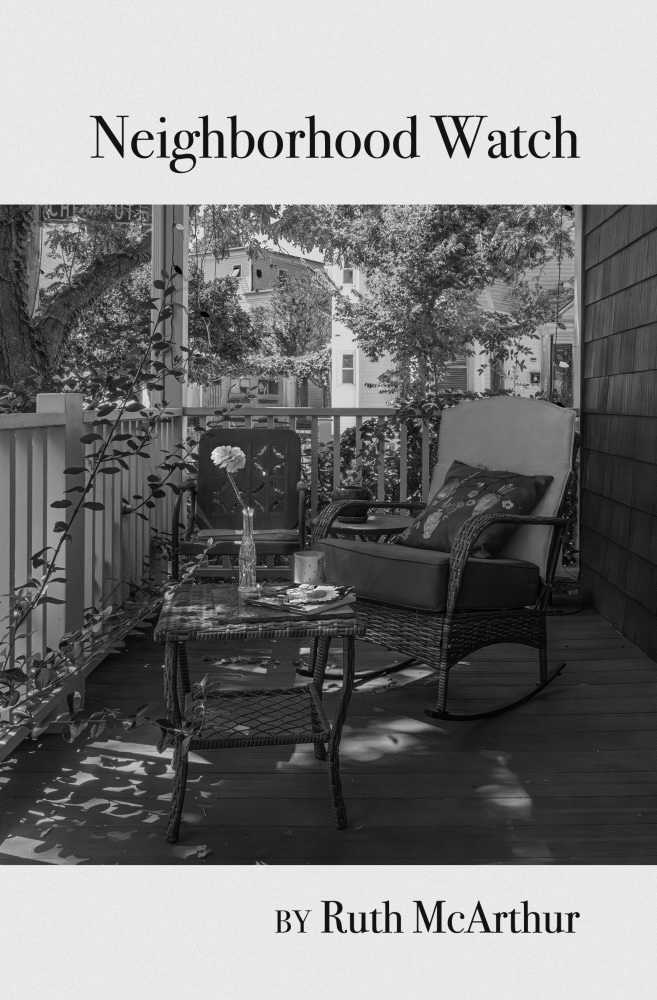
Neighborhood Watch serves as a vivid witness to the magic hidden within the motion of everyday life. Navigating an urban landscape where domestic rituals meet the wildness of the outdoors, these poems find revelation in the small and the singular—from the curiosity of grandsons discovering the natural world to the quiet dignity of aging pets and the neighbors who inhabit our shared streets. The collection honors the full spectrum of the human experience, treating trips to the bodega and neighborhood encounters with the same reverence as the shifts of the seasons.
By documenting these deep textures of daily existence, Neighborhood Watch challenges the reader to find stillness in the motion of modern life and to honor the beauty inherent in every season of existence.
The Art of Strangeness, Mehnaz Sahibzada
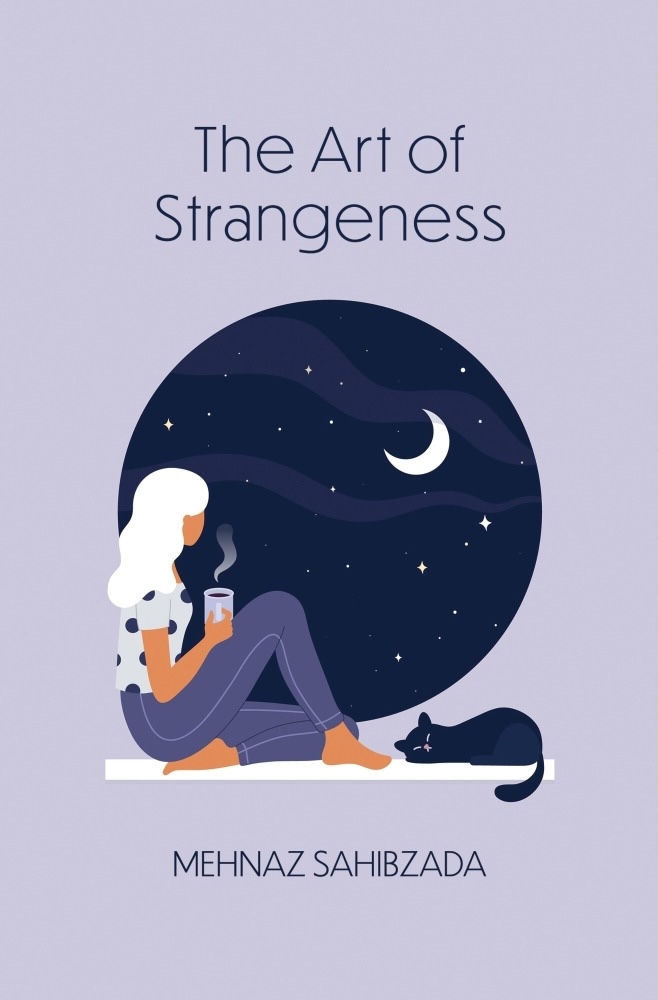
The Art of Strangeness by Mehnaz Sahibzada is a playful exploration of shifting settings and realities. The poems drift from Lahore to Los Angeles, and from Tucson to Taif. What surfaces is a longing for the past as well as the inevitability of present alienation. Faith and beauty appear here in the contradictory spaces, where scorpions are juxtaposed with roses. The poems in the collection are also contradictory in form: villanelles and ghazals appear alongside free verse and narrative poems. The stanzas conjure luxury handbags and kitchen counters, gray hair and vampires as well as the surreal experience of aging. How does a woman inhabit her own skin when the house of body keeps shifting? These poems pose questions like this, where the strange is not a departure from the real but the very essence of it.
Ghost Skin, Diane Bliss
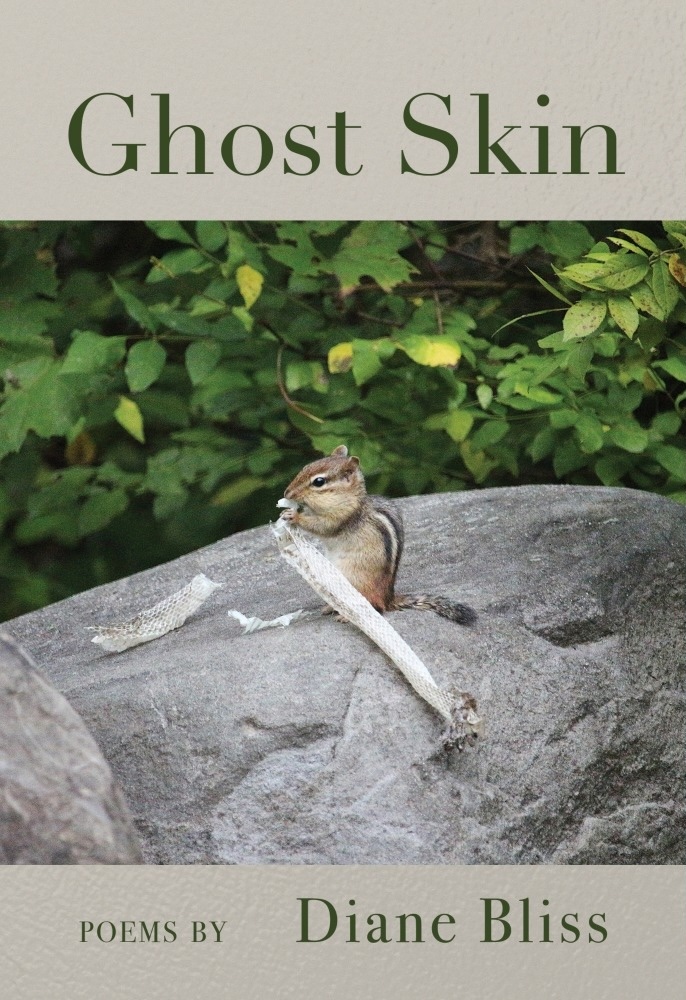
In Ghost Skin, the poet, as a birder observing ubiquitous crows, a struggling sandpiper, or a caracara far north of its southern home, gives readers a glimpse of the bird world as well as of the intriguing character of birders themselves. She comes at nature with an innate curiosity, whether appreciating a chipmunk’s survival trick with a shed snake skin, recalling a child artist’s simple question about the color of rain, or speculating about a porcupine’s longings in the face of winter and predators. Immersing the reader in her observations and experiences within the setting of nature, she reveals our complicated relationship with the natural world and each other.
Crescent, Su Zi
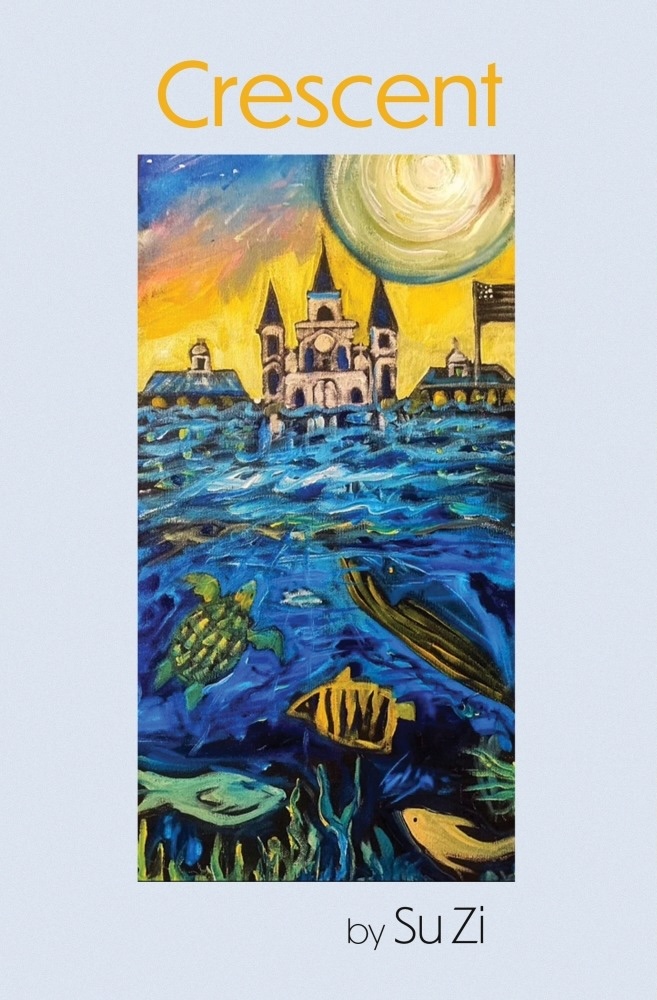
These are poems about pre-Katrina New Orleans. They are specific to that beautiful city, and were written while in residence some years before the storm. Many of the poems were presented at local readings, or individually published.
What Makes Us Purple, Michael Hill
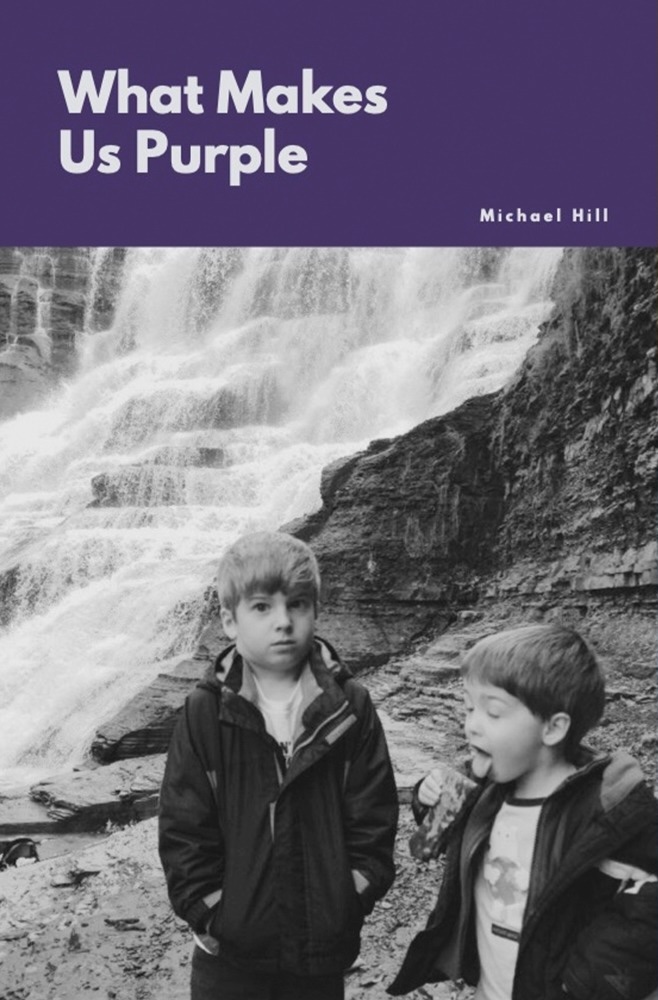
What Makes Us Purple is a book about noise, boys, dads, daughters, and dogs. In poems about Fruit Loops, algebra problems, wrestling, and Mary Oliver, it finds the poetic in the domestic. With clear lines about moments in everyday life, these narrative poems explore raising kids, personal loss, neurodivergence, and masculinity at the dining room table. Throughout this book, the deeply personal becomes significantly universal as the reader is invited to enter a home and hear its music.
The Conjurer Keeps House, Mary Redman
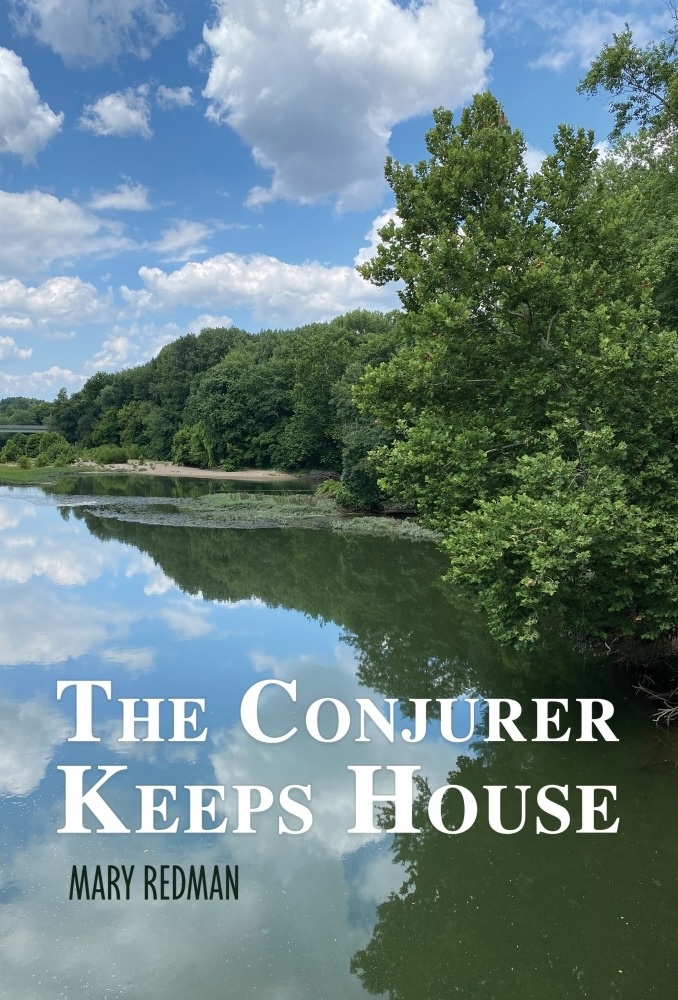
In The Conjurer Keeps House, Mary Redman invites the reader into the mind of an aging woman to explore life’s joys, sorrows, and discoveries. Her poems display a love of the natural world and immersion in it for the sake of physical and mental health, as well as poetic inspiration. One message of this book is that a mindful attitude toward the present and critical reflection on the past can lead to acceptance and the knowledge that each of us is part of something more significant than any individual life could embody.
The Higher Call, LuLu Johnson
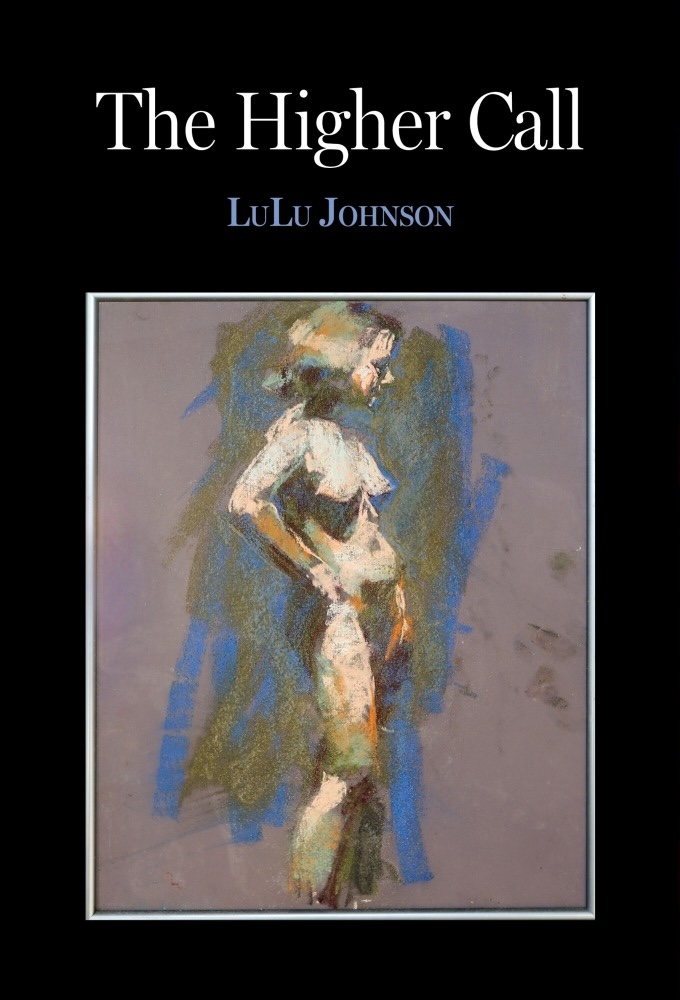
Part primer on how to model for artists and part art historical imagining, The Higher Call offers an intimate glimpse inside the private world of the art studio. LuLu Johnson uses her degree in art history and her personal experience to give voice to Picasso’s muses and reflect on work as a life model. These fifteen interwoven poems let models step out of the frame to speak of their longing, betrayal, and desire to be seen. The collection explores what it means to give one’s life over to art and asks what price women pay to become immortal. Funny and fearless, lyrical and unflinching, The Higher Call brings art and history to life with musical sensuality.
squinting in the dark: poems of attachment, J. A. Harnett-Hargrove
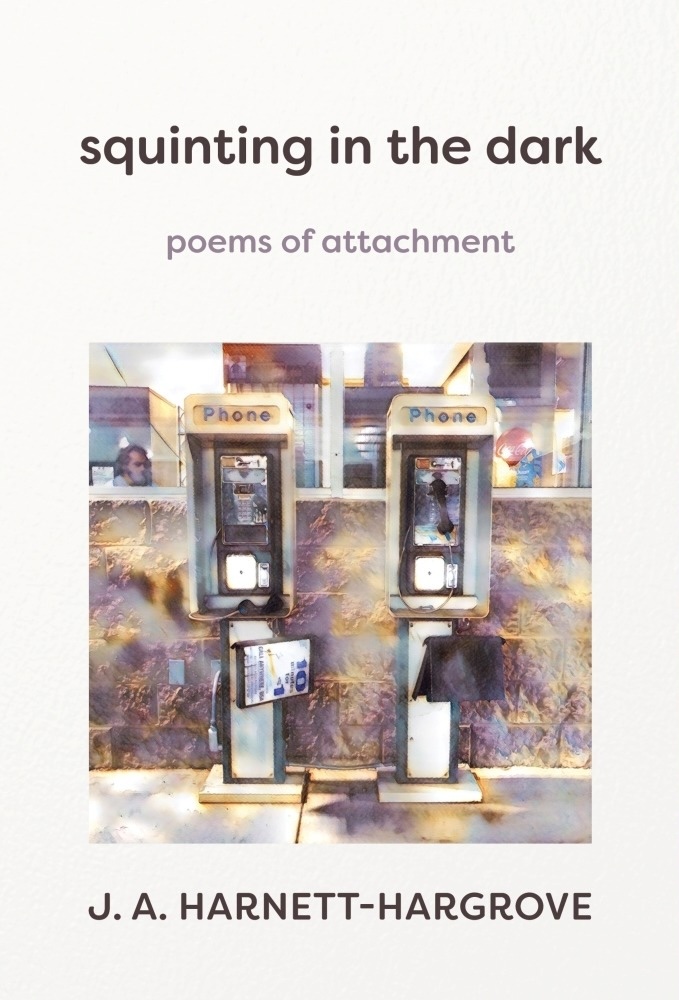
squinting in the dark: poems of attachment delves into the intricacies of the human condition and the ephemeral nature of memory. It captures the fleeting memories that shape our lives, the subtle gestures, fragments of conversation, and the quiet residue of time passing. This collection invites readers into thoughtful dialog to reflect on the fragility of our personal histories, the parts overlooked and often lost in time, that define who we are.
Black Plastic Blues, Martin Jago
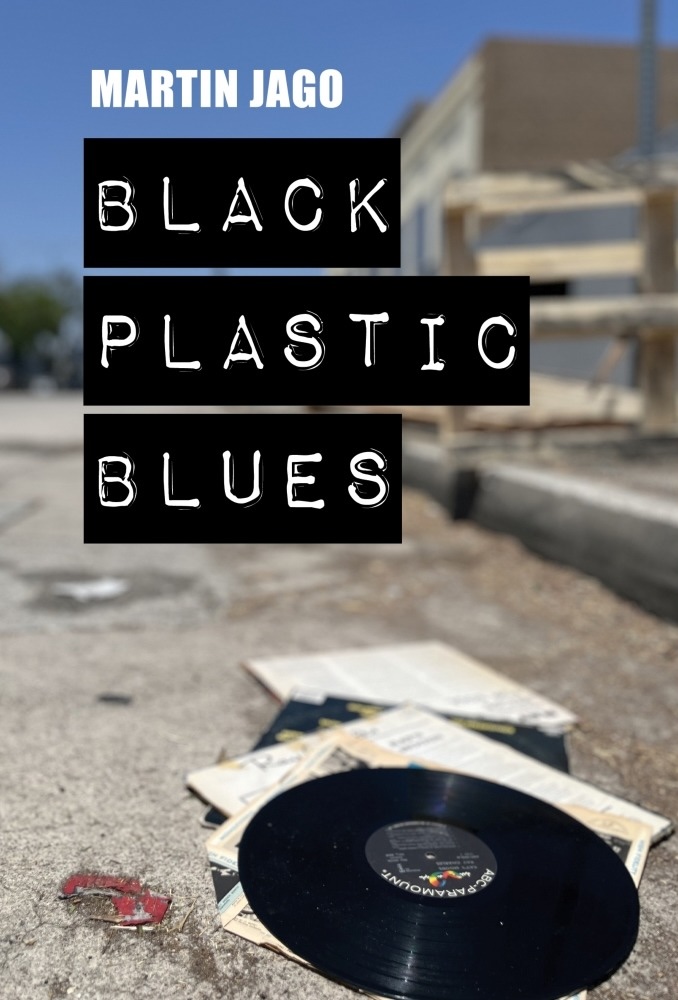
Black Plastic Blues is a poetry chapbook whose poems spin their music round a central motif of record players and old-school vinyl records. Here are songs played in a range of thematic keys: adolescence and coming of age, love, loss, and through the simple act of putting a record on, music’s transformative powers of renewal and hope.
A New Type of Breakfast, Elizabeth Mateer
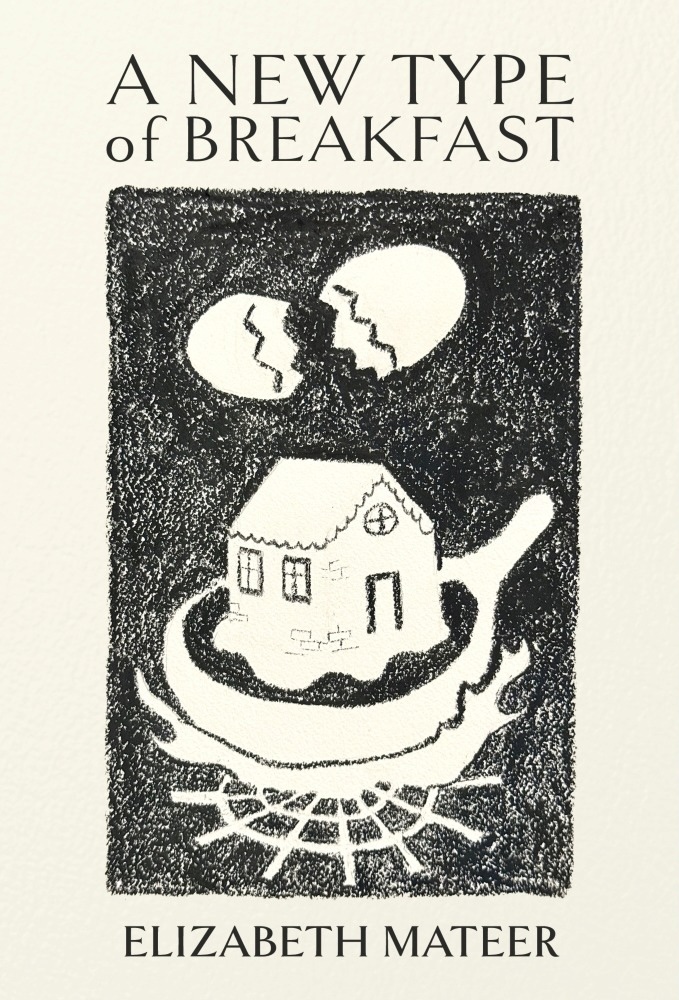
A New Type of Breakfast traces the long aftermath of early hurt and the ways neglect, loss, and silence shape us long after the original damage has passed. The title poem marks a breaking point: the dissolution of hope, followed by the quiet possibility of a new beginning. From this undoing emerges a sharper moral clarity. The poems confront hypocrisy in institutions, in relationships, and in the stories we tell ourselves. Yet growth is not linear. Even with insight, we lapse. Longing persists. The tension between knowing better and still feeling deeply runs through the middle of the collection, where nostalgia, grief, and unresolved attachment surface without apology. Gradually, space opens. The poems begin to imagine trust again, not as certainty, but as risk. An encounter reshapes the understanding of what goodness, safety, and intimacy can look like. This moment becomes a turning point, expanding what feels possible. What follows is a season of intensity and release: desire, fantasy, disillusionment, and letting go. As the external world shifts, so does the inner one. Creativity returns. Ancestry and memory surface. Childhood wonder reappears, not as regression, but as reconnection. The collection closes with a sense of arrival. Not a tidy resolution, but a steadier ground: coming home to oneself with more solidity, more compassion, and more truth than before.
Ruminatons, Judy Bebelaar
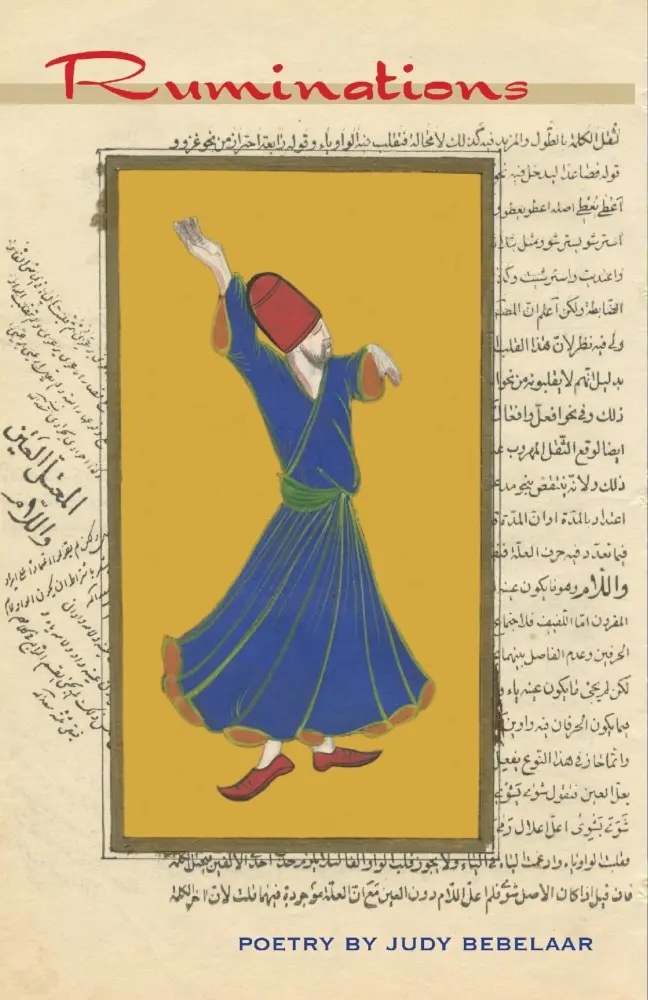
Ruminations was inspired by the thirteenth century poet, scholar, and Sufi mystic, Rumi, who wrote in his native tongue, Persian. I am grateful to Coleman Barks for his sensitive and insightful translations of Rumi’s poetry as well as for his stories about Rumi’s life. Each of my poems is inspired by a line or a thought from one of Rumi’s. Poet Katharine Harer says of the book:
Erosion, Elizabeth Lowney
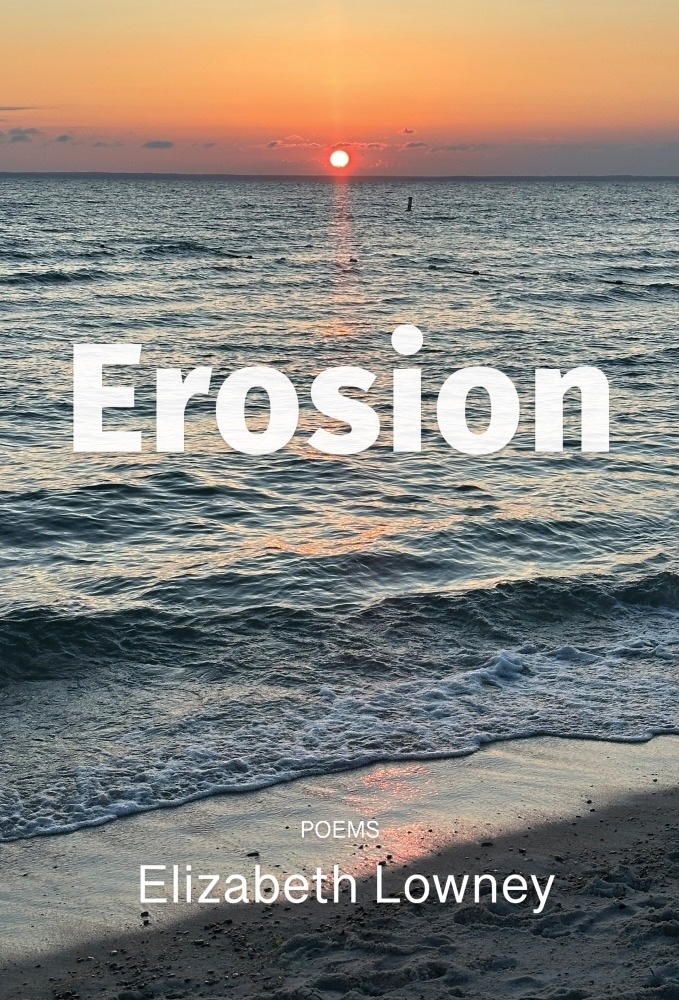
Erosion illuminates a year in the life of a 21st Century youth from the beaches of Cape Cod to the hectic hallways of High School. Throughout her collection, Lowney ponders questions surrounding adolescence and how shifts in the vast world eroded her own small town New England life. Each poem explores different aspects of the human experience.
Don’t see a poetry chapbook published between 7/1 and 7/31 here? Contact us to let us know!
Contents
“This language offers one possible framing through which to appreciate the law’s capacity to hope for, request, and even command commitment to a more just future.” Read two poems by Maggie Wang, our first biweekly poet of the Summer 2026 issue, along with a few words about “Possibilities for Action.”
Chapbook Poem: I’ll Never Look This Good Again by Douglas Piccinnini
“[The poem] came out of real pressure: despair, worry, and grief I wanted to hold unflinchingly, alongside the anxiety of becoming a parent… For me the poem became a meditation on all the feeling that surfaces precisely when we’re told to feel only joy.” Read an excerpt from Douglas Piccinnini’s chapbook, House of Bad Memories, along with a few words from the poet.
“She sees herself in carbon, the element that bonds with almost anything- not because it wants to, but because it has empty spaces and things keep showing up to fill them. Notifications. Noise. Needs that never stop arriving.” Read four poems by Joely Williams, our second biweekly poet of the Summer 2026 issue, along with a few words about “Single Mother Considers the Periodic Table.”
ADHD in a Non-ADHD World: on Undersight by Alison Hurwitz
“[Hurwitz] shares moments of angst and moments of awe. More than that, there are moments of deep recognition. She sees herself in [her sons] and, in fact, receives a later-life ADHD diagnosis of her own.” Read the full chapbook review by new contributor, Nancy Murphy.
“The woman’s head & hair are lavishly dressed. I probably leapt off the logic of the hairdresser being blind and therefore had to work on the head/body/mind rather than just hair as a surface issue of presentation.” Read two poems by Irene Cunningham, our third biweekly poet of the Summer 2026 issue, along with a few words about “The Blind Hairdresser.”
Flash Fiction: Nova by Kimmy Chang
“‘Nova’ is a lyrical second-person story about the narrator’s first true encounter with death…the story presents loss not as beautiful in itself, but as the place where beauty begins.” Read the first original fiction piece of the Summer 2026 issue, “Nova” by Kimmy Chang.
“To fit the nuanced, dimensional experience of dysphoria and transition into narrative…often feels flattening, falsely assured. I wanted to look at this discomfort I felt, to see what was necessary in it.” Read three poems by Joshua Zeitler, our fourth biweekly poet of the Summer 2026 issue, along with a few words about “Cobbling.”
Excerpt: “On the puzzle still inside my head” by Truong Tran
“I am trying to excavate memories. I am trying to negotiate the difficult realities of existing as a brown man in this country and within the consciousness of white America.” Read an excerpt from Truong Tran’s forthcoming book from City Lights, How to Exi(s)t: A Poet’s Memoir.
“These poems try to make sense of how I arrived at a life that probably seems well thought-out, but has been one reactionary choice after another.” Read three poems by A.R. Dugan, our fifth biweekly poet of the Summer 2026 issue, along with a few words about “Sleeptalking.”